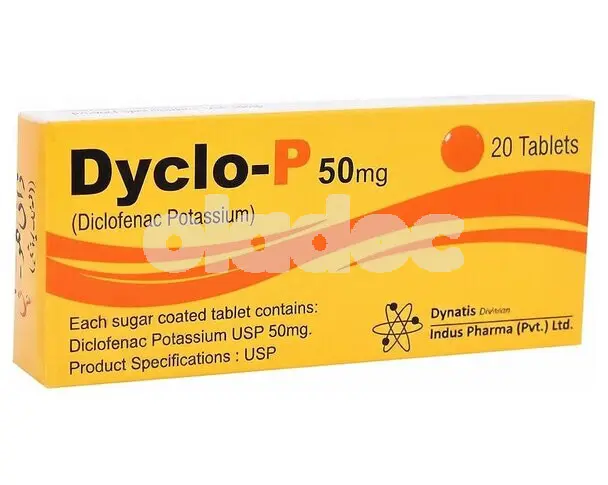
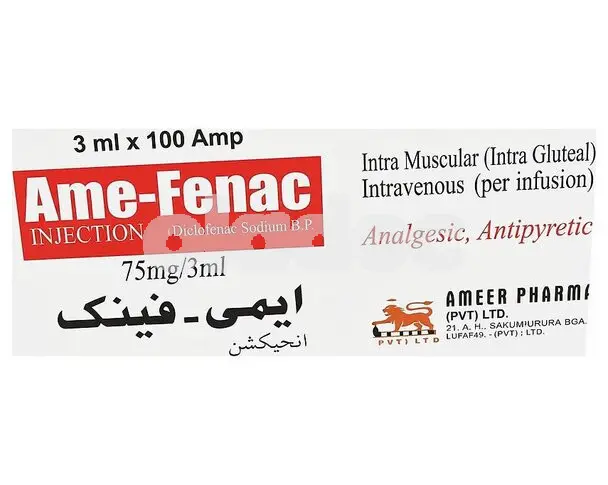
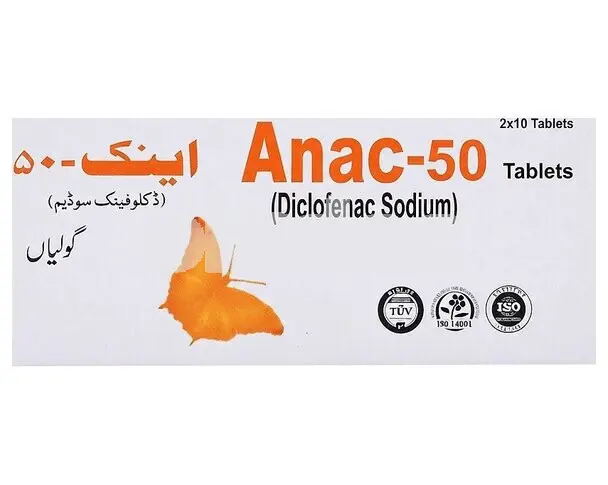
About Diklonat P Tablet 50mg
A tablet that eases pain, swelling, and stiffness from arthritis, muscle injuries, and joint conditions.
Diklonat P Tablet Uses
- Osteoarthritis and rheumatoid arthritis related joint pain and stiffness
- Ankylosing spondylitis and other inflammatory joint conditions
- Acute muscle, ligament, and soft tissue injuries such as sprains and strains
- Painful periods (dysmenorrhea) and post operative or post injury pain
Diklonat P Tablet Benefits
- Combined pain relief and reduction of the underlying inflammation causing it
- A gastro resistant coating that is designed to release the medicine past the stomach
- Support for restoring movement and daily function in joint and muscle conditions
- A widely used option in orthopedic and rheumatology care
What Experts Say
Diclofenac sodium belongs to the NSAID family, a group of medicines that block the enzymes responsible for producing pain and inflammation signals in the body. Rheumatologists often choose it for its strong anti inflammatory effect in joint disease, and its gastro resistant coating is designed to reduce direct stomach irritation from the tablet itself.
Clinical guidance is clear that NSAIDs, including diclofenac, carry a higher chance of heart attack or stroke with long term or high dose use. Doctors generally recommend the lowest effective dose for the shortest time needed to control symptoms, and closer monitoring is advised for anyone with existing heart or blood vessel disease.
Gastroenterologists point out that stomach ulcers and bleeding can develop without any warning signs while on this class of drug. Regular medical review is advised for anyone using diclofenac for more than a few weeks, particularly older adults, and kidney function is often checked as well since NSAIDs can affect it over time.
Drug Class
- Nonsteroidal anti inflammatory drug (NSAID)
- Phenylacetic acid derivative
Diklonat P Tablet Uses in Urdu
- جوڑوں کے درد اور گٹھیا کی سوزش میں
- مسلز اور لیگامنٹ کی چوٹوں میں درد کم کرنے کے لیے
- ماہواری کے دوران ہونے والے شدید درد میں
- آپریشن یا چوٹ کے بعد کے درد میں ڈاکٹر کے مشورے سے
Diklonat P Tablet 50mg formula
How to use Diklonat P Tablet 50mg?
- Diklonat P Tablet is usually swallowed whole with a full glass of water, since the coating should not be broken by chewing or crushing.
- This tablet works best when taken with or right after food, to reduce stomach discomfort.
- The lowest dose that controls symptoms is generally preferred, for the shortest time needed.
- Missed doses are simply skipped if it is almost time for the next one, rather than doubling up.
- Plenty of fluids alongside this medicine can help support kidney function during treatment.
Drug Interactions
- Anticoagulants Such As Warfarin: The combined effect raises the risk of serious bleeding.
- Other NSAIDs And Aspirin: Combined use of more than one NSAID increases stomach and bleeding risks without added pain relief.
- Oral Corticosteroids: This combination further raises the chance of stomach ulcers.
- ACE Inhibitors And Diuretics: Diclofenac can reduce their blood pressure lowering effect and add strain on the kidneys.
- Lithium And Methotrexate: Diclofenac can raise blood levels of these drugs, increasing the risk of toxicity.
Risks and warnings
- Heart And Circulation Risk: Long term or high dose use is linked to a higher chance of heart attack or stroke.
- Stomach And Gut Bleeding: Ulcers or bleeding can develop without warning symptoms, especially with prolonged use.
- Kidney Function: This medicine can reduce blood flow to the kidneys, which matters more in people with existing kidney disease or dehydration.
- Late Pregnancy: Diclofenac should not be used from 20 weeks of pregnancy onward unless specifically advised by a doctor.
- Asthma And Allergies: People with aspirin or NSAID sensitive asthma may react to this medicine as well.
Diklonat P Tablet Side Effects
Diklonat P Tablet is generally well tolerated when used at the recommended dose for a short period.
- Stomach upset or indigestion
- Nausea
- Headache
- Dizziness
- Mild skin rash
Most reactions are mild, but certain symptoms call for immediate medical care.
- Black or bloody stools, or vomiting blood
- Severe stomach pain
- Chest pain, shortness of breath, or sudden weakness on one side of the body
- Yellowing of the skin or eyes
- Swelling of the face, lips, or throat
Storage Conditions
- Store at room temperature, below 30 degrees Celsius.
- Protect the tablets from moisture and direct light.
- Keep the tablets in their blister strip until each dose is needed.
- Keep this medicine out of reach of children.