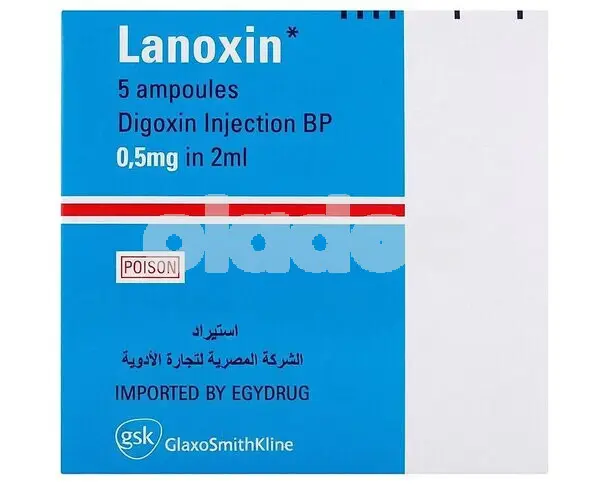
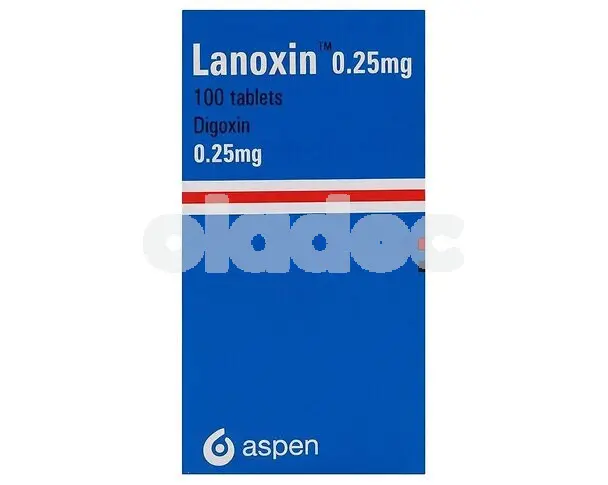
About Dioxin Syrup 50mcg/ml
Dioxin Syrup 50mcg/ml contains Digoxin, a cardiac glycoside used to manage heart failure and atrial fibrillation.
Dioxin Syrup 50mcg/ml Uses
- Treatment of congestive heart failure in adults and children
- Control of ventricular rate in atrial fibrillation and atrial flutter
- Management of certain supraventricular arrhythmias
- Improving heart pumping strength in chronic heart failure
Dioxin Syrup 50mcg/ml Benefits
- Strengthens weak heart muscle contractions
- Helps slow a rapid, irregular heartbeat
- Liquid form allows precise, weight based dosing in children and elderly patients
- Improves exercise tolerance and reduces breathlessness in heart failure
What Experts Say
Cardiologists in Pakistan prescribe Dioxin Syrup 50mcg/ml carefully because digoxin has one of the narrowest therapeutic margins of any heart medicine. Doctors individualize dosing based on age, kidney function and body weight rather than using one fixed dose for everyone.
Regular monitoring is central to safe use. Physicians order periodic serum digoxin level checks along with kidney function and potassium tests, since low potassium or reduced kidney clearance can push levels into the toxic range even without a dose change. Elderly patients and those with kidney disease usually need lower doses and closer follow up.
Pakistan carries a significant burden of rheumatic heart disease and heart failure linked to untreated hypertension, which keeps digoxin relevant in everyday cardiology practice. Patients on this syrup should never adjust their own dose and should report warning signs such as nausea, visual changes or a very slow pulse immediately.
Drug Class
Dioxin Syrup 50mcg/ml Uses in Urdu
- دل کی کمزوری اور ہارٹ فیلیئر کے علاج میں
- دل کی بے ترتیب دھڑکن یعنی ایٹریل فبریلیشن پر قابو پانے کے لیے
- ایٹریل فلٹر جیسی دل کی تال کی خرابیوں میں
- دل کی پمپنگ طاقت کو بہتر بنانے کے لیے
Dioxin Syrup 50mcg/ml formula
How to use Dioxin Syrup 50mcg/ml?
- Take Dioxin Syrup 50mcg/ml exactly as prescribed by your cardiologist, using the measuring cup or oral syringe provided
- Shake the bottle well before each dose to ensure even mixing
- Take the dose at the same time each day to maintain steady blood levels
- Because digoxin has a narrow therapeutic index, even small changes in dose can cause toxicity or loss of effect
- Never double a dose if one is missed. Skip the missed dose and continue with the next scheduled dose
- Do not stop this medicine suddenly without your doctor's advice, since this can worsen heart failure or arrhythmia
- Tell your doctor before starting or stopping any other medicine, including herbal products
- Attend all scheduled blood tests to monitor digoxin levels, kidney function and potassium
Drug Interactions
- Diuretics: Water tablets such as furosemide can lower potassium levels, which raises the risk of digoxin toxicity
- Amiodarone: This heart rhythm medicine can raise digoxin blood levels significantly and usually needs a digoxin dose reduction
- Verapamil: This calcium channel blocker can also raise digoxin levels and slow the heart rate further when combined
- Quinidine: Known to increase digoxin blood concentration and toxicity risk
- ACE Inhibitors and ARBs: Can affect potassium and kidney function, indirectly influencing digoxin levels
- Antacids and Cholestyramine: May reduce digoxin absorption if taken at the same time, so dosing should be spaced apart
Risks and warnings
- Narrow Therapeutic Index: The gap between an effective dose and a toxic dose is very small, so blood level monitoring is essential
- Digoxin Toxicity Signs: Nausea, vomiting, loss of appetite, visual disturbances such as blurred or yellow green vision, confusion and an irregular heartbeat can signal toxicity and need urgent medical review
- Kidney Impairment: Digoxin is cleared by the kidneys, so patients with reduced kidney function need lower doses and closer monitoring
- Electrolyte Imbalance: Low potassium or magnesium levels raise the risk of dangerous heart rhythm problems during treatment
- Heart Block or Severe Bradycardia: This medicine is generally avoided in patients with certain conduction problems unless a pacemaker is in place
- Pregnancy and Breastfeeding: Use only under direct cardiologist supervision since digoxin crosses the placenta and passes into breast milk
- Regular Level Monitoring: Periodic serum digoxin level checks along with kidney function and electrolyte tests are needed throughout treatment
Dioxin Syrup 50mcg/ml Side Effects
- Nausea and vomiting
- Loss of appetite
- Diarrhea
- Headache and dizziness
- Fatigue and weakness
- Visual disturbances including blurred vision or a yellow green tinge to vision
- Confusion, especially in elderly patients
- Slow or irregular heartbeat
- Skin rash in rare cases
- Breast enlargement in men with long term use in rare cases
Storage Conditions
- Store Dioxin Syrup 50mcg/ml at room temperature, below 25 degrees Celsius
- Keep the bottle tightly closed and away from direct sunlight
- Do not refrigerate or freeze the syrup
- Keep out of reach of children, since even a small extra dose can be dangerous
- Discard any unused syrup after the expiry date printed on the pack
- Do not use the syrup if it changes color or develops an unusual smell