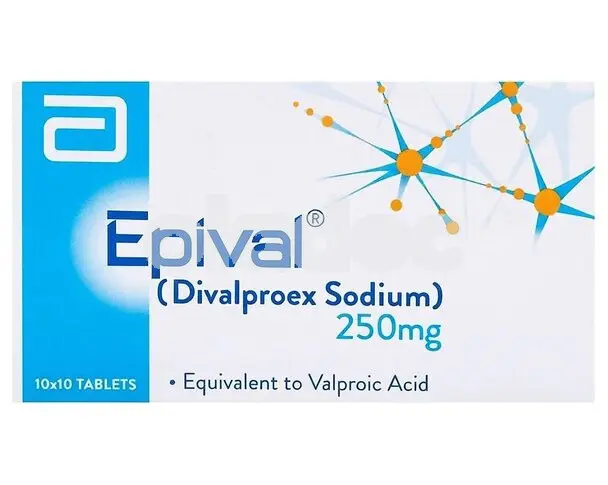
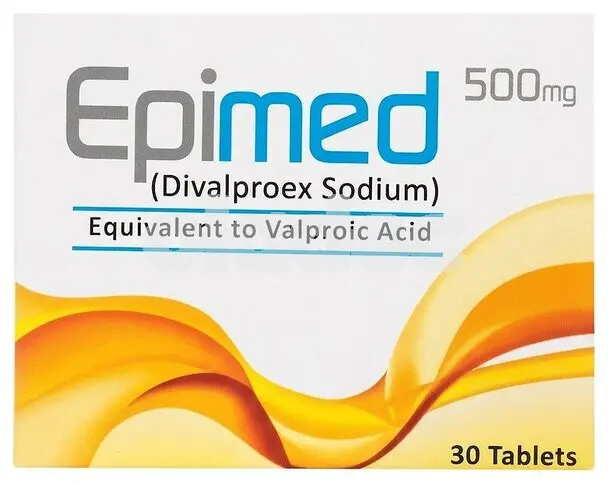
About Epival tablet 250mg
Epival Tablet 250mg is an anticonvulsant and mood stabilizer used for long-term epilepsy and bipolar disorder control.
Epival Tablet Uses
- Controls generalized seizures, including tonic-clonic and absence seizures
- Manages complex partial seizures in epilepsy
- Treats manic episodes associated with bipolar disorder
- Used as a preventive treatment for chronic migraine
Epival Tablet Benefits
- Provides long-term seizure control with once or twice daily dosing
- Helps stabilize mood swings in bipolar disorder over time
- Reduces the frequency and severity of migraine attacks
- Available as a tablet suited for regular outpatient maintenance therapy
What Experts Say
Doctors consider oral valproate a first line option for generalized epilepsy because it works against multiple seizure types at once, unlike many newer anticonvulsants that target only focal seizures.
In bipolar disorder, valproate helps stabilize mood by calming overactive electrical activity in the brain, making it a common choice for patients experiencing manic episodes.
Because valproate carries a real risk of liver toxicity, physicians recommend baseline and periodic liver function tests along with platelet counts throughout treatment, especially during the first six months.
Drug Class
- Anticonvulsant / Antiepileptic
- Mood Stabilizer
Epival Tablet Uses in Urdu
- مرگی کے مختلف اقسام کے دوروں کو قابو کرنے کے لیے
- بائی پولر ڈس آرڈر میں مینیا کی علامات کم کرنے کے لیے
- درد شقیقہ کے حملوں کی روک تھام کے لیے
Epival tablet 250mg formula
How to use Epival tablet 250mg?
- Take Epival Tablet 250mg consistently with food to reduce stomach upset
- Swallow the tablet whole with a glass of water, do not crush or chew it
- Do not stop the medicine abruptly without consulting your doctor, as this can trigger seizures
- Take the medicine at the same time each day to maintain stable blood levels
Drug Interactions
- Lamotrigine: Epival raises lamotrigine blood levels and increases the risk of serious skin reactions, so lamotrigine doses usually need to be reduced
- Phenytoin: Valproate can alter free phenytoin levels in unpredictable ways, requiring closer monitoring
- Carbamazepine: Combined use can change the blood levels of both drugs and may increase side effects
- Aspirin and Salicylates: These can raise free valproate levels and increase bleeding risk when combined
- Warfarin: Epival may enhance the blood-thinning effect of warfarin, raising bleeding risk
Risks and warnings
- Liver Toxicity: Rare but serious hepatotoxicity and liver failure can occur, especially within the first six months of treatment or in children under two years
- Pregnancy Risk: Valproate is linked to neural tube defects and other birth defects, and is considered high risk or contraindicated during pregnancy unless no safer alternative exists
- Pancreatitis: Life-threatening pancreatitis has been reported, sometimes shortly after starting therapy
- Low Platelet Count: May cause thrombocytopenia, increasing the risk of bruising or bleeding
- Hyperammonemia: Can raise blood ammonia levels, sometimes without visible liver enzyme changes, leading to confusion or lethargy
- Monitoring Required: Regular liver function tests, platelet counts, and blood valproate levels are needed throughout treatment
Epival Tablet Side Effects
- Nausea and vomiting
- Weight gain
- Hair thinning or hair loss
- Hand tremor
- Drowsiness or fatigue
- Elevated liver enzymes
- Stomach upset or indigestion
- Dizziness
Storage Conditions
- Store below 30°C in a cool, dry place away from direct sunlight
- Keep the tablet strip in its original packaging until use
- Protect from moisture and humidity
- Keep out of reach of children