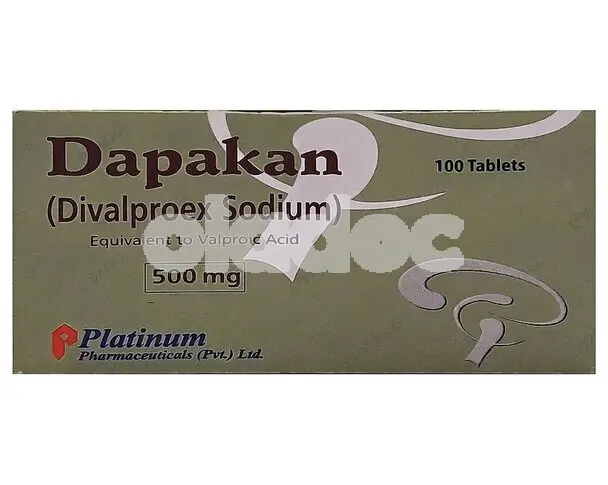
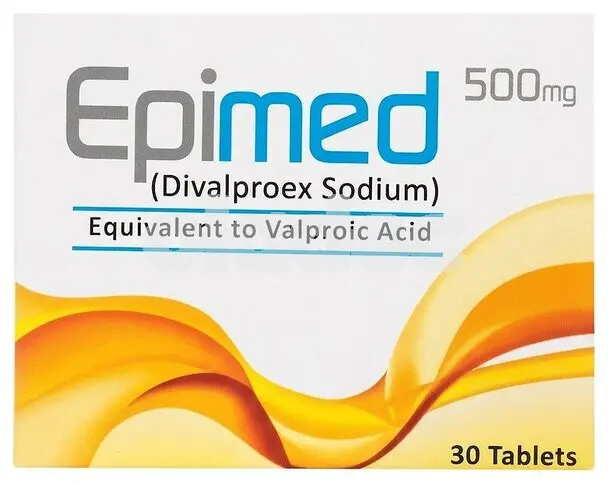
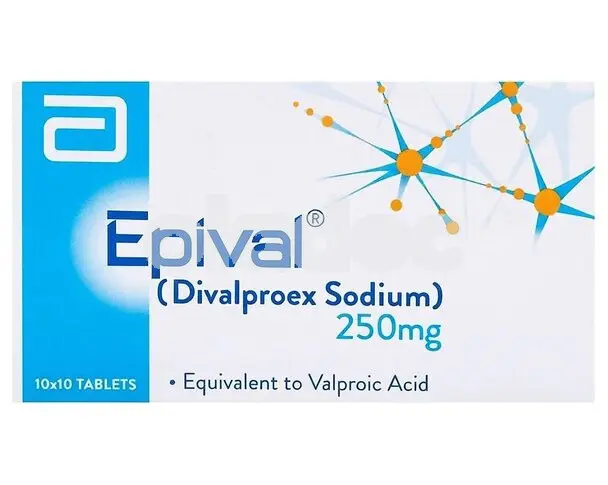
About Epival Tablet 500mg
Epival is an anticonvulsant used to treat seizures, bipolar disorder, and migraines.
Epival Tablet Uses
- Control and prevention of partial seizures, generalized tonic-clonic seizures, and absence seizures in epilepsy.
- Treatment of manic episodes in bipolar disorder including agitation, impulsivity, and mood elevation.
- Prophylaxis and prevention of migraine headaches and reduction of migraine frequency.
- Mood stabilization in psychiatric disorders and neuropathic pain management.
Epival Tablet Benefits
- Stabilizes abnormal electrical activity in the brain preventing seizure episodes.
- Elevates gamma-aminobutyric acid levels enhancing neuronal inhibition.
- Effective mood stabilizer reducing manic symptoms and emotional instability.
- Reduces frequency and intensity of migraine headaches and associated symptoms.
- Improves neurological stability and overall quality of life in chronic conditions.
What Experts Say
Divalproex sodium is an anticonvulsant that works by increasing gamma-aminobutyric acid levels in the brain, an inhibitory neurotransmitter that suppresses neuronal excitability. The mechanism involves inhibition of voltage-gated sodium channels and enhancement of GABAergic neurotransmission, resulting in stabilization of abnormal electrical activity. This dual action provides broad-spectrum anticonvulsant efficacy across generalized, partial, and absence seizures.
Divalproex also demonstrates mood-stabilizing properties beneficial in bipolar disorder by modulating monoamine levels and enhancing cellular phosphoinositol metabolism. Peak plasma concentration occurs within 1 to 4 hours, with a half-life of 8 to 16 hours permitting twice-daily or extended-release once-daily dosing. Hepatic metabolism via beta-oxidation and glucuronidation produces active metabolites with clinical significance.
Clinical efficacy is well established in generalized tonic-clonic seizures, absence seizures, partial seizures, manic episodes of bipolar disorder, and migraine prevention. The medication is particularly valuable in managing multiple seizure types simultaneously and in patients requiring mood stabilization with anticonvulsant coverage.
Drug Class
- Anticonvulsant Mood Stabilizer
Packaging and Quantity
- Strip containing 10 tablets or blister pack containing 100 tablets.
When Not to Use Epival
- Known hypersensitivity to divalproex sodium or valproic acid.
- Active liver disease or history of liver disease or pancreatitis.
- Pregnancy except when other agents have failed and benefits outweigh fetal risks.
- Women of childbearing age unless on effective contraception and fully informed of teratogenic risk.
Epival Tablet Uses in Urdu
Epival Tablet دوروں، دوئبرووی خرابی کی شکایت، اور درد شقیقہ کے علاج کے لئے استعمال کیا جاتا ہے. یہ Divalproex Sodium، ایک anticonvulsant پر مشتمل ہے، جو دماغ میں غیر معمولی برقی سرگرمی کو کم کرکے کام کرتا ہے جو دوروں کا سبب بنتا ہے۔ Epival 500mg موڈ کو مستحکم کرنے اور درد شقیقہ کو روکنے میں بھی مدد کر سکتا ہے۔
Epival Tablet 500mg formula
How to use Epival Tablet 500mg?
- Take with food or milk to minimize gastrointestinal irritation.
- Swallow tablet whole without crushing, chewing, or breaking.
- Take at regularly scheduled times maintaining consistent daily schedule.
- Do not suddenly stop taking this medication without medical consultation.
- Gradual dose reduction under medical supervision is essential for discontinuation.
- Take 1 tablet 500mg daily or twice daily as prescribed by your doctor.
Drug Interactions
Divalproex sodium interacts with multiple drug classes affecting metabolism and efficacy:
- Other antiepileptic drugs: Phenytoin and carbamazepine may alter divalproex levels and reduce efficacy.
- Lamotrigine: Increased risk of lamotrigine toxicity; requires dose adjustment and close monitoring.
- Hepatotoxic medications: Increased risk of liver injury in patients with hepatic impairment or enzyme induction.
- Aspirin and NSAIDs: May displace divalproex from protein binding increasing free drug levels and toxicity.
- Warfarin: Increased bleeding risk through protein binding displacement and reduced metabolism.
Risks and warnings
- Hepatotoxicity: Risk of severe liver injury especially in first 6 months; requires baseline and periodic liver function tests.
- Pancreatitis risk: Acute pancreatitis may occur; monitor for severe abdominal pain and discontinue if pancreatitis suspected.
- Teratogenicity: High risk of birth defects including spina bifida; avoid in pregnancy unless essential.
- Suicidal thoughts: Monitor closely for suicidal ideation and behavioral changes, especially in patients under 25 years.
- Abrupt discontinuation: Never stop abruptly as it may trigger seizures or manic episodes; requires gradual tapering.
- Drug interactions: Notify healthcare provider of all medications as significant drug-drug interactions may occur.
Epival Tablet Side Effects
Most patients experience manageable side effects that may diminish with continued use.
- Nausea, vomiting, or gastrointestinal upset, especially early in treatment.
- Tremor or fine hand trembling.
- Weight gain or increased appetite.
- Drowsiness, dizziness, or light-headedness.
- Hair loss or alopecia.
Serious side effects are uncommon but require immediate medical evaluation:
- Severe hepatotoxicity with jaundice and elevated liver enzymes.
- Acute pancreatitis with severe abdominal pain and elevated amylase levels.
- Severe allergic reactions, rash including Stevens-Johnson syndrome.
- Thrombocytopenia or bleeding disorders from impaired coagulation.
Storage Conditions
- Store at room temperature between 15-30°C.
- Keep away from direct sunlight and excessive light.
- Protect from moisture and store in a dry location.
- Keep in original blister strip or tablet container.
- Keep out of reach of children and pets.
- Do not use after the expiration date on the packaging.