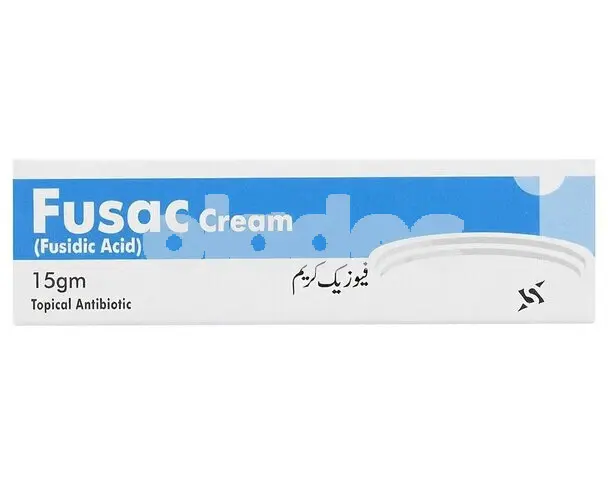
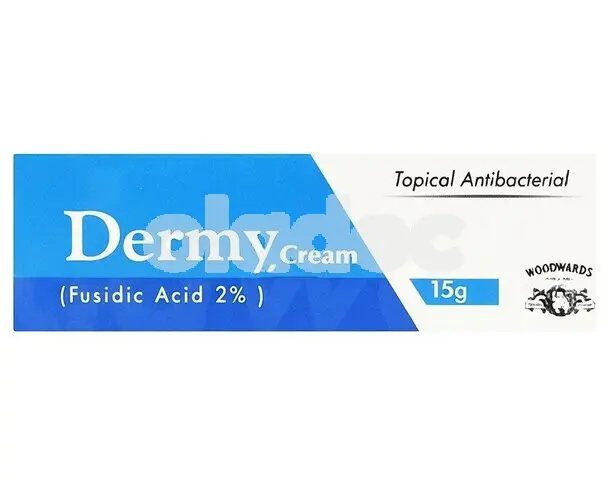
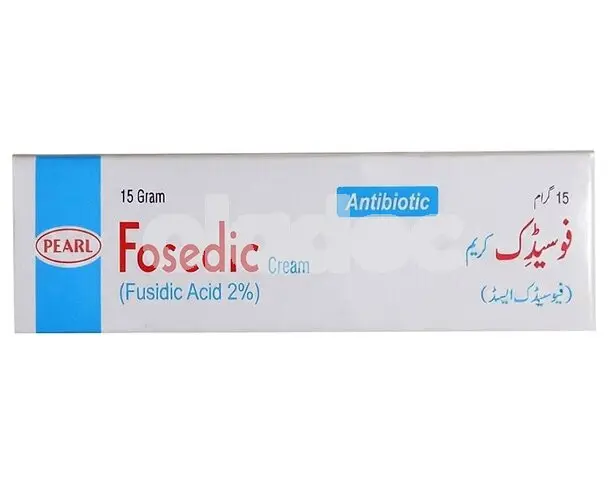
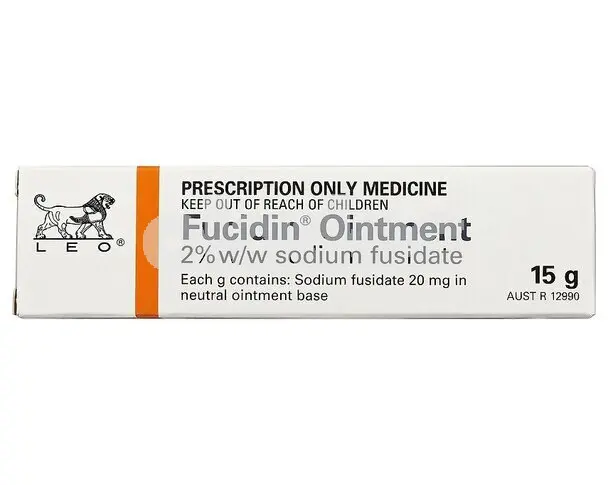
About Fusac Cream 2%
Fusidic acid cream that treats bacterial skin infections like impetigo, folliculitis and infected eczema.
Fusac Cream Uses
- Treats impetigo, a common contagious bacterial skin infection
- Manages folliculitis and infected hair follicles
- Treats infected eczema and dermatitis flare ups
- Helps clear infected minor cuts, wounds and abrasions
- Used for boils and superficial skin abscesses caused by susceptible bacteria
- Supports healing of infected burns as advised by a doctor
Fusac Cream Benefits
- Targets Staphylococcus aureus, the bacteria behind most skin infections
- Works directly on the skin with low systemic absorption
- Reduces redness, oozing and crusting caused by bacterial infection
- Suitable for use on the face, scalp and body as directed
- Convenient two to four times daily application
What Experts Say
Fusidic acid works by blocking protein synthesis inside bacterial cells, which stops the bacteria from multiplying. It shows strong activity against Staphylococcus aureus, including many strains that resist other common antibiotics. This makes it a reliable first choice for uncomplicated bacterial skin infections.
Doctors usually recommend using this cream for a short, defined course, often seven to fourteen days. Using it for longer than advised or on infections that are not bacterial can encourage resistant bacteria to develop. For this reason, a proper diagnosis before starting treatment matters as much as the medicine itself.
Topical fusidic acid has very limited absorption into the bloodstream, so it carries a lower risk profile than oral antibiotics. Mild stinging or redness at the application site is the most common reaction reported. Deeper infections, large wounds or infections that keep spreading despite treatment usually need an oral antibiotic and a doctor's review rather than cream alone.
Drug Class
- Topical Antibiotic
- Fusidane Class Antibacterial
Fusac Cream 2% Uses in Urdu
- جلد کے بیکٹیریل انفیکشن جیسے امپیٹائیگو کا علاج
- پھنسیوں اور بالوں کے مساموں کی سوزش یعنی فولیکولائٹس میں استعمال
- انفیکٹڈ ایگزیما اور جلدی زخموں کا علاج
- معمولی کٹنے یا زخموں میں بیکٹیریا کے انفیکشن سے بچاؤ
- پھوڑے پھنسیوں میں بیکٹیریل انفیکشن کے علاج میں مددگار
How to use Fusac Cream 2%?
- Clean and dry the affected area before application.
- Apply a thin layer of the cream three to four times a day or as directed by the doctor.
- Gently rub the cream into the skin until absorbed.
- Wash hands before and after use unless the hands are the area being treated.
- Complete the full course even if the skin looks better within a few days.
- Do not cover the treated area with an airtight bandage unless advised.
Drug Interactions
- Other Topical Products: Avoid applying other topical antibiotics, steroids or acne treatments on the same area at the same time unless a doctor advises combined use.
- Moisturizers and Cosmetics: Applying other creams or makeup right after this cream may reduce how well it is absorbed into the skin.
Risks and warnings
- Prolonged Use: Extended or repeated use beyond the advised course can lead to antibiotic resistant bacteria on the skin.
- Allergic Reaction: Stop use and consult a doctor if severe itching, swelling or blistering develops after application.
- Eye Contact: Avoid contact with eyes, mouth and open wounds beyond the treated area. Rinse thoroughly with water if accidental contact occurs.
- Pregnancy and Breastfeeding: Use only under a doctor's advice during pregnancy or while breastfeeding.
- Large Skin Areas: Avoid applying over large areas of broken or damaged skin without medical supervision due to increased absorption.
Fusac Cream 2% Side Effects
- Mild burning or stinging at the application site
- Redness or itching
- Dryness or peeling of the skin
- Rash at the site of application
- Rare allergic reactions such as swelling or severe itching
Storage Conditions
- Store below 30°C in a cool, dry place away from direct sunlight.
- Keep the tube cap tightly closed after each use.
- Do not freeze the cream.
- Keep out of reach of children.
- Discard the tube after the printed expiry date.