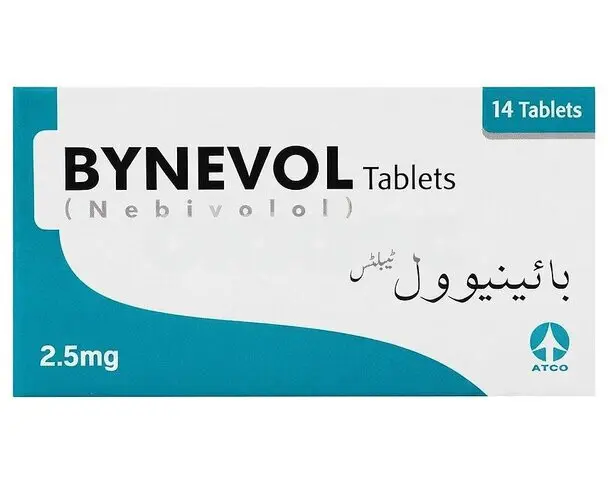
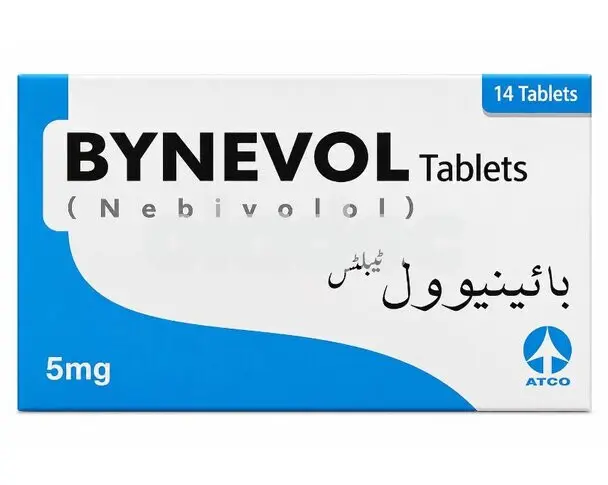
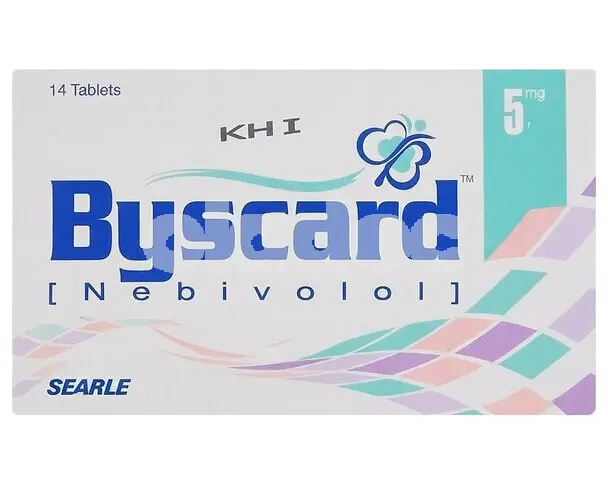
About Gneb Tablet 2.5mg
A once daily tablet that helps control high blood pressure and supports heart function.
Gneb Tablet Uses
- High blood pressure (hypertension)
- Chronic stable heart failure
- Long term heart rate control
Gneb Tablet Benefits
- Lowers blood pressure with a favorable side effect profile
- Highly selective for the heart, reducing effects on the lungs
- Supports better heart pumping function in heart failure
- Convenient once daily dosing improves adherence
What Experts Say
Nebivolol is a highly selective beta one blocker that also promotes nitric oxide release, giving it a mild vasodilating effect alongside heart rate control. This combination allows effective blood pressure reduction with a lower chance of the fatigue and cold extremities seen with older beta blockers.
Pakistani physicians typically begin nebivolol at a low dose, especially in older adults and patients with reduced kidney function, then titrate upward over several weeks. Regular checks of pulse rate and blood pressure help confirm the dose is well tolerated before any increase.
Hypertension and heart failure remain major contributors to cardiovascular disease burden in Pakistan, often linked to high salt intake and limited routine screening. Nebivolol is favored in many of these cases because its tolerability supports long term adherence, which is central to preventing complications.
Drug Class
- Beta one selective adrenergic blocker
- Antihypertensive agent
Gneb Tablet 2.5mg Uses in Urdu
- ہائی بلڈ پریشر کو کنٹرول کرنے کے لیے
- دل کی دائمی کمزوری کے علاج میں
- دل کی دھڑکن کو منظم رکھنے کے لیے
Gneb Tablet 2.5mg formula
How to use Gneb Tablet 2.5mg?
- The tablet should be taken at the same time each day.
- It can be swallowed with a glass of water, with or without food.
- Sudden discontinuation should be avoided without consulting a doctor.
- Blood pressure and pulse should be monitored regularly during treatment.
Drug Interactions
- Calcium Channel Blockers: Combining with verapamil or diltiazem can cause excessive slowing of the heart rate.
- Digoxin: This combination increases the risk of bradycardia when used together.
- Insulin And Oral Antidiabetics: Nebivolol can mask symptoms of low blood sugar and requires closer glucose monitoring.
- Clonidine: Stopping clonidine while on nebivolol can cause a dangerous rebound rise in blood pressure.
- NSAIDs: Regular use can reduce the blood pressure lowering effect of nebivolol.
Risks and warnings
- Heart Failure Caution: Nebivolol should be started at a low dose and increased gradually under medical supervision in heart failure patients.
- Bradycardia Risk: Heart rate can slow excessively, especially when combined with other rate lowering drugs.
- Abrupt Discontinuation: Stopping suddenly can worsen chest pain or trigger a rise in blood pressure.
- Asthma And COPD: Nebivolol should be used cautiously in patients with bronchospastic lung disease.
- Diabetes Masking: Nebivolol may mask the warning signs of low blood sugar such as a racing heartbeat.
Gneb Tablet Side Effects
- Headache
- Fatigue
- Dizziness
- Slow heart rate
- Cold hands and feet
- Nausea
- Diarrhea
- Shortness of breath in sensitive patients
- Low blood pressure with lightheadedness
- Fluid retention and swelling in heart failure patients
Storage Conditions
- Store at room temperature below thirty degrees Celsius.
- Protect the tablets from direct light and moisture.
- Keep the strip inside its original carton.
- Keep out of reach of children.