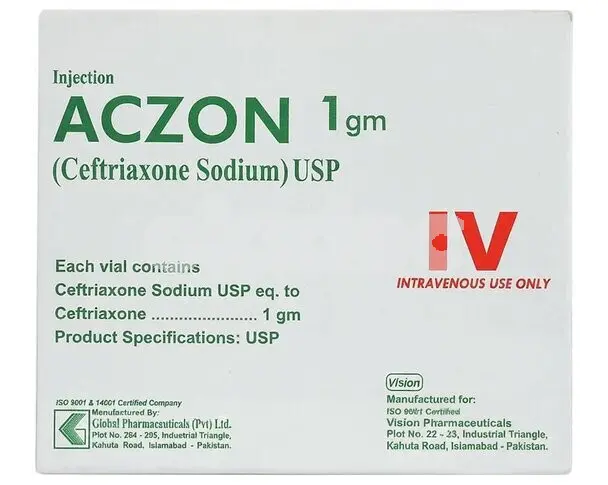
About Inocef Injection IV 1gm
A third-generation cephalosporin antibiotic injection used to treat serious bacterial infections in adults.
Inocef Injection Uses
- Pneumonia and other lower respiratory tract infections
- Complicated urinary tract infections
- Bacterial meningitis
- Skin and soft tissue infections
- Intra-abdominal infections
- Bone and joint infections
- Gonorrhea and other sexually transmitted infections
- Bacterial septicemia
- Surgical infection prophylaxis
Inocef Injection Benefits
- Broad coverage against gram-negative and gram-positive bacteria
- Once-daily dosing that improves treatment compliance
- Strong penetration into cerebrospinal fluid for central nervous system infections
- Suitable for both intravenous and intramuscular administration
- Stable against many bacterial beta-lactamase enzymes
- Fast bactericidal action in serious infections
What Experts Say
Ceftriaxone works by binding to penicillin-binding proteins on the bacterial cell wall. This action blocks peptidoglycan cross-linking, which weakens the wall and causes the bacterial cell to rupture. Its cephalosporin core structure resists breakdown by many common bacterial beta-lactamase enzymes, which extends its usefulness against resistant organisms.
The drug has an extended plasma half-life of roughly eight hours, which supports once-daily dosing in most adult infections. High protein binding slows its clearance, while dual elimination through bile and urine allows dosing flexibility in patients with mild kidney or liver impairment. Tissue penetration is strong, including into inflamed meninges.
Because of this wide coverage, clinicians often choose ceftriaxone as an empiric option for serious infections while culture results are pending. Calcium-containing intravenous fluids should never be mixed with it due to precipitation risk, and patients with a documented penicillin allergy need careful monitoring for possible cross-reactivity.
Drug Class
- Third-generation cephalosporin
- Beta-lactam antibiotic
- Injectable broad-spectrum antibacterial
Inocef Injection IV 1gm Uses in Urdu
- نمونیا اور سانس کی نالی کے شدید انفیکشن کے علاج میں
- پیشاب کی نالی کے پیچیدہ انفیکشن کے لیے
- دماغی جھلی کے انفیکشن یعنی مینن جائٹس میں
- جلد اور نرم بافتوں کے انفیکشن کے علاج کے لیے
- پیٹ کے اندرونی اعضاء کے انفیکشن میں
- خون میں بیکٹیریا پھیلنے یعنی سیپسس کی صورت میں
- جنسی طور پر منتقل ہونے والے بعض انفیکشنز کے لیے
Inocef Injection IV 1gm formula
How to use Inocef Injection IV 1gm?
- Administer only under the supervision of a qualified healthcare professional
- Reconstitute the vial with the recommended diluent before use
- Give as a slow intravenous infusion over 30 minutes or as directed
- Typical adult dose ranges from 1gm to 2gm once daily depending on infection severity
- Complete the full prescribed course even if symptoms improve early
- Do not mix with calcium-containing solutions in the same IV line
Drug Interactions
- Calcium-containing products: Concurrent use with calcium-containing IV solutions can form harmful precipitates, especially in neonates.
- Aminoglycosides: Combined use may increase the risk of kidney-related side effects despite added antibacterial benefit.
- Warfarin and other blood thinners: May enhance anticoagulant effect and raise bleeding risk.
- Live bacterial vaccines: Antibiotic therapy can reduce vaccine effectiveness if given close together.
- Other nephrotoxic drugs: Using ceftriaxone with other kidney-affecting medicines may raise the risk of renal impairment.
Risks and warnings
- Allergy history: Avoid use in patients with a known severe reaction to cephalosporins or penicillins.
- Neonatal use: Not recommended in newborns receiving calcium-containing IV products due to precipitation risk.
- Liver or kidney disease: Dose adjustment may be needed in patients with significant hepatic or renal impairment.
- Gallbladder conditions: Use with caution as biliary sludging has been reported with prolonged therapy.
- Pregnancy and breastfeeding: Use only if clearly needed and under medical supervision.
Inocef Injection Side Effects
- Pain or swelling at the injection site
- Diarrhea or loose stools
- Nausea or vomiting
- Skin rash or itching
- Elevated liver enzymes on blood tests
- Eosinophilia
- Headache
- Biliary sludging with prolonged use
- Rare severe allergic reactions requiring immediate medical attention
Storage Conditions
- Store the unopened vial at 20°C to 25°C away from direct sunlight
- Keep the reconstituted solution refrigerated and use within the time stated on the label
- Protect the vial from moisture and keep it in its original packaging
- Keep out of reach of children
- Discard any unused reconstituted solution after the recommended period