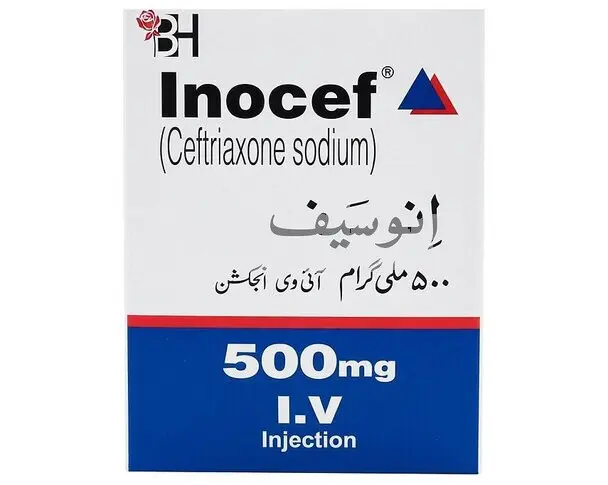
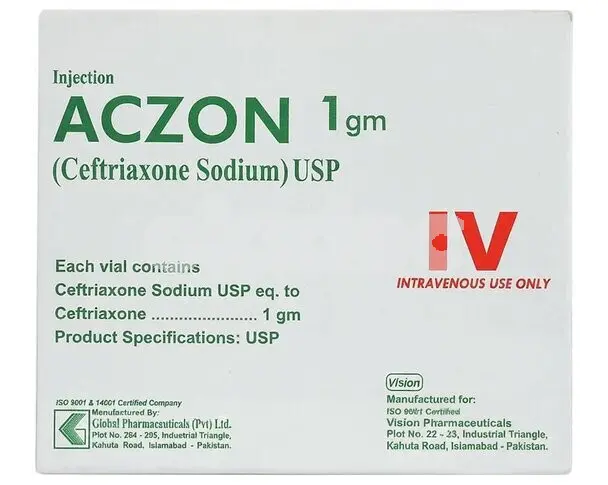
About Inocef Injection IV 1gm
Inocef Injection IV 1gm is a ceftriaxone third generation cephalosporin used for severe bacterial infections.
Inocef Injection IV 1gm Uses
- Treatment of community acquired and hospital acquired pneumonia
- Treatment of bacterial meningitis
- Treatment of sepsis and bloodstream infections
- Treatment of typhoid fever, including drug resistant strains
- Treatment of complicated urinary tract infections
- Treatment of skin and soft tissue infections
- Treatment of intra-abdominal infections
- Treatment of gonorrhea as a single dose regimen
- Treatment of bone and joint infections
- Prevention of infection before certain surgical procedures
Inocef Injection IV 1gm Benefits
- Broad spectrum coverage against gram positive and gram negative bacteria
- Once daily dosing due to a long half life, which suits hospital and outpatient infusion schedules
- Useful against organisms resistant to older antibiotics such as fluoroquinolones
- Good penetration into cerebrospinal fluid when meninges are inflamed
- Effective empiric option before culture and sensitivity results are available
What Experts Say
Ceftriaxone is a third generation cephalosporin that blocks bacterial cell wall synthesis. It binds penicillin binding proteins and disables the enzymes that build the wall, making the cell unstable and causing death. Its structure gives broad coverage against gram positive and negative organisms and resistance to many beta lactamase enzymes.
The drug has a long half life of about eight hours, allowing once daily dosing and better adherence. It binds heavily to plasma proteins and clears through liver and kidneys, so dose changes are rarely needed in mild organ impairment. When the meninges are inflamed, it reaches useful concentrations in cerebrospinal fluid, supporting its role in central nervous system infections.
Rising resistance to older antibiotics has made ceftriaxone a preferred empiric choice for infections common in Pakistan, including drug resistant typhoid fever. Clinicians select it based on infection severity and resistance patterns, then narrow therapy once culture results return. Correct dosing and allergy monitoring remain essential for safe use.
Drug Class
- Third generation cephalosporin antibiotic
Inocef Injection IV 1gm Uses in Urdu
- نمونیا اور پھیپھڑوں کے سنگین انفیکشن کے علاج میں
- گردن توڑ بخار یعنی میننجائٹس کے علاج میں
- خون میں انفیکشن یعنی سیپسس کے علاج میں
- ٹائیفائیڈ بخار، خاص طور پر ادویات مزاحم اقسام کے علاج میں
- پیشاب کی نالی کے پیچیدہ انفیکشن میں
- جلد اور نرم بافتوں کے انفیکشن میں
- پیٹ کے اندرونی اعضا کے انفیکشن میں
- ہڈیوں اور جوڑوں کے انفیکشن میں
- بعض سرجریوں سے پہلے انفیکشن کی روک تھام کے لیے
Inocef Injection IV 1gm formula
How to use Inocef Injection IV 1gm?
- Administered only by a doctor or trained healthcare professional in a clinic or hospital setting
- Given as a slow intravenous infusion or injection after reconstitution with the correct diluent
- Dose and frequency depend on the type and severity of infection, body weight, and kidney or liver function
- Not intended for self-administration at home
- Complete the full prescribed course even if symptoms improve early
- Report any signs of allergic reaction such as rash, swelling, or difficulty breathing immediately
Drug Interactions
- Calcium Containing Solutions: Concurrent intravenous use in neonates can form dangerous precipitates and must be avoided
- Warfarin And Other Anticoagulants: May increase bleeding risk, so clotting status should be monitored closely
- Aminoglycoside Antibiotics: Can be used together for certain severe infections but must be given through separate lines with renal function monitored
- Live Oral Typhoid Vaccine: Avoid concurrent use since the antibiotic can reduce vaccine effectiveness
- Other Beta Lactam Antibiotics: Combining with similar antibiotics adds no extra benefit and raises the chance of side effects
Risks and warnings
- Allergy History: Avoid use in patients with a known allergy to cephalosporins or a severe penicillin allergy
- Neonatal Use: Avoid concurrent use with calcium containing intravenous solutions in newborns due to risk of fatal precipitates
- Liver Or Kidney Disease: Use with caution and under close monitoring in patients with significant hepatic or renal impairment
- Gallbladder Disease: Watch for biliary sludge or pseudolithiasis, which usually resolves after stopping treatment
- Pregnancy And Breastfeeding: Use only if clearly needed and under medical supervision
- Prolonged Use: Extended courses raise the risk of Clostridioides difficile associated diarrhea and colitis
Inocef Injection IV 1gm Side Effects
- Pain, redness, or swelling at the injection site
- Nausea, vomiting, or diarrhea
- Loss of appetite
- Mild skin rash or itching
- Headache
- Eosinophilia or mild changes in liver enzyme levels on blood tests
- Severe allergic reaction with facial swelling, hives, or difficulty breathing
- Severe watery or bloody diarrhea suggesting colitis
- Yellowing of the skin or eyes indicating liver or gallbladder problems
- Unusual bleeding or bruising
- Severe blistering skin reactions in rare cases
Storage Conditions
- Store the unopened vial below 25 degrees Celsius in a dry place away from direct sunlight
- Keep the injection out of reach of children
- Protect the reconstituted solution from light and use within the time specified on the product literature
- Discard any unused reconstituted solution after the recommended window
- Avoid storing in a bathroom or near a kitchen sink where moisture is high