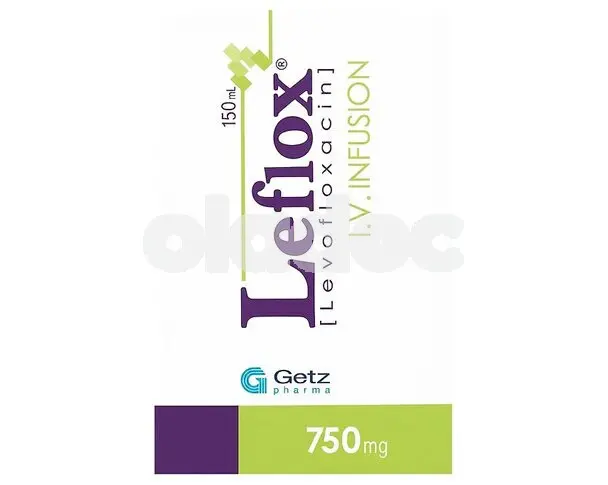
About Leflox infusion 750mg
Leflox 750mg IV infusion delivers levofloxacin for severe, hospital treated bacterial infections.
Leflox Infusion 750mg Uses
- Severe community acquired and hospital acquired pneumonia
- Complicated urinary tract infections and acute pyelonephritis
- Complicated skin and soft tissue infections
- Chronic bacterial prostatitis
- Serious infections that need strong, high dose IV antibiotic coverage
What Experts Say
Doctors in Pakistan usually reserve the 750mg dose of levofloxacin infusion for infections that are more severe or harder to treat than routine cases. This higher strength gives better tissue penetration and a stronger effect against resistant bacteria, which matters in complicated UTIs, severe pneumonia, or infections in patients who are already very unwell.
Physicians choose the IV route because it works faster than tablets and ensures the full dose reaches the bloodstream without depending on gut absorption. This is especially important for patients who are vomiting, critically ill, or unable to take oral medicines reliably.
Because levofloxacin belongs to the fluoroquinolone class, doctors weigh its strong antibacterial benefit against known class risks such as tendon damage and heart rhythm changes. Most physicians in Pakistan use this dose only after confirming that safer antibiotic options are not suitable for the infection being treated.
لیفلوکس انفیوژن 750mg کے استعمالات
- شدید نمونیا کے علاج کے لیے
- پیچیدہ پیشاب کی نالی کے انفیکشن کے لیے
- گردے کے شدید انفیکشن کے لیے
- جلد اور نرم بافتوں کے پیچیدہ انفیکشن کے لیے
- پروسٹیٹ کے دائمی بیکٹیریل انفیکشن کے لیے
Leflox infusion 750mg formula
Available forms
- Solution for IV Infusion 750mg/150ml
- Single use vial for hospital administration
How to use Leflox infusion 750mg?
- Administered only by a doctor or trained healthcare staff in a hospital or clinical setting
- Never self-administered at home
- Usual dose is 750mg once daily given as a slow IV infusion
- Each infusion is given slowly over 60 to 90 minutes to avoid a drop in blood pressure
- Duration usually ranges from 5 to 14 days depending on the infection being treated
- Dose may be adjusted for patients with reduced kidney function
- Patient vitals are monitored during and after the infusion
- Should not be switched to a faster infusion rate than recommended
Drug Interactions
- Antacids and multivitamins: Products containing magnesium, aluminum, calcium, iron, or zinc can reduce levofloxacin absorption if the patient is later switched to oral tablets.
- Warfarin: May increase bleeding risk and requires closer monitoring of clotting levels.
- NSAIDs: Combined use may raise the risk of central nervous system effects such as seizures.
- Corticosteroids: Increase the risk of tendon inflammation and rupture when used with levofloxacin.
- QT prolonging medicines: Drugs such as certain antiarrhythmics and antipsychotics can add to the risk of dangerous heart rhythm changes.
- Insulin or diabetes medicines: May cause unusual swings in blood sugar levels.
Risks and warnings
- Hospital use only: This is a hospital administered IV antibiotic and must never be self-administered without medical supervision.
- Tendon damage: Fluoroquinolones carry a risk of tendon inflammation and tendon rupture, especially in older adults and those on steroids.
- Nerve damage: May cause peripheral neuropathy with numbness, tingling, or burning sensations that can be permanent.
- Heart rhythm risk: Can prolong the QT interval and trigger dangerous irregular heartbeats, particularly in patients with existing heart conditions.
- Central nervous system effects: May cause dizziness, confusion, seizures, anxiety, or hallucinations in some patients.
- Myasthenia gravis: Can worsen muscle weakness in patients with this condition and should be avoided.
- Allergic reactions: Serious hypersensitivity reactions and anaphylaxis have been reported.
- Intestinal infection: May trigger severe diarrhea caused by Clostridioides difficile.
- Pregnancy and children: Not recommended in pregnancy, breastfeeding, or in children due to effects on developing joints.
- Sun sensitivity: May increase skin sensitivity to sunlight during and shortly after treatment.
Leflox Infusion 750mg Side Effects
- Nausea
- Diarrhea
- Headache
- Dizziness
- Injection site pain or redness
- Difficulty sleeping
- Tendon pain, swelling, or weakness
- Numbness or tingling in hands or feet
- Irregular or fast heartbeat
- Severe skin rash or blistering
- Severe or watery diarrhea that does not stop
- Confusion, unusual mood changes, or hallucinations
Storage Conditions
- Store in the hospital pharmacy or clinical storage area below 30°C
- Protect the infusion bag or bottle from direct light
- Do not freeze
- Use only as a single dose vial and discard any unused solution
- Do not use if the solution appears discolored or contains particles
- Keep out of reach of children
- Store away from heat sources and direct sunlight