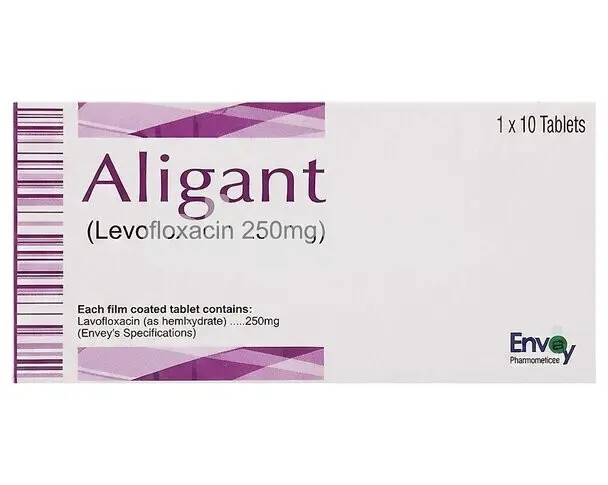
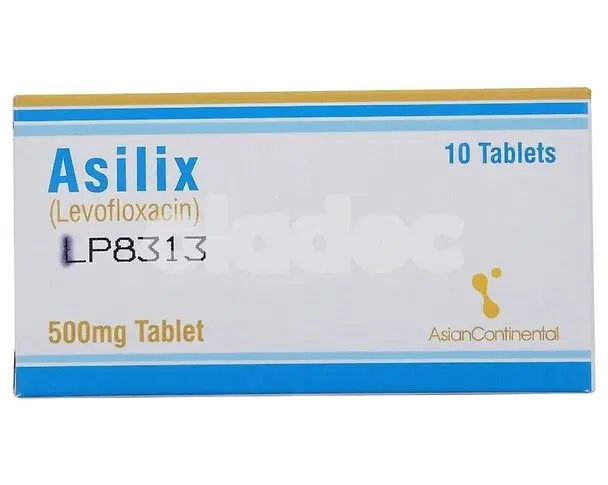
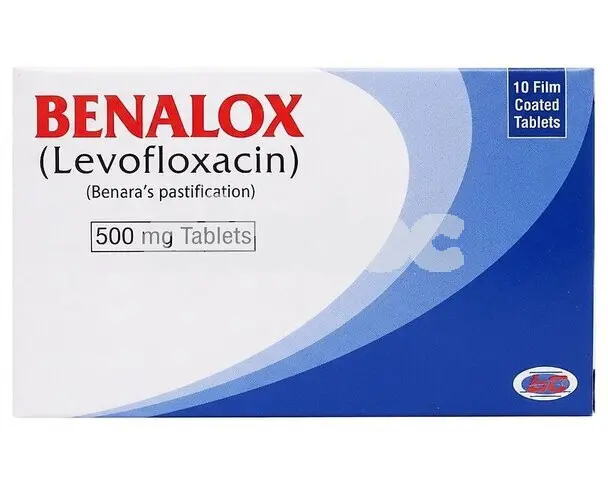
About Levocin Tablet 250mg
An antibiotic tablet prescribed for mild to moderate bacterial infections.
Levocin Tablet 250mg Uses
- Uncomplicated urinary tract infections in adults are a primary use for this tablet.
- Acute bacterial sinusitis that persists beyond a week often calls for this treatment.
- Mild to moderate community acquired pneumonia responds to this antibiotic.
- Acute exacerbations of chronic bronchitis clear with this tablet's help.
- Uncomplicated skin infections such as cellulitis are treated with this medicine.
Levocin Tablet 250mg Benefits
- A lower strength suits infections that do not need the higher dose.
- Once daily scheduling reduces the chance of missed doses.
- Good oral absorption avoids the need for injections.
- Many gram positive and gram negative bacteria fall within this tablet's reach.
- A compact tablet size makes it easy to carry and take on time.
Urinary and sinus infections send many patients to clinics in Lahore, Karachi, Islamabad, and Rawalpindi every week, especially during humid months. Levocin Tablet 250mg contains levofloxacin and offers a lower strength option for infections that are moderate rather than severe. Doctors often choose it when a patient has normal kidney function and a straightforward infection.
This tablet does not work against viruses, fungi, or parasites, so it will not help with a cold, flu, or fungal skin patch. A urine or sputum culture sometimes guides the doctor toward levofloxacin when other antibiotics have failed. Patients should never share this tablet with family members even if the symptoms look similar.
Consistency matters with Levocin Tablet 250mg. Taking it at the same hour daily, avoiding dairy products close to the dose, and finishing the full course all support a complete recovery. Anyone who develops joint pain, unusual fatigue, or skin rash during treatment should contact their doctor without delay.
Drug Class
- Fluoroquinolone antibiotic
- Levofloxacin, a synthetic broad spectrum agent
- Third generation quinolone
Levocin Tablet 250mg Uses in Urdu
لیووسن ٹیبلٹ 250mg ایک اینٹی بائیوٹک دوا ہے جو معتدل نوعیت کے بیکٹیریل انفیکشنز کے علاج میں استعمال ہوتی ہے۔ یہ خاص طور پر پیشاب کی نالی اور ناک کی ہڈیوں کے انفیکشن میں تجویز کی جاتی ہے۔
- پیشاب کی نالی کے سادہ انفیکشن کا علاج
- ناک کی ہڈیوں کے بیکٹیریل انفیکشن میں مفید
- ہلکے سے درمیانے نمونیا میں استعمال
- سانس کی نالی کے دائمی مسائل کے دوران انفیکشن کنٹرول کرے
- جلد کے سادہ انفیکشنز میں تجویز کی جاتی ہے
Levocin Tablet 250mg formula
How to use Levocin Tablet 250mg?
- One tablet is taken by mouth once daily unless the doctor advises otherwise.
- The tablet should be swallowed whole with plenty of water, not crushed or chewed.
- A consistent dosing time from day to day supports steady drug levels.
- Food does not need to be avoided, though very heavy meals may slow absorption slightly.
- A two hour gap before or after antacids, calcium, or multivitamins is recommended.
- The full course prescribed should be completed, even after feeling better.
Drug Interactions
Several medicines and everyday products can change how Levocin Tablet 250mg works in the body. Telling the pharmacist about all current medicines lowers the risk of a problem.
- Antacids And Multivitamins: Products with magnesium, aluminum, calcium, iron, or zinc bind to levofloxacin and lower its absorption if taken together.
- Warfarin: This combination can increase bleeding risk and may require closer INR checks.
- NSAID Painkillers: Regular use of NSAIDs with levofloxacin can raise the risk of seizures in susceptible patients.
- Corticosteroid Medicines: Combining steroids with levofloxacin increases the chance of tendon problems, especially in older adults.
- Diabetes Medicines: Blood sugar can swing higher or lower than usual when levofloxacin is taken alongside insulin or sulfonylureas.
- Heart Rhythm Medicines: Drugs that also affect the QT interval, such as certain antiarrhythmics, should be used cautiously alongside this tablet.
Risks and warnings
- Tendon Injury: Fluoroquinolones like levofloxacin carry a risk of tendinitis and tendon rupture, more common in people over 60 or those taking steroids.
- Cardiac Caution: Levofloxacin may prolong the QT interval, so patients with a known heart rhythm condition should discuss this with their doctor first.
- Central Nervous System Reactions: Some patients experience dizziness, restlessness, or in rare cases seizures during treatment.
- Myasthenia Gravis Warning: This medicine can worsen muscle weakness symptoms and should generally be avoided in people with this condition.
- Use In Pregnancy: Levofloxacin is not typically recommended in pregnancy unless no safer alternative exists.
- Nerve Symptoms: Tingling, burning, or numbness in the arms or legs can signal peripheral neuropathy and should be reported immediately.
Side Effects
Most people taking levofloxacin experience only mild discomfort during treatment. Being aware of the full range of effects helps patients respond quickly if something feels wrong.
- Mild stomach upset
- Loose stools
- Headache
- Dizziness
- Difficulty sleeping
- Loss of appetite
A smaller number of patients develop more serious reactions that need prompt medical care. Contact a doctor immediately if any of these appear.
- Sudden pain or swelling around a tendon, particularly the Achilles
- Fast, slow, or irregular heartbeat
- Severe or bloody diarrhea that does not settle
- Unexplained tingling or weakness in the hands or feet
- Swelling of the lips, tongue, or throat
- Sudden confusion or unusual mood changes
Storage Conditions
Store in a cool, dry place below 30 degrees Celsius. Keep away from direct sunlight and excess heat. Protect the strip from moisture until the tablet is needed. Avoid leaving the pack in a car or on a windowsill. Keep out of reach of children and pets.