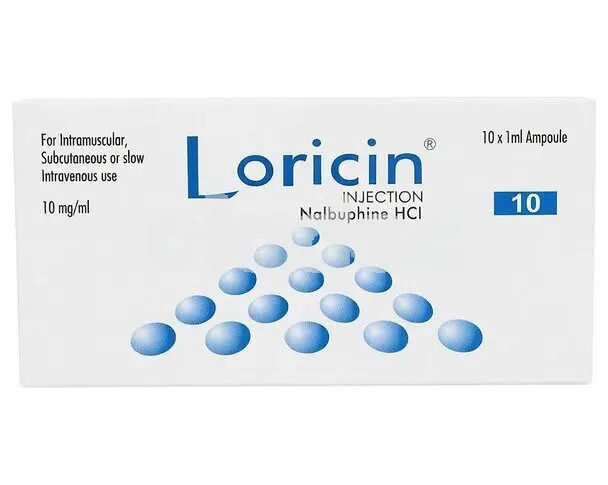
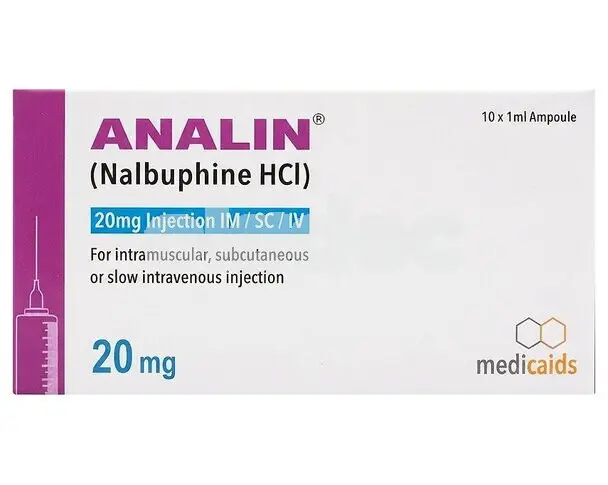
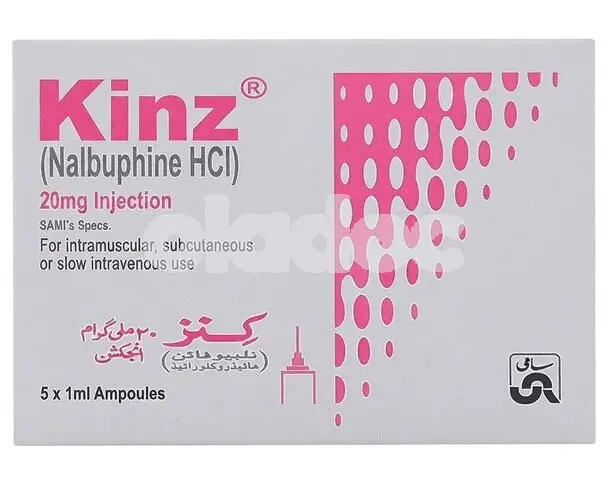
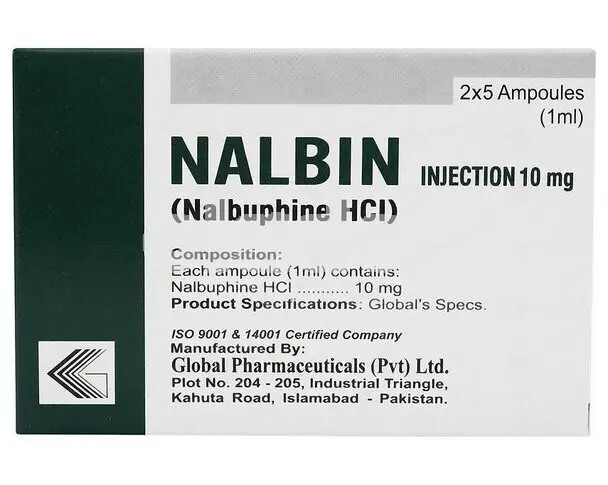
About Loricin Injection 20mg/ml
Loricin Injection 20mg/ml contains nalbuphine, an opioid pain reliever given by healthcare professionals for moderate to severe
Loricin Injection Uses
- Moderate to severe pain relief after surgery
- Pain management during labor and delivery
- Pain control before and after diagnostic procedures
- Support during balanced anesthesia in surgical settings
- Pain relief in cancer patients under medical supervision
Loricin Injection Benefits
- Works within minutes to reduce pain intensity
- Carries a lower risk of severe respiratory depression than pure opioid agonists
- Commonly chosen during labor since it affects the newborn's breathing less than some other opioids
- Can be combined with other anesthesia techniques for better pain control
What Experts Say
Doctors across Pakistani hospitals commonly prescribe nalbuphine injections such as Loricin for post operative pain because they give effective relief with a comparatively lower dependence risk than full opioid agonists like morphine, which matters greatly for patients who need repeated dosing after major surgery or a difficult delivery.
Obstetricians in maternity wards often use nalbuphine during labor since it eases pain without excessively slowing the newborn's breathing, a concern that comes up with some older opioid options used for the same purpose during delivery. Emergency departments also use it for moderate to severe pain from injuries.
Physicians caution that Loricin should only be given by trained hospital staff who can track blood pressure, breathing rate and sedation level closely, since incorrect dosing can still cause drowsiness or slowed breathing in sensitive patients, particularly the elderly or those with existing lung disease.
Drug Class
- Opioid Analgesic (Mixed Agonist-Antagonist)
Loricin Injection Uses in Urdu
- آپریشن کے بعد شدید درد میں آرام کے لیے استعمال ہوتا ہے
- زچگی کے دوران درد کم کرنے کے لیے دیا جاتا ہے
- مختلف تشخیصی طریقہ کار سے پہلے اور بعد میں درد پر قابو پانے کے لیے تجویز کیا جاتا ہے
- ڈاکٹر کی نگرانی میں دیگر بے ہوشی کے طریقوں کے ساتھ ملا کر بھی استعمال ہوتا ہے
Loricin Injection 20mg/ml formula
How to use Loricin Injection 20mg/ml?
- Loricin injection is administered by a doctor or nurse in a hospital or clinic setting.
- It is given by intravenous, intramuscular, or subcutaneous injection depending on clinical need.
- Dose and frequency are decided by the treating doctor based on pain severity and patient response.
- Do not attempt to self-administer this injection at home.
- Vital signs are usually monitored during and after the injection.
Drug Interactions
- Other Opioids: May reduce their pain-relieving effect or trigger withdrawal symptoms.
- Benzodiazepines and Sedatives: Increases risk of excessive drowsiness and slowed breathing.
- Alcohol: Raises the risk of severe sedation and breathing problems.
- MAO Inhibitors: May cause unpredictable and serious reactions when combined.
- Muscle Relaxants: Combined use can deepen sedation and respiratory depression.
Risks and warnings
- Respiratory Depression: High doses can slow breathing, especially in elderly or weak patients.
- Opioid Dependence: Repeated use over time may lead to tolerance or dependence.
- Withdrawal Risk: Can trigger withdrawal symptoms in patients already dependent on other opioids.
- Pregnancy Caution: Use only when clearly needed and under close medical supervision during pregnancy.
- Driving Caution: Causes drowsiness, so patients should avoid driving or operating machinery afterward.
Loricin Injection Side Effects
- Drowsiness or sedation
- Nausea and vomiting
- Dizziness or lightheadedness
- Dry mouth
- Headache
- Sweating
- Injection site pain or redness
- Slowed breathing at high doses
Storage Conditions
- Store below 25°C in a cool, dry place away from direct sunlight.
- Keep the injection out of reach of children.
- Do not freeze the ampoules.
- Discard any unused portion after opening; do not reuse partially used ampoules.