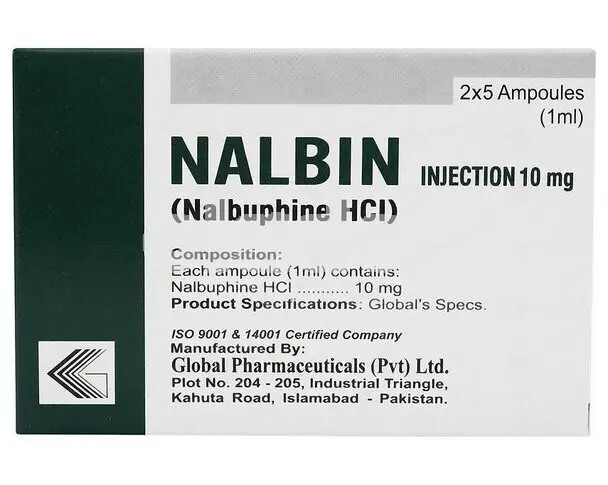
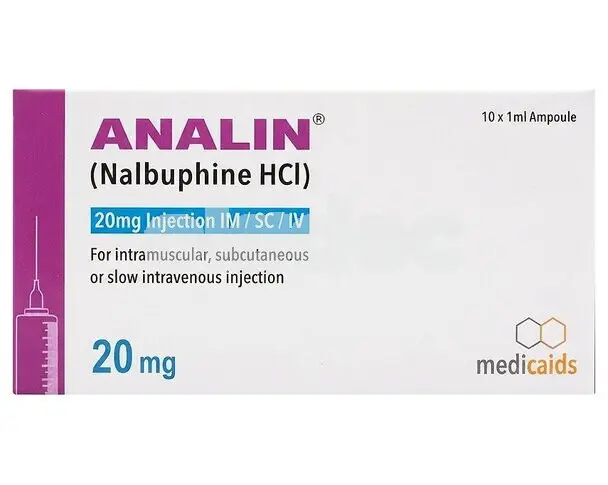
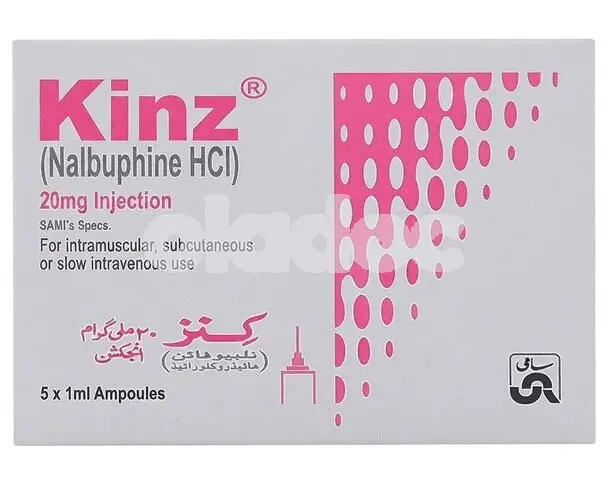
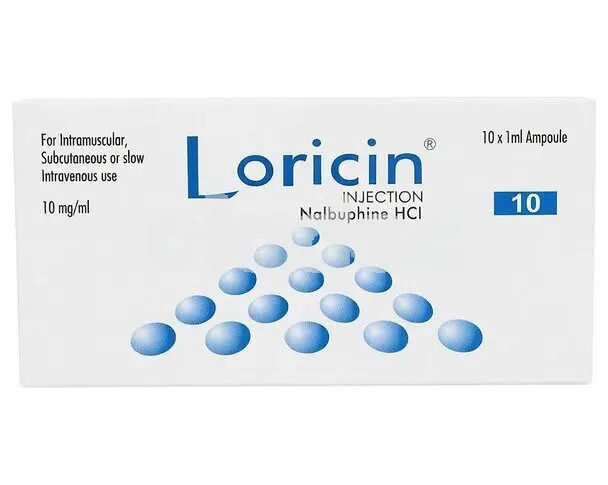
About Nalbuphine Injection 10mg
An opioid injection used in hospitals to relieve moderate to severe pain during and after surgery.
Nalbuphine Injection Uses
- Relieves moderate to severe pain after surgery
- Manages pain during labor and delivery
- Controls pain from injuries, burns, or cancer
- Used as a supplement to balanced anesthesia during surgical procedures
- Reduces itching caused by other opioid medicines
Nalbuphine Injection Benefits
- Provides fast pain relief within minutes of injection
- Carries a lower risk of severe respiratory depression compared to pure opioid agonists
- Has a ceiling effect that limits breathing suppression at higher doses
- Causes less potential for misuse than many other opioid pain relievers
- Works well alongside general anesthesia during major operations
What Experts Say
Nalbuphine is a synthetic opioid that acts as a mixed agonist-antagonist at opioid receptors. It binds strongly to kappa opioid receptors to produce analgesia and sedation, while acting as a partial antagonist at mu opioid receptors, the site linked to the strongest pain relief and the highest risk of breathing suppression.
Because mu receptor activity is limited, Nalbuphine shows a ceiling effect on respiratory depression. Increasing the dose beyond a certain point does not further suppress breathing the way pure mu agonists do, which makes dosing more predictable in patients who need repeated analgesia during labor or after major surgery.
The mu antagonist activity means Nalbuphine can trigger withdrawal symptoms in patients who are already dependent on pure opioid agonists. Clinicians assess a patient's opioid history before administration and adjust the dose carefully in opioid-tolerant individuals to avoid sudden withdrawal or inadequate pain control.
Drug Class
- Opioid analgesic, mixed agonist-antagonist
Nalbuphine Injection 10mg Uses in Urdu
- سرجری کے بعد شدید درد میں آرام کے لیے
- زچگی کے دوران درد کم کرنے کے لیے
- حادثات، جلنے یا کینسر کے درد پر قابو پانے کے لیے
- بڑی سرجری کے دوران بے ہوشی کی دوا کے ساتھ استعمال کے لیے
- دیگر افیونی ادویات سے ہونے والی خارش کم کرنے کے لیے
Nalbuphine Injection 10mg formula
How to use Nalbuphine Injection 10mg?
- Administered by a doctor or nurse in a hospital or clinical setting only
- Given by IV, IM, or SC injection depending on the clinical situation
- Typical adult dose is 10mg to 20mg per injection, repeated every 3 to 6 hours as needed
- Maximum single dose usually does not exceed 20mg, with a daily limit set by the treating doctor
- Dose adjusted for body weight, age, and kidney or liver function
- Not intended for self administration or home use
Drug Interactions
- Other Opioid Analgesics: Can reduce their pain relieving effect and may trigger withdrawal in patients already using pure opioid agonists
- Benzodiazepines and Sedatives: Combined use increases the risk of severe drowsiness, slowed breathing, coma, and death
- Alcohol: Increases sedation and the risk of dangerous respiratory depression
- Monoamine Oxidase Inhibitors: May cause unpredictable and severe reactions, so use is generally avoided within 14 days of MAOI therapy
- Other CNS Depressants: Muscle relaxants, antihistamines, and general anesthetics can add to sedative and breathing suppressing effects
Risks and warnings
- Respiratory Depression: Can slow or suppress breathing, especially with higher doses or when combined with other sedating drugs
- Opioid Dependence: Repeated use over time can lead to physical dependence and withdrawal symptoms if stopped suddenly
- Opioid Tolerant Patients: Can precipitate sudden withdrawal in patients already dependent on pure opioid agonists due to its antagonist activity
- CNS Depression: Causes drowsiness and impaired alertness, so patients should avoid driving or operating machinery after use
- Pregnancy and Breastfeeding: Used only when clearly needed during labor, under close medical supervision
Nalbuphine Injection Side Effects
- Drowsiness or sedation
- Dizziness or lightheadedness
- Nausea and vomiting
- Sweating
- Headache
- Dry mouth
- Slow or shallow breathing
- Low blood pressure
- Confusion or unusual thoughts
- Allergic reactions such as rash, itching, or swelling
Storage Conditions
- Store below 25°C, away from direct sunlight and heat
- Keep ampoules in their original box until ready to use
- Protect from freezing
- Keep out of reach of children
- Dispose of used or damaged ampoules through proper hospital sharps disposal, not household trash