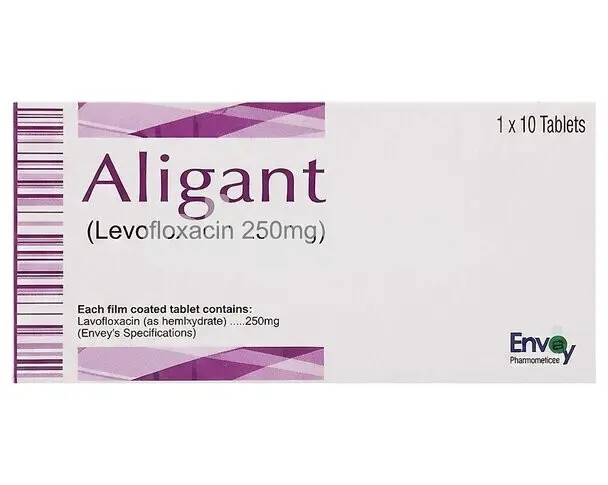
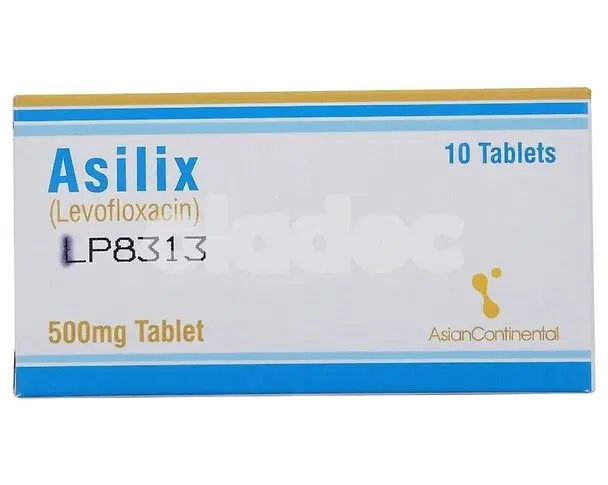
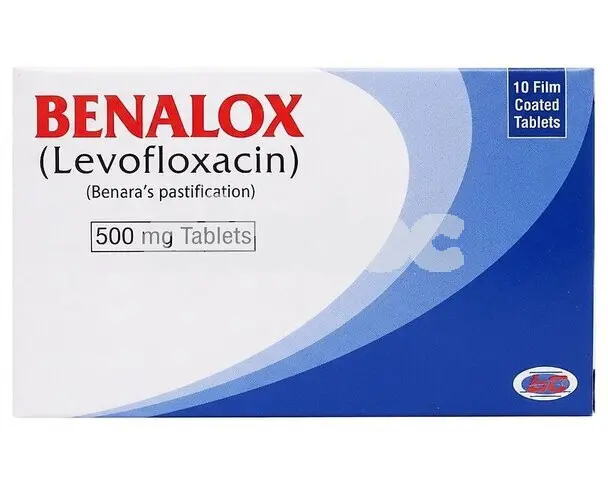
About Medac tablet 500mg
Levofloxacin 500mg tablet for bacterial infections like UTIs, pneumonia, and skin infections.
Medac tablet 500mg contains levofloxacin, a fluoroquinolone antibiotic. Doctors prescribe it for a wide range of bacterial infections across Pakistan.
Medac Tablet 500mg Uses
- Urinary tract infections (UTIs), common in Pakistan's hot climate due to low fluid intake
- Community acquired pneumonia and acute bronchitis
- Acute bacterial sinusitis
- Skin and soft tissue infections
- Chronic bacterial prostatitis
- Complicated UTIs and kidney infections (pyelonephritis)
This medicine only works against bacteria. It has no effect on viral infections like flu or dengue, both common in Lahore, Karachi, Islamabad, and Rawalpindi during monsoon season.
Medac Tablet 500mg Uses in Urdu
- پیشاب کی نالی کے انفیکشن کے علاج کے لیے
- سینے اور پھیپھڑوں کے بیکٹیریل انفیکشن میں
- ناک اور سائنس کے انفیکشن کے لیے
- جلد اور نرم بافتوں کے انفیکشن میں
- پروسٹیٹ کے دائمی انفیکشن کے لیے
- گردوں کے شدید انفیکشن کی صورت میں
Medac tablet 500mg formula
How to use Medac tablet 500mg?
- Patients should take Medac 500mg exactly as prescribed, usually once daily for 7 to 14 days depending on the infection.
- The tablet works well on an empty stomach, though food does not significantly reduce its effect.
- A full glass of water should accompany each dose to protect the kidneys.
- Antacids, calcium, iron, or zinc supplements should be spaced at least 2 hours apart from this tablet since they block absorption.
- The complete course must be finished even if symptoms improve within a few days.
- Doses should never be doubled if one is missed. The next dose should simply continue on schedule.
Drug Interactions
- Antacids: Products containing aluminum or magnesium reduce absorption of this tablet when taken together.
- Iron and calcium supplements: These common Pakistani multivitamin ingredients also block absorption when taken at the same time.
- Warfarin: This tablet can increase the blood thinning effect of warfarin, raising bleeding risk.
- NSAIDs: Combining this tablet with painkillers like ibuprofen may raise the risk of seizures.
- Corticosteroids: Steroid use alongside this tablet raises the chance of tendon rupture.
- Diabetes medicines: Blood sugar levels may swing higher or lower when combined with insulin or oral diabetes drugs.
Risks and warnings
- Tendon damage: This medicine carries a risk of tendon inflammation and rupture, especially in people over 60, athletes, or steroid users.
- Heart rhythm changes: Levofloxacin can affect heart rhythm (QT prolongation) in patients with existing heart conditions.
- Nerve damage: Long term or repeated use may cause peripheral neuropathy, felt as tingling or numbness in the hands and feet.
- Nervous system effects: Dizziness, confusion, or seizures are possible, particularly in older adults or people with epilepsy.
- Kidney function: Patients with reduced kidney function need a lower dose, common in Pakistan's older diabetic population.
- Sun sensitivity: This tablet increases skin sensitivity to sunlight, relevant during Pakistan's long, intense summer months.
- Pregnancy and breastfeeding: This medicine is generally avoided unless the treating doctor considers it necessary.
Side Effects
- Nausea and stomach upset
- Diarrhea
- Headache
- Dizziness or lightheadedness
- Trouble sleeping
- Mild skin rash
- Tendon pain or swelling
- Numbness or tingling in hands and feet
- Irregular heartbeat
- Severe diarrhea from Clostridioides difficile infection
- Signs of an allergic reaction such as facial swelling or difficulty breathing
Storage Conditions
This tablet should be stored below 30°C in a dry place, away from direct sunlight and moisture. It should be kept out of reach of children in its original packaging.