About Myteka Tablet 10mg
Myteka is a tablet used to prevent asthma attacks and relieve symptoms of allergic rhinitis.
Myteka Tablet Uses
- Prophylaxis and long-term treatment of chronic asthma in adults and children above 2 years
- Prevention of daytime and nighttime asthma symptoms
- Prevention of exercise-induced bronchoconstriction (exercise-induced asthma)
- Seasonal allergic rhinitis (hay fever) in adults and children above 2 years
- Perennial allergic rhinitis in adults and children above 6 months
- Relief of symptoms associated with allergic rhinitis including sneezing, runny nose, nasal congestion, and watery or itchy eyes
- Adjunctive therapy for patients with asthma who also have allergic rhinitis
Drug Class
- Leukotriene Receptor Antagonist (LTRA)
How Does Myteka Work?
Myteka contains Montelukast Sodium, which works by selectively blocking leukotriene receptors in the airways and nasal passages. Leukotrienes are inflammatory chemicals released by the immune system in response to allergens such as pollen, dust, and animal dander. When leukotrienes bind to their receptors, they cause the airways to tighten, produce excess mucus, and become inflamed.
By blocking these receptors, Montelukast reduces airway inflammation, decreases mucus production, and prevents bronchoconstriction. The result is fewer asthma attacks, reduced allergy symptoms, and improved breathing. Unlike bronchodilators, Myteka does not provide immediate relief during an acute attack. It works as a preventive medicine and must be taken daily for ongoing protection.
When Not to Use Myteka
Myteka should not be taken if any of the following apply:
- Known allergy or hypersensitivity to Montelukast Sodium or any ingredient in the tablet
- Active acute asthma attack requiring immediate bronchodilator use
- Patients with phenylketonuria, as chewable tablet formulations may contain phenylalanine
- History of serious neuropsychiatric reactions to Montelukast or any leukotriene receptor antagonist
- Patients with mild allergic rhinitis symptoms where alternative therapies are available and suitable
Packaging and Quantity
- 1 pack contains 2 strips
- 1 strip contains 7 tablets
- 14 tablets per pack
Myteka Tablet Uses in Urdu
Myteka کو درج ذیل حالات میں استعمال کیا جاتا ہے:
- دمہ (Asthma) کے دوروں کی روکتھام اور طویل مدتی علاج
- ورزش کی وجہ سے سانس کی تنگی کی روکتھام
- موسمی الرجی (Hay Fever) کی علامات جیسے چھینکیں، ناک بہنا، اور آنکھوں میں خارش
- سال بھر رہنے والی الرجک ناک کی سوزش (Perennial Allergic Rhinitis)
- دمہ اور الرجی دونوں کے ساتھ مبتلا مریضوں کا اضافی علاج
Myteka Tablet 10mg formula
Available forms
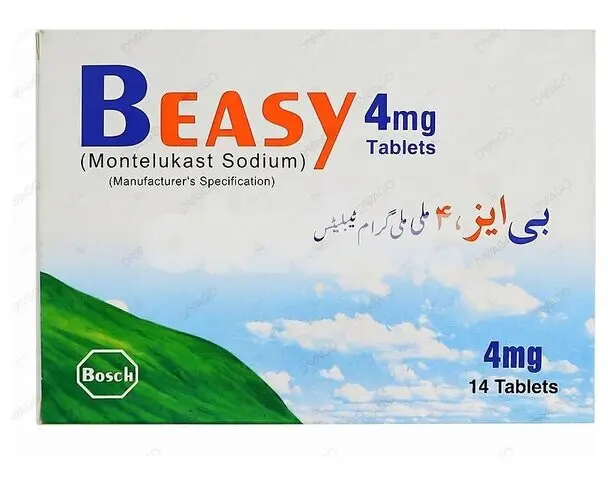
- Tablet
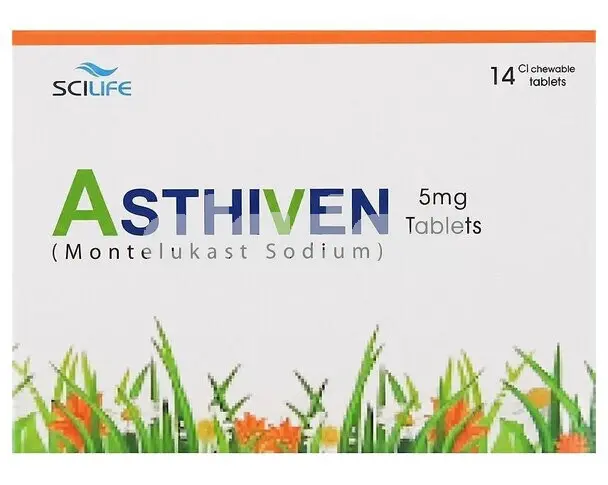
- Chewable Tablet
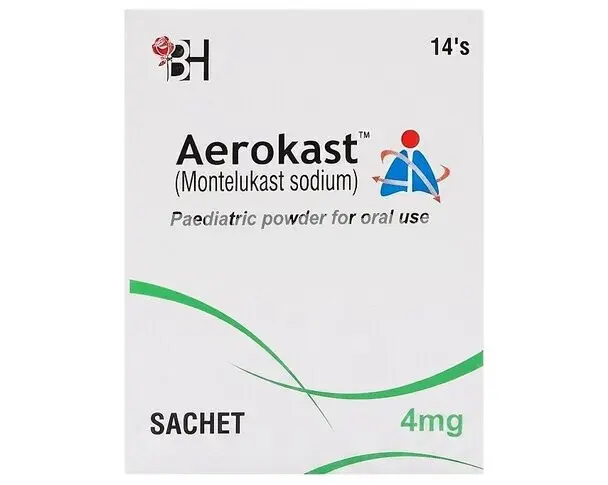
- Granules/Sachet
How to use Myteka Tablet 10mg?
- This tablet should be swallowed whole with a full glass of water.
- Myteka should be taken once daily in the evening for asthma and perennial allergic rhinitis.
- For exercise-induced bronchoconstriction, the tablet should be taken at least 2 hours before physical activity.
- A second dose should not be taken within the same 24-hour period.
- The tablet may be taken with or without food.
- Myteka should be taken every day as prescribed, even when no symptoms are present.
- A doctor should be informed immediately if mood changes, sleep problems, or unusual behavior are noticed.
- Myteka does not provide immediate relief during an acute asthma attack. A rescue inhaler should always be available for acute symptoms.
Drug Interactions
All current medicines, supplements, and herbal products should be disclosed to the prescribing doctor before starting Myteka. Key interactions include:
- Phenobarbital: this anticonvulsant induces CYP enzymes in the liver and can significantly reduce Montelukast blood levels, making it less effective
- Rifampicin: this antibiotic is a strong enzyme inducer and may reduce the plasma concentration of Montelukast
- Carbamazepine: another anticonvulsant that can reduce Montelukast levels through enzyme induction
- Gemfibrozil: this lipid-lowering drug inhibits CYP2C8 and can increase Montelukast blood levels
- Itraconazole and other strong CYP3A4 inhibitors: may increase Montelukast plasma levels
- Warfarin: Montelukast may affect prothrombin time in patients on anticoagulant therapy; close monitoring is advised
Food Interactions
- Grapefruit juice: may inhibit drug metabolism enzymes and slightly increase Montelukast blood levels; routine avoidance is not required but excessive consumption should be avoided
Risks and warnings
1. Neuropsychiatric Events (FDA Boxed Warning)
- The FDA has issued a boxed warning for Montelukast due to the risk of serious neuropsychiatric events, including suicidal thoughts and actions, depression, aggression, hallucinations, and sleep disturbances.
- These events have been reported in adults, adolescents, and children taking Montelukast.
- The FDA recommends that Myteka should not be prescribed for mild allergic rhinitis symptoms where safer alternatives are available.
- Patients and caregivers should be informed of this risk before starting treatment. Any behavioral changes, mood shifts, or sleep disturbances should be reported to a doctor immediately.
- Neuropsychiatric events have been reported after discontinuation of Montelukast as well. Monitoring should continue briefly after stopping the medicine.
2. Not for Acute Asthma Attacks
- Myteka is a preventive medicine and must not be used to treat sudden or acute asthma attacks.
- A short-acting bronchodilator rescue inhaler should always be kept available for acute symptoms.
- If a patient requires more frequent use of their rescue inhaler, a doctor should be consulted promptly.
3. Churg-Strauss Syndrome
- In rare cases, a serious condition called Churg-Strauss syndrome has been reported in patients taking Montelukast, particularly when oral corticosteroid doses are being reduced.
- Symptoms include flu-like illness, worsening breathing, sinus pain or bleeding, and a skin rash.
- A doctor should be contacted immediately if any of these symptoms appear.
4. Liver Disease
- Montelukast is metabolized by the liver. Patients with severe liver impairment should use Myteka with caution.
- Liver function should be monitored in patients with known liver disease.
- The medicine should be stopped and a doctor contacted if signs of liver damage appear, such as yellowing of the eyes or skin.
5. Pregnancy and Breastfeeding
- Myteka is classified as pregnancy category B. Animal studies have not shown harm to the fetus, but adequate human studies are not available.
- Myteka should only be used during pregnancy if the prescribing doctor determines the benefit clearly outweighs the risk.
- Montelukast may pass into breast milk. A doctor should be consulted before taking Myteka while breastfeeding.
6. Phenylketonuria
- Chewable tablet formulations of Montelukast contain phenylalanine and should not be used in patients with phenylketonuria.
- The standard film-coated tablet (Myteka 10mg) does not contain phenylalanine and may be used.
7. Steroid Reduction
- Myteka should not be used as a substitute for inhaled or oral corticosteroids.
- Corticosteroid doses should not be reduced suddenly when starting Montelukast, as this can precipitate Churg-Strauss syndrome or worsening asthma.
- Any steroid reduction must be done gradually and only under direct medical supervision.
Precautions
- Myteka should be taken daily without interruption, even when symptoms are not present.
- Patients with a history of psychiatric illness should be assessed carefully before starting Montelukast.
- Children and adolescents taking Myteka should be monitored closely for behavioral or mood changes throughout treatment.
- Patients should not stop Myteka suddenly without consulting their doctor.
- Driving or operating heavy machinery should be avoided if Myteka causes dizziness or drowsiness.
- A doctor should be consulted if asthma symptoms do not improve within the first few weeks of treatment.
Myteka Tablet Side Effects
Most patients tolerate Myteka well at the prescribed dose. Side effects are generally mild and tend to improve with continued use.
Common Side Effects
- Headache
- Stomach pain or abdominal discomfort
- Nausea or diarrhea
- Fever
- Upper respiratory tract infection
- Cough
- Dizziness
- Fatigue
- Skin rash
Serious Side Effects
Medical attention should be sought immediately if any of the following occur:
- Mood or behavior changes such as agitation, aggression, anxiety, or unusual irritability
- Depression or worsening of existing depression
- Sleep disturbances including insomnia, vivid dreams, or nightmares
- Suicidal thoughts or self-harming behavior
- Hallucinations or confusion
- Tremor or restlessness
- Signs of a serious allergic reaction such as facial swelling, difficulty breathing, or severe skin rash
- Liver-related symptoms such as yellowing of the skin or eyes, dark urine, or severe upper abdominal pain
- Symptoms of Churg-Strauss syndrome such as flu-like illness, worsening breathing, severe sinusitis, or a rash, particularly when oral steroid doses are being reduced
Storage Conditions
- Store at room temperature, below 30°C.
- Keep away from direct sunlight, heat, and moisture.
- Store in the original packaging to protect from humidity.
- Keep out of reach and sight of children.
- Do not use after the expiry date printed on the packaging.
- Do not store in the bathroom or near a kitchen sink.