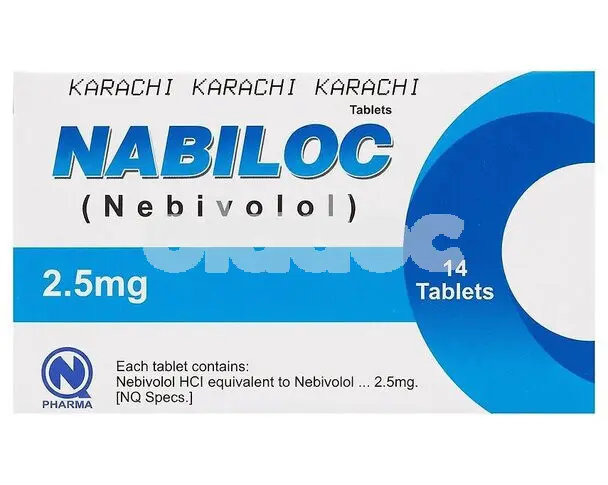
About Nabiloc Tablet 2.5mg
A beta blocker tablet used to control high blood pressure and ease strain on the heart.
Nabiloc Tablet Uses
- Managing high blood pressure (hypertension)
- Supporting treatment of stable chronic heart failure in appropriate patients
- Reducing strain on the heart in long term blood pressure control
- Lowering the risk of stroke and heart related complications linked to uncontrolled hypertension
Nabiloc Tablet Benefits
- Selectively blocks beta-1 receptors, reducing effect on the lungs compared to older beta blockers
- Helps slow the heart rate and reduce the workload on the heart
- Once daily dosing supports easier long term routine
- Can be combined with other blood pressure medicines under medical supervision
What Experts Say
Physicians commonly prescribe beta blockers like nebivolol for patients whose blood pressure remains high despite lifestyle changes such as reduced salt intake and regular exercise. Nebivolol is considered a selective beta-1 blocker, which means it has less impact on the lungs compared to older, non-selective beta blockers, making it a suitable option for many patients.
Cardiologists often note that consistent blood pressure control lowers long term risk of stroke, heart attack and kidney damage. Beta blockers such as nebivolol are frequently used alongside other classes like ACE inhibitors or diuretics when blood pressure is not controlled by a single medicine, and dosing is usually started low and adjusted gradually.
Doctors generally caution patients against stopping beta blockers abruptly, since sudden discontinuation can cause a rebound rise in heart rate and blood pressure. Any dose changes should be made gradually and only under medical guidance, with regular follow up visits to check blood pressure and pulse.
Drug Class
- Beta-1 selective adrenergic blocker
- Antihypertensive agent
Nabiloc Tablet 2.5mg Uses in Urdu
- ہائی بلڈ پریشر کو قابو میں رکھنے کے لیے
- دل کی کمزوری کے علاج میں مدد کے لیے
- دل پر پڑنے والا دباؤ کم کرنے کے لیے
- فالج اور دل کے امراض کے خطرے کو کم کرنے کے لیے
Nabiloc Tablet 2.5mg formula
How to use Nabiloc Tablet 2.5mg?
- Take the tablet once daily at the same time each day
- Swallow the tablet whole with a glass of water
- May be taken with or without food
- Do not stop taking suddenly without consulting a doctor
- Take exactly as prescribed based on blood pressure response
Drug Interactions
- Calcium Channel Blockers: Combining with drugs like verapamil or diltiazem can excessively slow heart rate and lower blood pressure.
- Other Antihypertensives: Using alongside other blood pressure lowering drugs can increase the risk of hypotension.
- Antiarrhythmic Drugs: Combining with certain heart rhythm medicines may increase the risk of slow heart rate.
- Insulin and Diabetes Medicines: Beta blockers can mask common symptoms of low blood sugar such as a fast heartbeat.
Risks and warnings
- Heart Conditions: Should be used with caution in patients with certain heart rhythm problems or severe heart block.
- Abrupt Discontinuation: Stopping suddenly can cause a rebound increase in heart rate and blood pressure, especially in patients with existing heart disease.
- Liver Impairment: Dose adjustment may be needed in patients with moderate liver impairment.
- Asthma or Breathing Conditions: Should be used cautiously in patients with a history of bronchospasm or severe asthma.
- Pregnancy and Breastfeeding: Should only be used if clearly advised by a doctor, as beta blockers can affect fetal growth.
Nabiloc Tablet Side Effects
- Dizziness or lightheadedness
- Fatigue or general weakness
- Headache
- Nausea or upset stomach
- Slow heart rate
- Cold hands and feet
- Trouble sleeping
- Low blood pressure in some patients
Storage Conditions
- Store at room temperature away from direct sunlight
- Keep the tablets in their original blister pack until use
- Protect from moisture and excess heat
- Keep out of reach of children