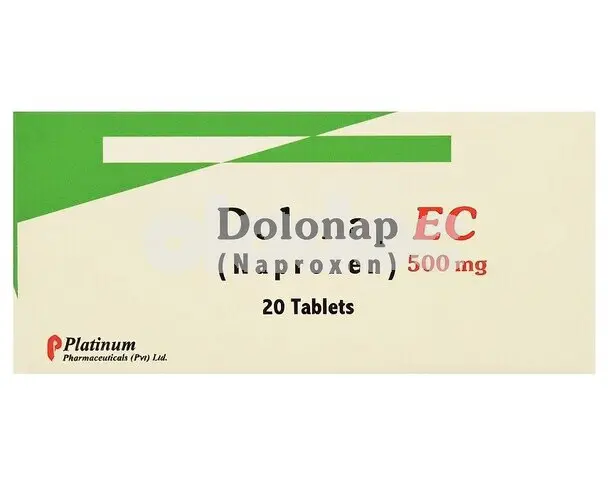
About Naprin Tablet 500mg
Fast, long-lasting relief from joint pain, muscle aches, and swelling that keeps you moving through the day.
Naprin Uses
- Osteoarthritis pain and stiffness
- Rheumatoid arthritis
- Ankylosing spondylitis
- Acute gout attacks
- Menstrual cramps (dysmenorrhea)
- Mild to moderate pain from injuries, sprains, or dental procedures
Naprin Benefits
- Provides long-lasting pain relief with twice-daily dosing
- Reduces joint swelling and morning stiffness
- Helps you return to daily activities faster after minor injuries
- Available at an affordable price compared to other NSAIDs
What Experts Say
Naproxen works by blocking cyclooxygenase enzymes called COX-1 and COX-2. These enzymes produce prostaglandins, chemicals that trigger pain, swelling, and fever in the body. By lowering prostaglandin levels, naproxen reduces inflammation at its source rather than just masking discomfort.
Doctors commonly prescribe naproxen for chronic joint conditions like osteoarthritis and rheumatoid arthritis because its effects last around 12 hours, allowing twice-daily dosing instead of four or five doses a day. Physicians also use it for acute gout flares and post-injury pain, usually at the lowest effective dose for the shortest duration.
Hot, humid weather often worsens joint pain for people with arthritis, leading many households to keep an NSAID tablet on hand for quick relief. Buying painkillers directly from a pharmacy counter without a prescription is common, but using naproxen for more than a few days without medical advice can quietly harm the stomach lining or kidneys.
Drug Class
- Nonsteroidal anti-inflammatory drug (NSAID)
Naprin Uses in Urdu
- ناپرن جوڑوں کے درد اور سوجن کو کم کرنے کے لیے استعمال ہوتی ہے۔
- یہ گٹھیا اور کمر درد میں سکون پہنچانے کے لیے دی جاتی ہے۔
- ماہواری کے دوران ہونے والے درد میں آرام کے لیے تجویز کی جاتی ہے۔
- یہ موچ یا معمولی چوٹ کے بعد درد کم کرنے میں مدد دیتی ہے۔
Naprin Tablet 500mg formula
How to use Naprin Tablet 500mg?
- Take Naprin tablet with food or milk to reduce stomach upset.
- Swallow the tablet whole with a full glass of water.
- Take the lowest effective dose for the shortest time needed.
- Avoid lying down for at least 10 minutes after taking the tablet.
Drug Interactions
- Aspirin and other NSAIDs: Combining Naprin with other NSAIDs or aspirin increases the risk of stomach bleeding.
- Blood thinners: Naproxen taken with warfarin or similar anticoagulants raises the risk of serious bleeding.
- Blood pressure medicines: Naproxen can reduce the effectiveness of ACE inhibitors and diuretics and may worsen kidney function when combined.
- Lithium: Naproxen can raise lithium levels in the blood, increasing the risk of lithium toxicity.
Risks and warnings
- Stomach bleeding: Long-term use of naproxen can cause stomach ulcers or bleeding, especially in people over 60 years old.
- Kidney function: Naproxen can reduce blood flow to the kidneys and worsen kidney function in dehydrated patients or those with existing kidney disease.
- Heart risk: NSAIDs like naproxen can raise the risk of heart attack or stroke with prolonged use, particularly in people with high blood pressure or heart disease.
- Pregnancy caution: Naproxen should be avoided in the third trimester of pregnancy as it can affect the baby's heart and reduce amniotic fluid.
- Asthma sensitivity: People with aspirin-sensitive asthma may experience breathing difficulty after taking naproxen.
Naprin Side Effects
- Heartburn or indigestion
- Nausea
- Stomach pain
- Dizziness
- Headache
- Fluid retention or swelling in the ankles
- Ringing in the ears
- Skin rash
Storage Conditions
- Store Naprin tablets at room temperature, away from heat and moisture.
- Keep the strip in its original packaging until use.
- Protect from direct sunlight.
- Keep out of reach of children.