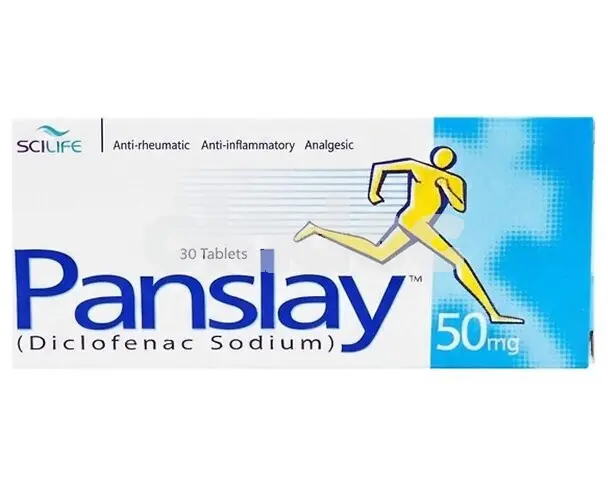
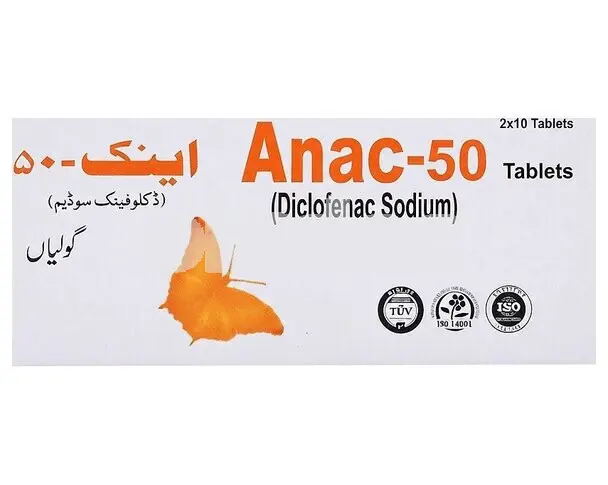
About Panslay Tablet 50mg
An NSAID tablet that relieves pain, swelling and inflammation from arthritis, injuries and strains.
Panslay Tablet 50mg Uses
- Osteoarthritis pain and stiffness
- Rheumatoid arthritis inflammation
- Ankylosing spondylitis
- Acute gout attacks
- Post operative and post traumatic pain
- Dental pain
- Menstrual cramps (dysmenorrhea)
- Migraine attacks
- Soft tissue injuries such as sprains and strains
Panslay Tablet 50mg Benefits
- Reduces pain within a short time of intake
- Controls swelling and joint stiffness in arthritis
- Helps patients regain mobility after injury or surgery
- Lowers fever associated with inflammatory conditions
- Available at an affordable price compared to newer NSAIDs
What Experts Say
Diclofenac Sodium belongs to a group of medicines called non steroidal anti inflammatory drugs, commonly known as NSAIDs. It works by blocking an enzyme called cyclooxygenase, which the body uses to produce prostaglandins that drive pain, inflammation and fever. Its analgesic effect is generally noticeable within thirty to sixty minutes of oral intake.
Clinical experts caution that diclofenac carries a well documented risk profile alongside its benefits. Like other NSAIDs, it can irritate the stomach lining and, with prolonged use, may lead to ulcers or gastrointestinal bleeding, particularly in older adults. Regulatory reviews have also linked long term NSAID use to a modestly increased risk of heart attack and stroke.
Because diclofenac interacts with several common medicines, experts recommend a careful review of a patient's full medical history before starting treatment. Taking the tablet with food helps reduce stomach irritation, and pregnant women are generally advised to avoid it in the third trimester unless directed by a physician.
Drug Class
- Non Steroidal Anti Inflammatory Drug (NSAID)
- COX-1 and COX-2 Inhibitor
Panslay Tablet 50mg Uses in Urdu
- جوڑوں کے درد اور سوجن میں آرام کے لیے
- گٹھیا اور اوسٹیوآرتھرائٹس کی تکلیف میں
- ماہواری کے درد میں
- دانت کے درد میں
- سر درد اور مائیگرین میں
- موچ اور چوٹ کے بعد درد میں
- آپریشن کے بعد ہونے والے درد میں
Panslay Tablet 50mg formula
How to use Panslay Tablet 50mg?
- Take Panslay Tablet 50mg with food or milk to reduce stomach irritation.
- Swallow the tablet whole with a full glass of water.
- Do not crush or chew the tablet.
- Use the lowest effective dose for the shortest duration needed.
- Follow the dose and duration advised by your doctor.
Drug Interactions
- Aspirin and Other NSAIDs: Combined use increases the risk of stomach bleeding and ulcers.
- Warfarin and Blood Thinners: Diclofenac can increase bleeding risk when taken with anticoagulants.
- ACE Inhibitors and ARBs: Diclofenac may reduce their blood pressure lowering effect and increase kidney risk.
- Diuretics: Effectiveness of water pills may be reduced, and combined use raises the risk of kidney impairment.
- Lithium: Diclofenac can raise blood lithium levels, leading to toxicity.
- Methotrexate: Diclofenac may increase methotrexate levels and the risk of toxicity.
- Corticosteroids: Combined use raises the risk of gastrointestinal ulceration and bleeding.
Risks and warnings
- Gastrointestinal Risk: Diclofenac can cause stomach ulcers, bleeding or perforation, especially with long term use or in patients with a history of ulcers.
- Cardiovascular Risk: NSAIDs including diclofenac may increase the risk of heart attack or stroke, particularly with prolonged use or high doses.
- Kidney Function: Use with caution in patients with kidney disease, dehydration or those taking diuretics, as diclofenac can worsen kidney function.
- Liver Function: Diclofenac has been linked to liver enzyme elevation and rare cases of liver injury, requiring monitoring in long term use.
- Pregnancy: Avoid diclofenac in the third trimester of pregnancy due to risk of premature closure of the fetal ductus arteriosus.
- Asthma and Allergy: Patients with aspirin sensitive asthma may experience bronchospasm or allergic reactions with diclofenac.
Panslay Tablet 50mg Side Effects
- Stomach pain or discomfort
- Nausea and vomiting
- Heartburn and indigestion
- Diarrhea or constipation
- Headache and dizziness
- Skin rash or itching
- Fluid retention and swelling in the ankles
- Raised blood pressure
- Gastrointestinal bleeding or ulcers
- Liver enzyme elevation
- Ringing in the ears (tinnitus)
Storage Conditions
- Store below 30°C in a cool, dry place.
- Protect from direct sunlight and moisture.
- Keep the tablets in their original blister pack until use.
- Keep out of reach of children.