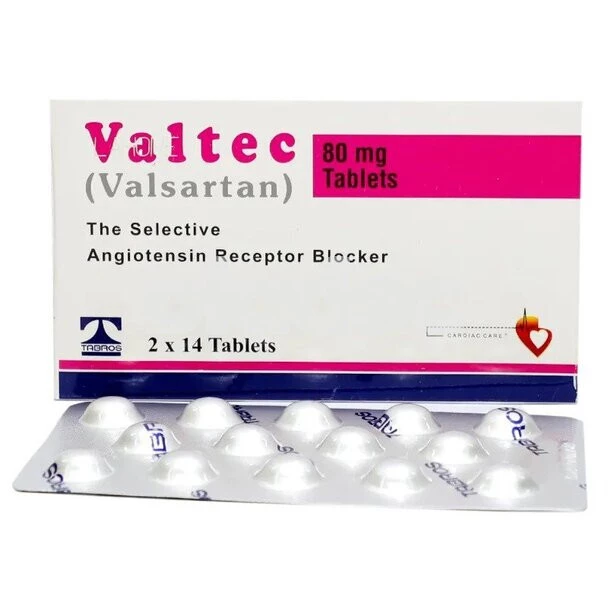
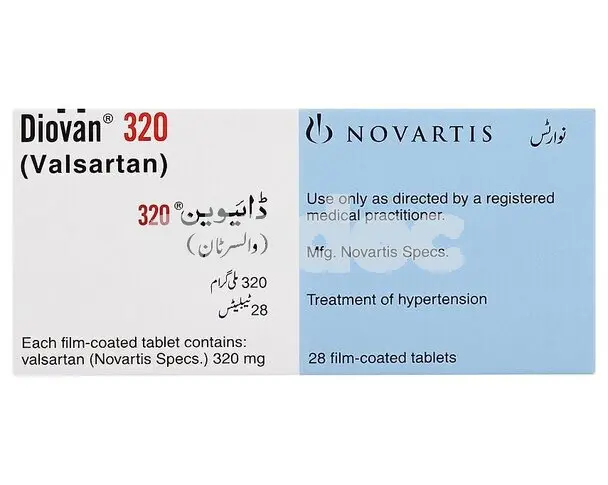
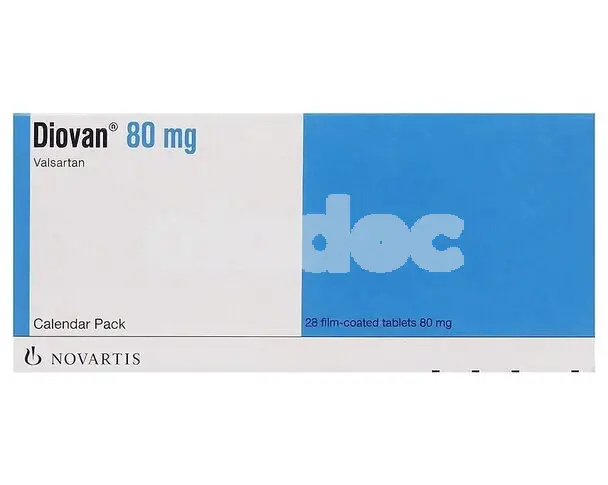
About Valtec Tablet 80mg
Valtec is an angiotensin II receptor blocker used to treat high blood pressure and manage heart failure.
Valtec Tablet Uses
- Treatment and control of high blood pressure (hypertension) in adults.
- Management of heart failure (NYHA class II-IV) in patients intolerant to ACE inhibitors.
- Reduction of mortality and morbidity after myocardial infarction.
- Protection of kidney function in patients with diabetes and hypertension.
Valtec Tablet Benefits
- Effectively lowers blood pressure and reduces cardiovascular disease risk.
- Improves heart function and reduces strain on the cardiovascular system.
- Provides kidney protection in diabetic and hypertensive patients.
- Can be taken with or without food, offering flexibility in dosing.
- Generally well-tolerated with fewer side effects compared to other antihypertensive classes.
What Experts Say
Valsartan is an angiotensin II receptor antagonist (ARB) that selectively blocks angiotensin II receptors on blood vessel smooth muscle and other tissues. By blocking this receptor, valsartan prevents vasoconstriction and reduces aldosterone secretion, leading to vasodilation and lower blood pressure.
The drug is effective in reducing blood pressure in both supine and standing positions with minimal orthostatic hypotension. Valsartan does not inhibit the enzyme ACE, which metabolizes bradykinin, making it a suitable alternative for patients who develop cough with ACE inhibitors.
Peak plasma concentration occurs within 2 to 4 hours of oral administration. Valsartan is eliminated primarily through biliary excretion, with a half-life of approximately 6 hours. The antihypertensive effect is achieved within 2 weeks, with maximum effect at 4 weeks of continuous therapy.
Drug Class
- Angiotensin II Receptor Blocker (ARB)
Packaging and Quantity
- Blister pack containing 28 tablets.
When Not to Use Valtec
- Known allergy or hypersensitivity to valsartan or other ARB medications.
- Pregnancy or planning to become pregnant; valsartan may harm the fetus.
- Severe kidney or liver disease without dose adjustment.
- Concurrent use with aliskiren in patients with diabetes.
Valtec Tablet Uses in Urdu
Valtec Tablet ہائی بلڈ پریشر (ہائی بلڈ پریشر) کے علاج کے لیے استعمال ہونے والی ایک اینٹی ہائپرٹینسی دوا ہے۔ یہ Valsartan، ایک انجیوٹینسن II ریسیپٹر بلاکر (ARB) پر مشتمل ہے جو خون کی نالیوں کو آرام دے کر بلڈ پریشر کو کم کرنے میں مدد کرتا ہے۔
Valtec Tablet 80mg formula
How to use Valtec Tablet 80mg?
- Swallow the tablet whole with a glass of water.
- Take at the same time each day for consistent blood pressure control.
- Can be taken with or without food.
- Do not stop taking without consulting your doctor.
- Monitor blood pressure regularly as directed by your physician.
- Take one 80mg tablet once daily or as prescribed by your doctor.
Drug Interactions
Valsartan may interact with several medications that affect blood pressure and kidney function:
- ACE inhibitors: Concurrent use increases risk of hyperkalemia, hypotension, and renal impairment.
- Potassium supplements and diuretics: May increase serum potassium levels; monitor regularly.
- NSAIDs: May reduce the antihypertensive effect and increase renal dysfunction risk.
- Lithium: Valsartan may increase lithium levels, risking toxicity.
- Aliskiren: Concurrent use contraindicated in diabetic patients due to hyperkalemia risk.
Risks and warnings
- Pregnancy: Valsartan may cause fetal harm; do not use if pregnant or planning pregnancy.
- Breastfeeding: Valsartan passes into breast milk; consult physician before use.
- Hyperkalemia: Monitor serum potassium, especially in patients with kidney disease or diabetes.
- Renal impairment: May worsen kidney function; dose adjustment necessary in severe cases.
- Hypotension: May cause excessive blood pressure lowering; monitor regularly.
- Liver disease: Use with caution; dose adjustment may be needed.
- Angioedema: Rare but serious risk; seek immediate attention if swelling of face, lips, or tongue occurs.
Valtec Tablet Side Effects
Most patients tolerate Valtec well. Common side effects are usually mild and transient, diminishing with continued use.
- Dizziness or lightheadedness.
- Headache.
- Fatigue or weakness.
- Cough (less common than with ACE inhibitors).
- Mild gastric discomfort.
Effects that call for prompt medical attention are less common but include:
- Severe dizziness, fainting, or syncope.
- Chest pain or palpitations.
- Severe hyperkalemia symptoms including muscle weakness or irregular heartbeat.
- Severe allergic reactions including angioedema or difficulty breathing.
Storage Conditions
- Store at room temperature between 15°C and 25°C.
- Keep away from direct sunlight and heat.
- Store in a cool, dry place away from moisture.
- Keep in the original blister pack or container.
- Keep out of reach of children and pets.
- Do not use after the expiration date printed on the packaging.