




Headache, toothache, body ache, period cramps. Pakistan’s medicine cabinets tend to have the same five or six names in them, and most people default to whichever one is closest at hand rather than the one actually suited to their pain.
This guide compares the five most well known pain killer brands sold in Pakistan, what each one is actually built for, and which one fits which kind of pain.
Table of Contents
Quick Answer
Panadol, Brufen, Disprin, Ponstan, and Voltral are the five most well known pain killer tablets in Pakistan. Panadol (paracetamol) is the safest general choice for everyday pain and fever, Brufen and Voltral (ibuprofen and diclofenac) work better for inflammation and swelling, Ponstan is commonly used for period pain, and Disprin (aspirin) works fast for headaches and mild pain. None of them are meant for daily long-term use without medical advice, and persistent or severe pain is worth a proper checkup with a doctor on oladoc rather than repeated self-medication.
Key Takeaways
- Panadol is paracetamol, the safest option for most everyday pain when taken within the daily limit.
- Brufen, Voltral, and Ponstan are NSAIDs, better for swelling and inflammation but harder on the stomach and kidneys.
- Voltral requires a doctor’s prescription in Pakistan; the other four are generally available over the counter.
- Paracetamol overdose is a real, common risk, mainly from unknowingly combining it with cold and flu products that also contain it.
- NSAIDs like Ponstan and Voltral carry real pregnancy risks, especially from the second trimester onward.
How Do These Pain Killers Actually Work?
Paracetamol, the active ingredient in Panadol, works mainly in the brain and spinal cord to block pain signals and reduce fever, without directly treating inflammation or swelling.
NSAIDs work differently. Brufen (ibuprofen), Voltral (diclofenac), Ponstan (mefenamic acid), and Disprin (aspirin) all block an enzyme called COX, which the body uses to produce the chemicals behind pain, fever, and inflammation. This is why NSAIDs tend to work better for swelling, arthritis, and inflammatory pain, but also why they’re harder on the stomach lining and kidneys with regular use.
Which Pain Killer Tablet Is Best for Quick Relief?
Panadol is the best all-around choice for everyday pain like headaches, mild fever, and general aches, since paracetamol has the gentlest safety profile of the group when taken correctly.
For period pain and inflammation-driven aches, Ponstan and Brufen tend to work better, since the NSAID mechanism directly targets the chemicals causing that kind of pain. Disprin works fast for a quick headache, and Voltral is generally reserved for stronger, doctor-directed pain relief.
Comparison of the 5 Pain Killer Tablets
| Brand | Manufacturer | Active ingredient | Price (approx) |
| Panadol | GSK / Haleon Pakistan | Paracetamol 500mg | Rs. 727 per pack |
| Brufen | Abbott Laboratories | Ibuprofen 200/400/600mg | Rs. 757 per pack |
| Disprin | Reckitt Benckiser | Aspirin 300mg | Rs. 312 per pack |
| Ponstan | Pfizer | Mefenamic acid 250mg | Rs. 2,340 per pack |
| Voltral | Novartis Pharma | Diclofenac sodium 50mg | Rs. 285 per pack |
Prices vary by pack size and retailer, and reflect approximate figures at the time of writing.
Top 5 Best Pain Killer Tablets in Pakistan
Here is a closer look at each of the 5 pain killer tablets, what they’re used for, and what to watch out for:
1. Panadol

- Ingredients: Paracetamol 500mg, made by GSK / Haleon Pakistan.
- Uses: Headaches, fever, toothaches, body aches, and general mild to moderate pain.
- Benefits: The gentlest option on this list, easy on the stomach, and safe for most people including many who cannot tolerate NSAIDs.
- Side effects: Rare at normal doses, though nausea or rash can occur occasionally.
- Precautions: Do not exceed 4,000 mg in 24 hours from all sources combined, including cold and flu products that also contain paracetamol. Avoid regular alcohol use while taking it.
2. Brufen

- Ingredients: Ibuprofen, made by Abbott Laboratories, available in 200mg, 400mg, and 600mg strengths.
- Uses: Headaches, muscle aches, dental pain, fever, and inflammatory conditions like arthritis.
- Benefits: Directly targets inflammation, not just pain, which makes it more effective than paracetamol for swelling-related discomfort.
- Side effects: Nausea, stomach upset, and dizziness are common; gastrointestinal bleeding is possible with prolonged use.
- Precautions: Avoid with a history of ulcers or GI bleeding. Use caution with kidney or liver conditions, and confirm with a doctor before use during pregnancy or breastfeeding.
3. Disprin

- Ingredients: Aspirin 300mg, made by Reckitt Benckiser.
- Uses: Headaches, toothaches, muscular pain, and fever.
- Benefits: Fast acting, especially in its dissolvable form, and works within 5 to 30 minutes for most people.
- Side effects: Stomach upset, and increased bleeding risk with regular use.
- Precautions: Avoid with bleeding disorders or aspirin-sensitive asthma. Do not combine with alcohol, and check with a doctor if already on blood thinners or ACE inhibitors.
4. Ponstan

- Ingredients: Mefenamic acid 250mg, made by Pfizer.
- Uses: Period pain, muscle and joint injuries, and short-term relief of mild to moderate pain.
- Benefits: Particularly effective for menstrual cramps, which is why it’s one of the most commonly reached-for options for period pain in Pakistan.
- Side effects: Drowsiness, dizziness, and gastrointestinal discomfort are the most common.
- Precautions: According to Pfizer’s own prescribing information, Ponstan is contraindicated in pregnancy from 20 weeks onward, and should be avoided in anyone with a history of gastrointestinal bleeding or ulcers. Not recommended for children under 14.
5. Voltral
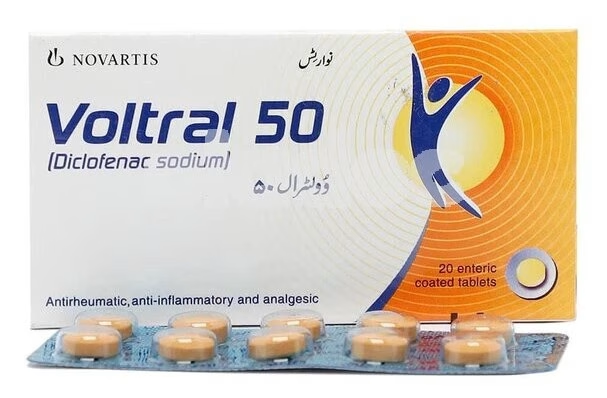
- Ingredients: Diclofenac sodium 50mg, made by Novartis Pharma.
- Uses: Stronger pain and inflammation from arthritis, back pain, sprains, and menstrual cramps.
- Benefits: One of the stronger anti-inflammatory options on this list, generally reserved for pain that hasn’t responded well to milder options.
- Side effects: Stomach pain, nausea, and in rarer cases gastrointestinal bleeding.
- Precautions: Requires a doctor’s prescription in Pakistan. Take with food, drink plenty of water, and avoid alcohol while on it.
Which Pain Killer Is Safe During Pregnancy?
Paracetamol (Panadol) is generally the go-to option during pregnancy when used at the recommended dose, and is considered the safer choice compared to NSAIDs across most of pregnancy.
NSAIDs like Brufen, Ponstan, and Voltral carry real, well-documented risks, particularly from 20 weeks of pregnancy onward, including effects on fetal kidney function and amniotic fluid levels. This isn’t a minor caution. It’s worth confirming any pain relief choice with a doctor while pregnant rather than assuming any of these tablets are automatically safe.
How to Take Pain Killers Safely
The biggest real-world risk with paracetamol isn’t a single large dose, it’s unknowingly combining it across multiple products. Harvard Health notes that more than 600 products contain paracetamol, and it’s easy to exceed the daily limit by taking Panadol alongside a cold and flu remedy that also contains it.
For NSAIDs like Brufen, Ponstan, and Voltral, taking them with food reduces stomach irritation, and none of them should be used for more than a few days at a time without medical guidance.
If pain needs a tablet more days than not, that’s a signal to get it checked rather than keep treating the symptom.
When Should You See a Doctor at oladoc?
Pain that lasts more than a few days, keeps coming back, or needs a tablet daily to manage is worth getting looked at by a general physician rather than continuing to self-medicate. A GP can identify what’s actually causing the pain instead of just managing the symptom.
This matters even more for chest pain, severe abdominal pain, or pain following an injury, since these can point to something a tablet won’t fix.
Conclusion
Panadol remains the safest everyday choice, Brufen and Voltral suit inflammation-driven pain, Ponstan works well for period pain, and Disprin is a fast, simple option for a quick headache. None of the five are meant for daily long-term use without checking in with a doctor first.
Watch the paracetamol combinations, respect the pregnancy warnings on NSAIDs, and treat frequent pain as a signal to get checked rather than a reason to reach for another tablet.
Frequently Asked Questions
What is the best pain killer tablet in Pakistan?
Panadol is the safest general option, while Ponstan and Brufen work better for inflammation-related pain like period cramps and swelling.
Which pain killer is best for toothache?
Brufen or Ponstan tend to work better for tooth pain since it usually involves inflammation, though Panadol is a safer starting point for milder cases.
Which pain killer tablet is best for period pain?
Ponstan is one of the most commonly used options for period pain in Pakistan, given its specific effectiveness against menstrual cramps.
Is it safe to take pain killers every day?
No. None of these five tablets are meant for daily long-term use without medical supervision, since regular use raises the risk of stomach, kidney, or liver issues.
Which pain killer is safe during pregnancy?
Paracetamol (Panadol) is generally considered the safer option during pregnancy, while NSAIDs carry real risks, especially from the second trimester onward.
Do I need a prescription to buy these pain killers in Pakistan?
Panadol, Brufen, Disprin, and Ponstan are generally available over the counter, while Voltral requires a doctor’s prescription.
