

Book Appointment with the best "Dermatologists"
Book AppointmentRice water is a free, kitchen-made toner that many people use for softer, smoother, brighter-looking skin. It is also a favorite step in the Korean glass skin trend.
Lab studies back a few of its effects, though proof on real faces is still limited. This guide covers what it does, how to make it, a step-by-step glass skin routine, and who should skip it.
Key Takeaways
- Rice water is a cheap toner that may soften skin and add a mild glow.
- Lab tests show antioxidant effects, but only one small human trial exists.
- It does not whiten skin, treat acne, or replace sunscreen.
- Homemade rice water keeps about a week in a clean, covered jar in the fridge.
- A patch test for 7 to 10 days should come before regular use.
- Glass skin needs gentle cleansing, hydration, and SPF 30 or higher every morning.
What Is Rice Water For Skin?
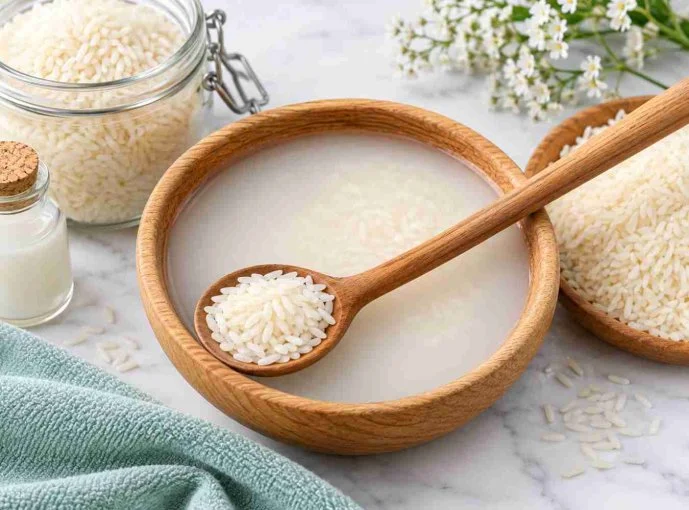
Rice water is the cloudy liquid left after rice is soaked or boiled. It carries starch, amino acids, and traces of vitamins and minerals.
People apply it to the face as a toner, mist, or mask base. Soaked, boiled, and fermented versions are the three common types.
Homes that cook rice every day already have the main ingredient, so the cost is close to zero.
What Is Korean Glass Skin?
Glass skin is a look of smooth, even, well-hydrated skin that reflects light. Pores seem smaller, texture feels soft, and the face has a clear, dewy shine.
No single product creates it. Gentle cleansing, steady hydration, and daily sun protection do most of the work, with rice water as an optional step.
Online glass skin photos are often filtered or lit for effect. Real skin still shows pores and a little texture.
Benefits Of Rice Water For Skin
Most of the evidence comes from lab tests and one small human trial. Everything else people report is anecdotal.
What The Research Says
A 2018 study in the journal Cosmetics tested rice water made from whole paddy rice. Boiled rice water cut harmful reactive oxygen molecules by about 80% in skin cells in a lab dish, a result close to vitamin C.
Boiled rice water also blocked over 89% of elastase, an enzyme that breaks down skin’s elastic fibers. That result came from a test tube, not from a face.
Twelve volunteers then wore a rice water gel on one forearm for 28 days. Hydration rose slightly, but the change was not statistically significant, and the gel caused no irritation in a patch test.
That gel contained 96% boiled rice water. It is not the same as plain kitchen water on a cotton pad, and the study used whole paddy rice rather than polished white rice.
What People Report
These effects are common in user reports, though none is proven.
- A soft, silky feel after the starch dries
- A mild hydrated look for a few hours
- A calmer feel on skin dried out by harsh face washes
- A fresher, brighter look from smoother skin
What Rice Water Cannot Do
Rice water does not change natural skin colour. No reliable study shows it lightens dark spots, melasma, or acne marks, so “rice water for skin whitening” claims are overstated.
It also does not treat acne or erase wrinkles. A glow from smoother skin is real, but it is not the same as lighter skin.
Is Rice Water Good For All Skin Types?
Rice water suits most skin types as a light toner, but the fit varies.
| Skin Type | How It Is Often Used | What To Watch For |
|---|---|---|
| Dry | Toner after cleansing, then serum and cream | Seal it in with a moisturizer |
| Oily | Light toner once or twice a day | Starch can feel tacky, so dilute it |
| Combination | Toner on the whole face | Use less on the oiliest patches |
| Sensitive | Only after a patch test; soaked or boiled type | Skip fermented water and stop at any stinging |
| Acne prone | Optional light toner | It is not an acne treatment, so stop if breakouts rise |
No study proves that rice water controls oil. Oily skin types like it mainly because it feels light.
How To Make Rice Water For Skin At Home
Plain white or basmati rice both work, and no study shows that one type beats the other. Rinsing the rice once or twice first removes dust.
A clean jar and clean hands matter, since homemade rice water has no preservatives.
Soaked Rice Water
This is the easiest method.
- Rinse half a cup of rice in clean water.
- Add two cups of clean water and soak for 30 minutes.
- Press the rice gently with clean fingers.
- Strain the milky water into a clean glass jar.
Boiled Rice Water
Boiling pulls out more of the rice. In the 2018 lab work, boiled rice water showed the strongest antioxidant effect.
- Rinse the rice, then boil it in about four times as much water.
- Take the pot off the heat once the rice is cooked.
- Strain the water and let it cool fully.
Fermented Rice Water
Soak the rice, strain it, then leave the water at room temperature for one to two days until it smells sour. It then goes straight into the fridge.
Fermented water is popular, but evidence for it on human skin is thin. It is also stronger, so it is best mixed with plain water.
How Long It Keeps
Refrigerated rice water lasts up to about a week in a clean, covered jar. Mold, a rotten smell, or a slimy film means it needs to be thrown out.
How To Use Rice Water For Skin
Rice water works in three simple ways.
- Toner: Pat it on clean skin with a cotton pad or clean palms.
- Mist: A small spray bottle kept in the fridge gives a cooling splash.
- Face pack: A cotton sheet or tissue soaked in rice water can sit on the face for 10 to 15 minutes.
Once a day is enough to begin, and twice a day is the most that most skin needs. A thin layer left under moisturizer overnight is common, though stickiness or irritation means it should be rinsed off.
Patch Test First
The American Academy of Dermatology advises testing a new product on a quarter-sized spot of inner arm or elbow, twice a day for 7 to 10 days. Redness, itching, or swelling means the product should be stopped.
Rice Water Glass Skin Routine
Rice water fits into a simple Korean-inspired routine. Each step is light, and none needs expensive products.
Morning
- Rinse the face with a gentle cleanser or lukewarm water.
- Pat on rice water as a toner.
- Press in a hydrating serum while the skin is still damp.
- Seal with a light moisturizer.
- Finish with sunscreen.
A hydrating serum adds the water that rice water alone cannot hold in.
Night
- Remove sunscreen and makeup with a cleansing oil or balm.
- Wash again with a gentle face wash, which completes the double cleanse.
- Pat on rice water.
- Apply serum, then moisturizer.
Gentle exfoliation once a week is the most that glass skin needs. Skin that stings or peels should skip it.
Sunscreen Matters Most
Sun exposure darkens marks and dulls skin, and no toner can undo that. The American Academy of Dermatology advises a broad-spectrum sunscreen with an SPF of 30 or higher.
The oladoc list of sunscreens sold locally compares prices and SPF levels.
How Long Does Rice Water Take To Work?
Softness can show within days. Any change in glow or texture usually takes several weeks of steady use.
Dark spots and uneven tone need proven treatments and months of patience. Rice water is not one of them.
Side Effects And Who Should Be Careful
Most people tolerate rice water well, but reactions happen.
- Itching, redness, or stinging after application
- New pimples in acne-prone skin
- Irritation from old or badly stored rice water
- A rare allergy to rice
Anyone with eczema flares, open cuts, an active skin infection, or a past rice allergy should check with a doctor first.
Drinking rice water for skin is not advised. Rice can contain traces of arsenic, and large amounts add no proven skin benefit.
Homemade Rice Water vs. Store-Bought Rice Toner
Store-bought rice toners contain preservatives and a fixed formula, so they last for months. They may also carry fragrance, which bothers sensitive skin.
Homemade water is simpler and free, but it spoils within days. A fresh batch every few days is the safest habit.
When A Dull Face Is Not A Skincare Problem
Dull, dry skin can also come from poor sleep, low water intake, smoking, or health problems such as thyroid disease or anaemia. Dry winter air and smog make it worse.
A toner cannot fix these causes. A doctor can check for them.
Should You See A Dermatologist At oladoc
A dermatologist in Islamabad can check the skin type, spot the real cause of dullness or dark patches, and suggest treatments that are proven to work. oladoc also connects patients with specialists in other major cities across Pakistan.
A visit makes sense when dark spots spread or breakouts keep returning. Burning or rashes after any new product also need attention.
The Takeaway
Rice water is a cheap, gentle toner that may soften skin and add a little glow. It does not whiten skin, treat acne, or replace sunscreen.
Glass skin comes from gentle cleansing, hydration, and daily SPF 30 or higher. A patch test and fresh, clean rice water keep the routine safe.
FAQs
Is Rice Water Good For Skin?
It can soften skin and feel hydrating as a toner. Lab studies show antioxidant effects, but large human trials are missing.
Does Rice Water Whiten Skin?
No. No reliable study shows that rice water lightens natural skin colour or fades dark spots.
Can Rice Water Give Korean Glass Skin?
Not alone. Glass skin comes from a full routine of cleansing, hydration, and sunscreen, with rice water as one optional step.
How Often Should Rice Water Be Used On The Face?
Once a day is enough to start, and twice a day is the most that most skin needs. Any stinging or redness means a break.
Is Rice Water Good For Oily Skin?
Many people with oily skin like it as a light toner. No study proves it controls oil, and a diluted version feels less sticky.
Is Rice Water Good For Acne-Prone Skin?
It is not an acne treatment, and some users report new pimples. A dermatologist can suggest proven options for breakouts.
Is Fermented Rice Water Better Than Boiled Or Soaked?
Not proven. Fermented water has more hype, but evidence on human skin is thin, and it should be diluted for safety.
Can Rice Water Be Left On The Face Overnight?
A thin layer under moisturizer is common. Stickiness or irritation means rinsing it off.
How Long Does Homemade Rice Water Last?
About one week in a clean, covered jar in the fridge. Mold, a rotten smell, or a slimy film means it should be discarded.
Is It Safe To Drink Rice Water For Skin?
It is not advised. Rice can contain traces of arsenic, and drinking it brings no proven skin benefit.
Disclaimer: The contents of this article are intended to raise awareness about common health issues and should not be viewed as sound medical advice for your specific condition. You should always consult with a licensed medical practitioner prior to following any suggestions outlined in this article or adopting any treatment protocol based on the contents of this article.