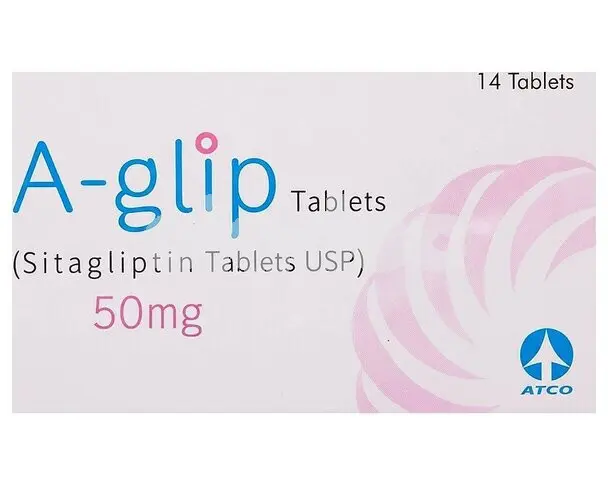
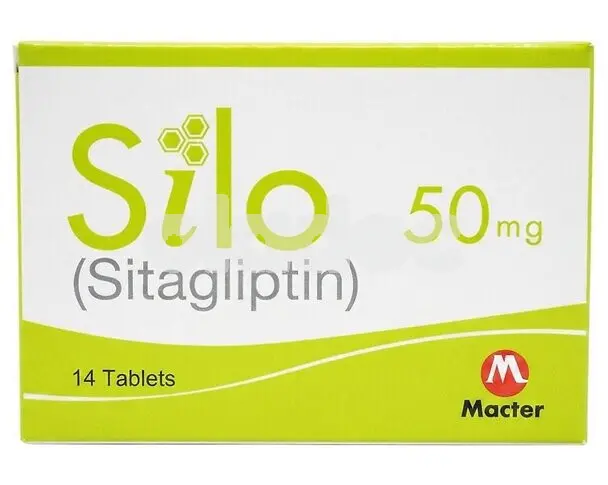
About A-Glip Tablet 50mg
A blood sugar control tablet for adults with type 2 diabetes, used alongside diet and exercise.
A-Glip Tablet 50mg Uses
- Type 2 diabetes mellitus
- Blood sugar control alongside diet and exercise
- Combination therapy with metformin or other diabetes drugs
- Long term management of chronic high blood sugar
- Add on therapy when other diabetes drugs are not enough
A-Glip Tablet 50mg Benefits
- Once daily dosing that fits easily into routine
- A lower risk of low blood sugar compared to some older diabetes drugs
- Weight neutral effect for most patients
- Works well alongside metformin or other oral diabetes medicines
- A well studied option prescribed widely by physicians
Patients in Lahore, Karachi, Islamabad, and Rawalpindi commonly use this medicine as part of their type 2 diabetes treatment plan.
Endocrinologists and general physicians across these cities often add this tablet when diet, exercise, and metformin alone are not enough.
Regular blood sugar checks and doctor visits remain necessary, since diabetes management works best with ongoing monitoring.
Drug Class
- DPP-4 inhibitor
- Oral anti diabetic medicine
- Incretin based therapy
A-Glip Tablet 50mg Uses in Urdu
اے گلپ ٹیبلٹ ذیابیطس ٹائپ 2 کے مریضوں میں خون میں شوگر کی سطح کو قابو میں رکھنے کے لیے استعمال ہوتی ہے۔ یہ روزانہ ایک بار کھائی جاتی ہے۔
- ذیابیطس ٹائپ 2 میں شوگر لیول کنٹرول کرنے میں مدد دیتی ہے
- خوراک اور ورزش کے ساتھ مل کر بہتر نتائج دیتی ہے
- دیگر ذیابیطس کی ادویات کے ساتھ بھی تجویز کی جا سکتی ہے
- گردوں کی صورتحال کے مطابق خوراک میں تبدیلی ممکن ہے
A-Glip Tablet 50mg formula
How to use A-Glip Tablet 50mg?
- The usual adult dose is one tablet once daily, with or without food.
- Swallowing the tablet whole with a glass of water works well, at roughly the same time each day.
- A missed dose should be taken as soon as remembered on the same day, without doubling up.
- Regular blood sugar monitoring helps track how well this medicine is working.
- Any change in kidney function should be reported to the doctor, since the dose may need adjustment.
Drug Interactions
This medicine can interact with other diabetes drugs and a few other medications, so a full list should be shared with the doctor.
- Insulin: Combined use raises the risk of low blood sugar, so dose adjustment is often needed.
- Sulfonylureas: The chance of hypoglycemia increases when taken together with drugs like glimepiride.
- Digoxin: Blood levels of digoxin may rise slightly, so monitoring is sometimes advised.
- ACE Inhibitors: The combination may raise the risk of angioedema in rare cases.
Risks and warnings
- Pancreatitis Risk: Rare cases of pancreas inflammation have been reported, needing prompt medical attention.
- Kidney Impairment: Dose adjustment is needed for patients with reduced kidney function.
- Low Blood Sugar: Risk of hypoglycemia increases when combined with insulin or sulfonylurea medicines.
- Joint Pain: Severe and persistent joint pain has been linked to this drug class in rare cases.
Side Effects
Most patients tolerate this medicine without major issues, though some mild effects can occur.
- Headache
- Upper respiratory tract infection symptoms
- Stuffy or runny nose
- Nausea
- Diarrhea
Serious side effects are rare, but urgent medical care is needed if any of these occur.
- Severe stomach pain that may spread to the back
- Signs of an allergic reaction such as facial swelling or difficulty breathing
- Severe skin blistering or peeling
- Signs of kidney problems such as reduced urination
Storage Conditions
Store this medicine at room temperature, away from direct heat and moisture. Keep it in its original pack until use.