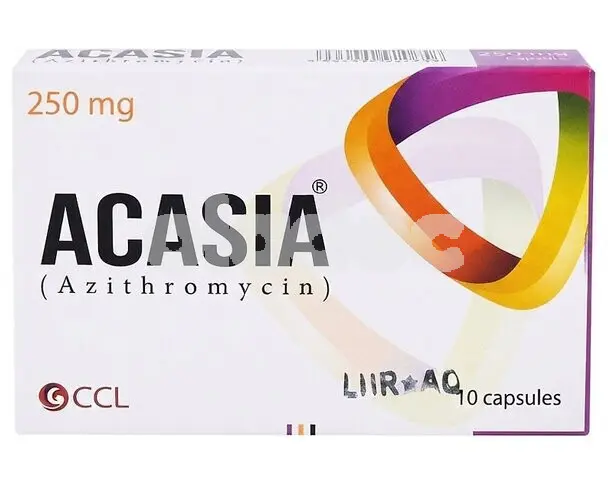
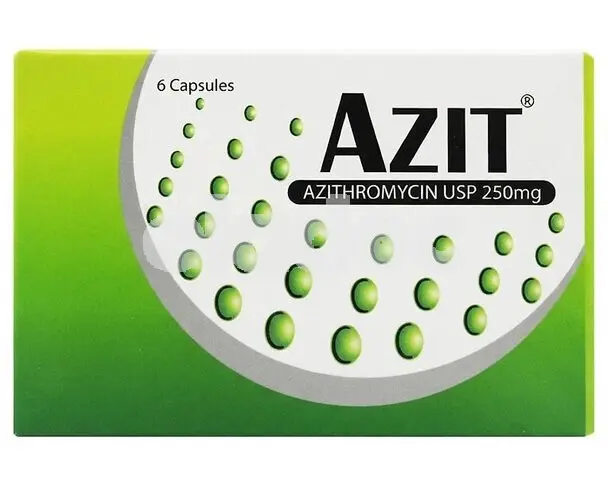
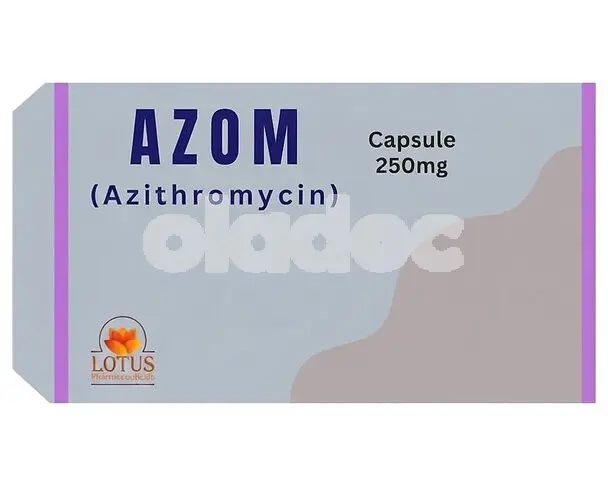
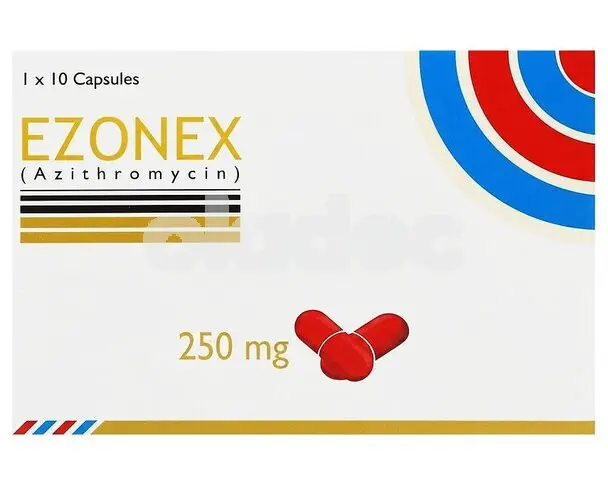
About Acasia Capsule 250mg
Acasia capsule 250mg is an azithromycin-based antibiotic prescribed in Pakistan for chest, throat, ear, and skin infections.
What is Acasia Capsule 250mg used for
Treats bacterial infections of the respiratory tract, skin, and soft tissue.
Also prescribed for ear infections, throat infections, and certain sexually transmitted infections.
How does it work
Azithromycin is a macrolide antibiotic.
It stops bacteria from producing the proteins they need to grow.
Who should not use it
- People with a known allergy to azithromycin or other macrolide antibiotics.
- Patients with a history of liver problems linked to previous azithromycin use.
- People with a diagnosed heart rhythm disorder such as QT prolongation.
- Infants under one month of age, unless a pediatrician advises otherwise.
Precautions before taking
Tell the doctor about any heart, liver, or kidney condition.
Pregnant and breastfeeding women should use it only if necessary.
Other medicines affecting heart rhythm should not be combined unless approved.
- سینے کے انفیکشن جیسے برونکائٹس اور نمونیا کا علاج
- گلے اور ٹانسلز کے انفیکشن میں استعمال
- کان کے انفیکشن کے لیے مؤثر
- جلد کے بیکٹیریل انفیکشن میں تجویز کیا جاتا ہے
- بعض جنسی طور پر منتقل ہونے والے انفیکشنز کے علاج میں شامل
Acasia Capsule 250mg formula
How to use Acasia Capsule 250mg?
- Swallow whole with a full glass of water.
- Taking on an empty stomach, one hour before or two hours after a meal, improves absorption.
- The full course should be completed even if symptoms improve after two or three days.
- A missed dose can be taken as soon as remembered, unless the next dose is nearly due.
- Doubling the dose is not recommended.
Drug Interactions
- Antacids: Can reduce absorption if taken at the same time.
- Warfarin: Blood-thinning effect can increase.
- Digoxin: Can raise digoxin levels.
- Ergot derivatives: Combining can lead to ergot toxicity.
- QT-prolonging drugs: Raise risk of irregular heartbeat.
Risks and warnings
- Heat sensitivity: Pakistan's hot summers can degrade the capsule if left in direct sunlight or a hot car.
- Self-medication risk: Using it for viral illnesses does not help and adds to antibiotic resistance.
- Typhoid resistance: Some strains show reduced response, so a lab-confirmed diagnosis matters.
- Heart rhythm caution: Mention any irregular heartbeat history.
- Liver or kidney disease: Needs dose adjustment and closer monitoring.
- Nausea, stomach pain, or diarrhea, especially during the first few doses.
- Mild headache or dizziness.
- Loss of appetite or a bitter taste in the mouth.
- Rash or itching.
- Severe allergic reaction, irregular heartbeat, or persistent vomiting (emergency).
Storage Conditions
- Room temperature storage below 25 degrees Celsius, away from direct sunlight.
- A cool, dry cabinet during Pakistan's hot summer months.
- The original blister pack keeps moisture out.
- Bathroom cabinets not recommended.
- Capsules should stay out of reach of children.