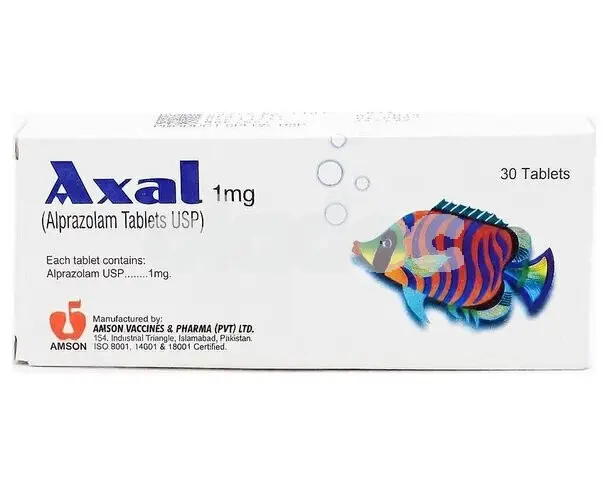
About Alp Tablet 0.5mg
Alp is used to treat anxiety disorders and panic attacks. It calms the brain by reducing excessive nervousness and fear.
Alp Tablet Uses
- Prescribed for generalised anxiety disorder, social anxiety, and panic attacks.
- Helps manage symptoms when anxiety and depression occur together.
- Used for short-term relief of severe cases that have not responded to other treatments.
- Reduces physical symptoms such as a racing heart, sweating, and restlessness.
- Sometimes prescribed for related sleep problems under close medical supervision.
When Not to Use Alp
- Patients with a known allergy to alprazolam or any other benzodiazepine must not use Alp.
- Alp must not be used by patients with acute narrow-angle glaucoma, as it can worsen intraocular pressure.
- Patients with severe respiratory insufficiency or untreated sleep apnea must avoid this medicine.
- Alp must not be taken alongside strong CYP3A4 inhibitors such as ketoconazole or itraconazole without a doctor's clearance.
- Patients currently intoxicated with alcohol, opioids, or other CNS depressants must not take Alp.
- Alp is not recommended for children under 18 years of age.
- Patients with a history of substance abuse or addiction should not use Alp without specialist supervision.
Alp Tablet Uses in Urdu
آلپ ٹیبلٹ ایک بینزوڈائی ازیپین دوائی ہے جو اینگزائٹی اور پینک ڈس آرڈر کے علاج کے لیے استعمال کی جاتی ہے۔
یہ دماغ میں گابا (گیما ایمینو بیوٹیرک ایسڈ) نامی کیمیکل کی سرگرمی کو بڑھا کر اعصابی تناؤ کو کم کرتی ہے اور سکون فراہم کرتی ہے۔
الپ صرف ڈاکٹر کی تجویز پر استعمال کی جانی چاہیے کیونکہ یہ عادت بنانے والی دوائی ہے اور اسے اچانک بند کرنا خطرناک ہو سکتا ہے۔
اس دوائی کے ساتھ شراب یا نشہ آور اشیاء کا استعمال سختی سے منع ہے کیونکہ یہ سانس لینے میں رکاوٹ پیدا کر سکتا ہے۔
حاملہ یا دودھ پلانے والی خواتین اسے ڈاکٹر کی اجازت کے بغیر ہرگز نہ لیں۔
اگر آپ کو نیند، چکر یا موڈ میں غیر معمولی تبدیلی محسوس ہو تو فوری اپنے ڈاکٹر سے رجوع کریں۔
How to use Alp Tablet 0.5mg?
- Adults: One 0.5mg tablet, two to three times daily as prescribed.
- Panic disorder: Dose may be increased up to 10mg daily in divided doses or twice a day as prescribed by your physician.
- Elderly patients: Half a 0.5mg tablet twice daily to start, to avoid side effects.
- Alp tablet can be taken with or without food.
- Swallow whole with a full glass of water at evenly spaced times.
- Never stop the Alp tablet suddenly; always reduce the dose gradually under medical guidance.
Drug Interactions
- Opioids such as morphine, codeine, and fentanyl carry a serious risk of respiratory depression, coma, and death when combined with the Alp tablet.
- Ketoconazole and itraconazole significantly increase alprazolam blood levels, which can lead to excessive sedation and toxicity.
- Erythromycin and clarithromycin slow down the breakdown of alprazolam in the body, raising its concentration to unsafe levels.
- Fluoxetine and fluvoxamine increase alprazolam levels and can intensify its sedative and psychomotor effects.
- Phenytoin may reduce the effectiveness of Alp by speeding up its metabolism in the liver.
- Other benzodiazepines or sleep medicines must not be combined with Alp as they cause additive CNS depression.
- St. John's Wort reduces the plasma level of alprazolam, making it less effective over time.
- Melatonin and valerian supplements may cause excessive drowsiness when taken alongside Alp.
Risks and warnings
- Dependence risk: Alp tablet is a controlled substance and must be taken only for the duration and dose prescribed by a doctor.
- Opioid use: Alp tablet must never be combined with opioids, as this combination can cause respiratory depression, coma, and death.
- History of substance abuse: Patients with a history of addiction face a significantly elevated risk of misuse and dependence with the Alp tablet.
- Pregnancy: Alprazolam can harm the developing baby and cause withdrawal symptoms in newborns; Alp tablet must not be used during pregnancy.
- Breastfeeding: Alprazolam passes into breast milk and can sedate the infant, so breastfeeding is not recommended during Alp tablet treatment.
- Elderly patients: Older adults are more sensitive to the sedative effects of the Alp tablet and require a lower starting dose with careful monitoring.
- Withdrawal risk: The Alp tablet must never be stopped suddenly, as abrupt withdrawal can cause seizures and life-threatening symptoms.
- Driving and machinery: Driving and operating machinery should be avoided throughout Alp tablet treatment due to impaired alertness and reaction times.
AlpTablet Side Effects
- Drowsiness or excessive sleepiness
- Dizziness or lightheadedness
- Dry mouth
- Headache
- Poor concentration or memory difficulties
- Fatigue and low energy
- Slurred speech
- Loss of coordination or balance problems
- Severe respiratory depression, including slow or shallow breathing
- Extreme confusion or disorientation
- Unusual mood changes, agitation, or increased aggression
- Thoughts of self-harm or suicide
- Severe allergic reaction, including rash, facial swelling, or difficulty breathing
- Seizures, particularly after a sudden dose reduction or stopping the medicine
- Signs of physical dependence or withdrawal, such as sweating, tremors, and intense restlessness
Storage Conditions
- Alp should be stored at room temperature, between 20°C and 25°C.
- The tablets must be kept away from direct sunlight, heat, and moisture.
- Tablets should remain in the original blister packaging until ready to use.
- Alp must be stored in a secure location as it is a controlled substance, away from children and unauthorised individuals.