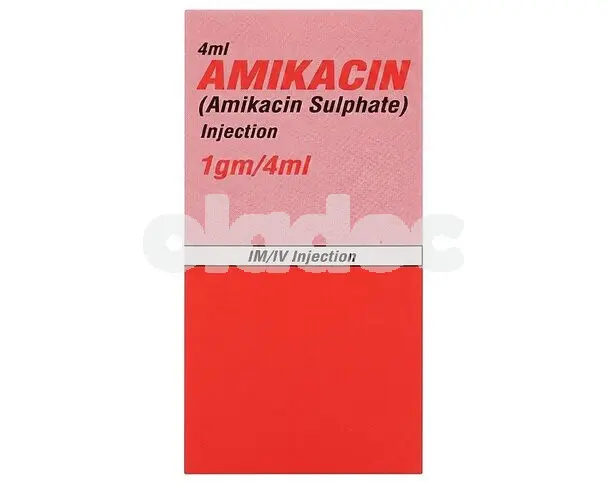
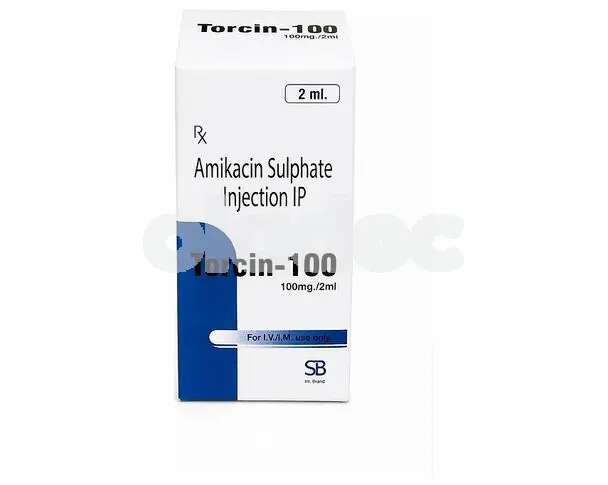
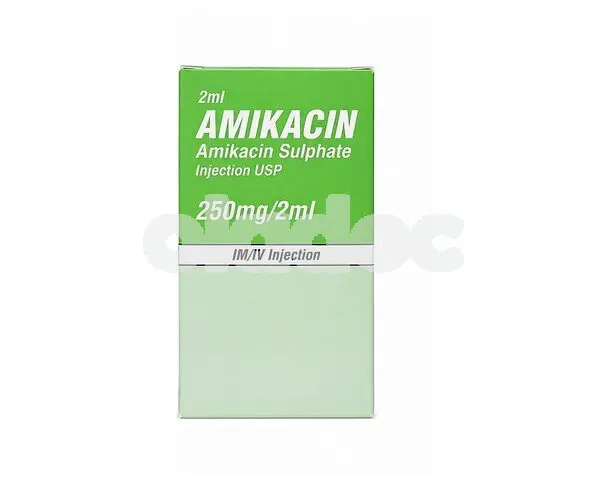
About Amikacin Injection 1gm
High dose Amikacin antibiotic injection used in hospitals to treat severe bacterial infections.
Amikacin Injection 1gm Uses
- Treats severe gram negative bacterial infections in hospitalized adults
- Used for hospital acquired and ventilator associated pneumonia
- Treats complicated urinary tract infections resistant to common antibiotics
- Used in intra abdominal infections alongside other antibiotics
- Treats sepsis and bloodstream infections from susceptible bacteria
- Used in bone and joint infections requiring high dose therapy
- Part of combination therapy for febrile neutropenia in cancer patients
Amikacin Injection 1gm Benefits
- Provides a high single dose option supporting once daily dosing
- Reduces the number of injections needed compared to lower strength vials
- Effective against many bacteria that no longer respond to gentamicin
- Rapid bactericidal action helps control severe infections quickly
- Useful in combination regimens for multidrug resistant infections
- Supports better outcomes in critically ill patients under close monitoring
What Experts Say
Amikacin works by binding to the bacterial ribosome and blocking protein synthesis, which leads to bacterial cell death rather than just stopping growth. This mechanism makes it effective against many gram negative organisms that no longer respond to older, narrower antibiotics. Clinicians often reserve this high dose formulation for serious infections needing fast bacterial clearance.
Because amikacin can affect kidney function and hearing, doctors closely monitor renal parameters and drug levels during treatment, especially with higher doses. Peak and trough monitoring helps balance effective bacterial killing against the real risk of toxicity. Dose adjustments are common in patients with reduced kidney function or advanced age.
Experts generally view amikacin as a valuable option when first line antibiotics fail or resistance is suspected, particularly in intensive care settings. It is usually combined with another antibiotic class rather than used alone, since this broadens coverage and can lower the chance of resistance developing.
Drug Class
- Aminoglycoside antibiotic
Amikacin Injection 1gm Uses in Urdu
- شدید بیکٹیریل انفیکشنز جیسے نمونیا اور خون میں زہر پھیلنے (سیپسس) کے علاج کے لیے
- ہسپتال میں لگنے والے نمونیا اور وینٹی لیٹر سے متعلق انفیکشن کے لیے
- پیشاب کی نالی کے پیچیدہ انفیکشنز کے لیے جو عام دوائیوں سے ٹھیک نہ ہوں
- پیٹ کے اندرونی حصوں کے سنگین انفیکشنز کے لیے دیگر اینٹی بائیوٹکس کے ساتھ
- ہڈیوں اور جوڑوں کے شدید انفیکشنز کے علاج میں
- کینسر کے مریضوں میں بخار اور کمزور مدافعتی نظام کی صورت میں مجموعی علاج کے حصے کے طور پر
Amikacin Injection 1gm formula
How to use Amikacin Injection 1gm?
- Given only as an intravenous infusion or deep intramuscular injection, never taken by mouth
- Dose is calculated by body weight, typically 15 mg per kg per day for adults with normal kidney function
- May be given as a single daily dose or divided into two to three doses depending on the infection
- For IV use, the dose is usually diluted in normal saline or dextrose solution and infused over 30 to 60 minutes
- Duration of treatment is usually 7 to 10 days, guided by clinical response and lab results
- Dose and frequency are adjusted for patients with reduced kidney function
- Administered by a doctor or trained healthcare staff in a hospital or clinic setting
Drug Interactions
- Other Nephrotoxic Drugs: Combining with vancomycin, amphotericin B, or cisplatin raises the risk of kidney damage
- Loop Diuretics: Furosemide and similar diuretics increase the risk of hearing damage when used with amikacin
- Other Aminoglycosides: Using more than one aminoglycoside at once adds to kidney and hearing toxicity risk
- Neuromuscular Blocking Agents: Anesthetic muscle relaxants can have an exaggerated effect when combined with amikacin
- Penicillin Antibiotics: Should not be mixed in the same IV line or syringe as amikacin, since they can inactivate each other
- NSAIDs: Frequent use alongside amikacin may add to the burden on kidney function
Risks and warnings
- Nephrotoxicity: Can reduce kidney function, especially with prolonged use or in patients who already have kidney disease
- Ototoxicity: May damage hearing or balance nerves, sometimes permanently, particularly at higher cumulative doses
- Neuromuscular Blockade: Rare risk of muscle weakness or breathing difficulty, more likely with anesthesia or existing neuromuscular disorders
- Pregnancy Risk: Crosses the placenta and may affect the unborn baby's hearing, so it is avoided unless clearly needed
- Dehydration: Increases the risk of kidney and hearing side effects, so adequate hydration is important during treatment
- Elderly Patients: Require closer monitoring since age related decline in kidney function raises toxicity risk
Amikacin Injection 1gm Side Effects
- Pain, redness, or swelling at the injection site
- Nausea or vomiting
- Headache
- Skin rash or itching
- Fever
- Numbness or tingling sensation
- Dizziness or unsteadiness
- Ringing in the ears or hearing changes
- Reduced urine output
- Muscle weakness
- Changes in blood test results related to kidney function
- Low magnesium or potassium levels with prolonged use
Storage Conditions
- Store the sealed vial at room temperature, below 25 to 30 degrees Celsius
- Protect the vial from direct light and keep it in its original outer carton
- Do not freeze the injection or expose it to extreme heat
- Once diluted for infusion, use the solution promptly and discard any unused portion
- Inspect the vial for particles or discoloration before use and discard if noticed
- Keep out of reach of children and store away from the bathroom or kitchen sink