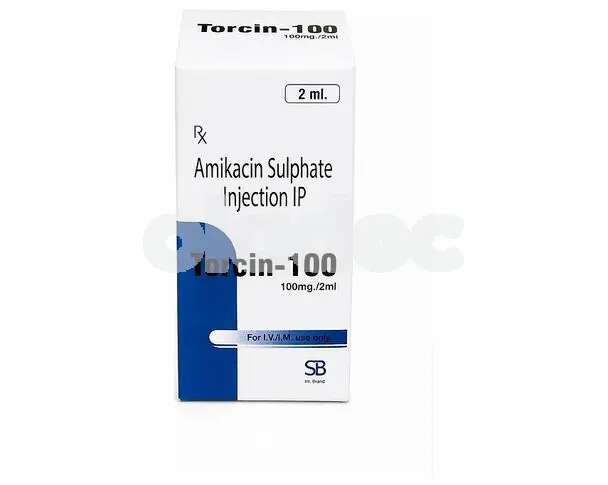
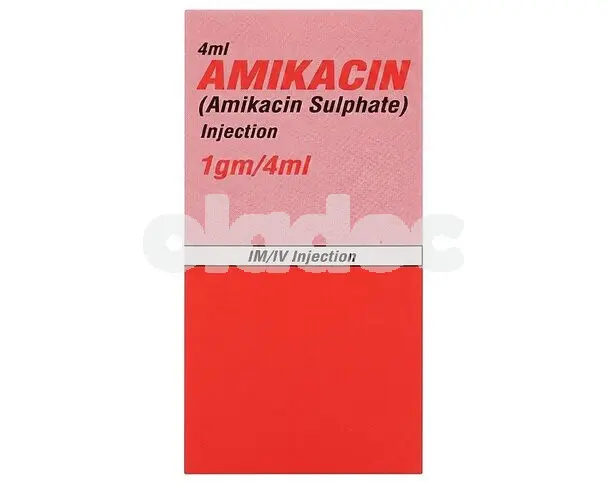
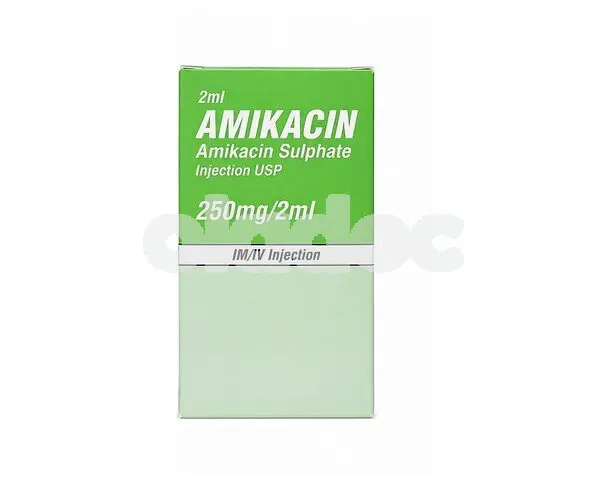
About Amkay injection 500mg
An injectable antibiotic used in hospitals to fight severe infections that have not responded to other treatments.
Amkay Injection Uses
- Serious infections caused by gram negative bacteria
- Hospital acquired pneumonia
- Complicated urinary tract infections
- Bloodstream infections, also called septicemia
- Bone and joint infections
- Skin and soft tissue infections
- Infections resistant to other common antibiotics
Amkay Injection Benefits
- Effective against many gram negative organisms including Pseudomonas species
- Often used when infections are resistant to other antibiotic classes
- Fast bactericidal action helps control severe infections quickly
- Useful in combination therapy for certain difficult to treat infections
What Experts Say
Amikacin belongs to the aminoglycoside class of antibiotics and works by binding to bacterial ribosomes, blocking protein synthesis so the bacteria can no longer grow or survive. It is considered one of the more reliable aminoglycosides against resistant gram negative organisms.
Because aminoglycosides can affect the kidneys and hearing, doctors in Pakistan typically reserve amikacin for serious infections managed in a hospital setting, where kidney function and drug levels can be monitored closely during the treatment course. Dosing is calculated carefully based on body weight and kidney function.
Treatment courses are usually short, often seven to ten days, since prolonged use raises the risk of toxicity. Adequate hydration is encouraged throughout treatment, and hearing changes, ringing in the ears, or unsteady balance are reported promptly to the treating physician so the dose can be reviewed.
Drug Class
- Aminoglycoside Antibiotic
Amkay Injection Uses in Urdu
- شدید بیکٹیریل انفیکشنز کے علاج کے لیے استعمال ہوتا ہے
- ہسپتال میں لگنے والے نمونیا اور خون کے انفیکشن میں دیا جاتا ہے
- پیشاب کی نالی کے پیچیدہ انفیکشن میں مؤثر ہے
- یہ انجکشن صرف ڈاکٹر کی نگرانی میں لگایا جاتا ہے
Amkay injection 500mg formula
How to use Amkay injection 500mg?
- Amkay Injection is given by a doctor or trained healthcare provider, usually in a hospital or clinic setting.
- It is administered by intramuscular injection or as a slow intravenous infusion.
- Dosage is calculated based on body weight, kidney function, and the severity of infection.
- Treatment duration is usually short term, often seven to ten days.
- Kidney function and drug levels are monitored during longer courses.
- The full prescribed course is completed even if symptoms improve early.
Drug Interactions
- Other aminoglycosides: Combining with similar antibiotics increases the risk of kidney and hearing damage.
- Diuretics such as furosemide: These drugs can raise the risk of hearing loss when given with amikacin.
- Other nephrotoxic drugs: Medicines that stress the kidneys can add to the kidney risk of this antibiotic.
- Muscle relaxants used in surgery: Amikacin can enhance the effect of certain anesthesia related muscle relaxants.
Risks and warnings
- Kidney damage: Amikacin can affect the kidneys, especially with prolonged use or in patients with existing kidney problems.
- Hearing loss: This medicine can affect the inner ear, sometimes causing ringing in the ears or permanent hearing changes.
- Balance problems: Damage to the inner ear balance system is possible with extended treatment.
- Neuromuscular effects: Rarely, muscle weakness or breathing difficulty can occur, particularly in patients with neuromuscular disorders.
- Allergic reactions: Skin rash or, rarely, a severe allergic reaction can occur after administration.
Amkay Injection Side Effects
Side effects are monitored closely since this medicine is given under medical supervision.
- Pain or irritation at the injection site
- Nausea
- Headache
- Fever
- Skin rash
Serious effects require immediate medical attention.
- Ringing in the ears or hearing changes
- Reduced urine output
- Dizziness or loss of balance
Storage Conditions
- Room temperature storage away from direct light keeps the injection stable.
- The vial is protected from freezing during storage.
- Unused vials are kept in their original packaging until administration.
- Keep out of reach of children.