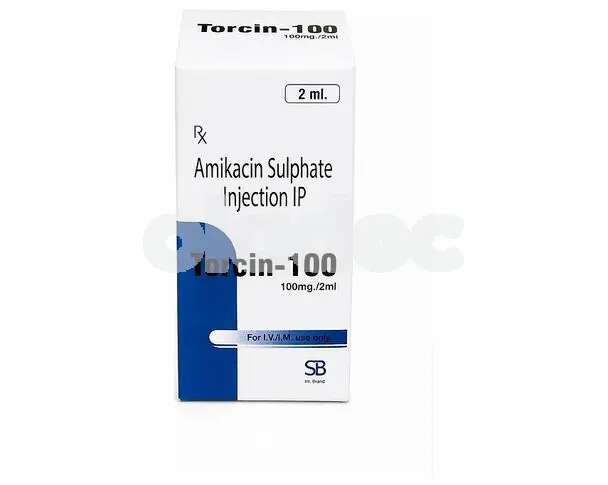
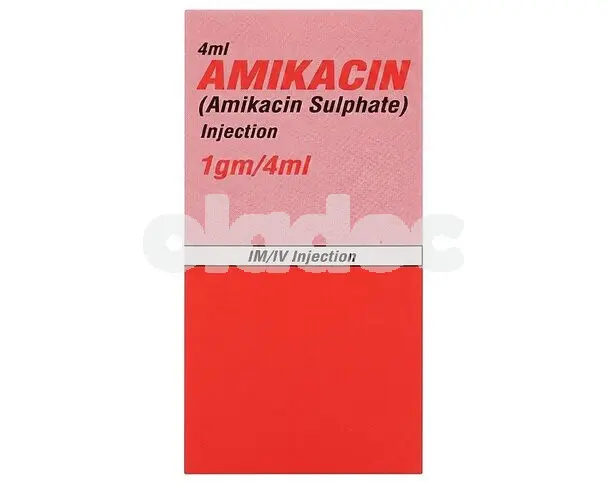
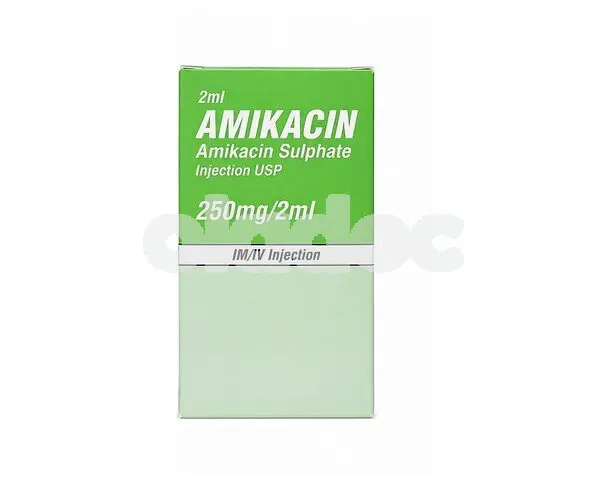
About Amikacin Injection 500mg
A higher-strength aminoglycoside injection for severe hospital-treated gram-negative infections.
Amikacin Injection 500mg Uses
- Severe bloodstream infections (septicemia) caused by gram-negative bacteria
- Hospital acquired pneumonia and ventilator associated pneumonia
- Complicated urinary tract infections that have not responded to other antibiotics
- Serious intra abdominal infections, including peritonitis
- Bone, joint, and post-surgical infections
- Severe skin, soft tissue, and burn wound infections
- Combination therapy for certain drug resistant infections, including some resistant tuberculosis regimens
Amikacin Injection 500mg Benefits
- Delivers a higher, more concentrated dose for patients with severe or resistant infections
- Useful for once daily dosing regimens that simplify treatment schedules
- Effective against many bacteria resistant to penicillins and cephalosporins
- Works well as part of combination antibiotic therapy in critically ill patients
- Reduces the number of vials needed per dose for patients with higher body weight
- Remains active against Pseudomonas aeruginosa, a common cause of hospital acquired infection
What Experts Say
At the 500mg strength, amikacin is typically used for patients who need a higher total dose because of body weight or the severity of infection. The drug still works by blocking bacterial protein synthesis at the ribosome, but the larger amount delivered per dose means clinicians pay closer attention to how the kidneys are clearing it.
Some hospitals use once daily high dose regimens with amikacin, since research suggests this can be as effective as divided dosing while potentially lowering the risk of drug buildup in the kidneys. The choice between once daily and divided dosing depends on infection type, kidney function, and overall severity of illness.
Because higher doses carry a proportionally higher risk of hearing and kidney complications, treatment is monitored closely with regular blood tests and hydration checks. This strength is generally reserved for hospital settings where infection severity outweighs the monitoring burden.
Drug Class
- Aminoglycoside antibiotic
Amikacin Injection 500mg Uses in Urdu
- شدید قسم کی خون کی انفیکشن یعنی سیپسس کے علاج کے لیے
- ہسپتال میں لگنے والے نمونیا کے علاج کے لیے
- پیچیدہ پیشاب کی نالی کی انفیکشن کے لیے جو دوسری ادویات سے ٹھیک نہ ہو
- پیٹ کے اندرونی شدید انفیکشن کے لیے
- ہڈیوں، جوڑوں اور آپریشن کے بعد ہونے والی انفیکشن کے لیے
- مزاحم بیکٹیریا کے خلاف دیگر اینٹی بائیوٹکس کے ساتھ ملا کر استعمال کے لیے
Amikacin Injection 500mg formula
How to use Amikacin Injection 500mg?
- Administer as a slow intravenous infusion over 30 to 60 minutes or as a deep intramuscular injection, based on the doctor's instructions.
- Typical adult dose is 15 mg per kg per day, given either once daily or divided into two doses depending on the infection and kidney function.
- For patients on once daily dosing, the full calculated dose is usually infused over 30 minutes under medical supervision.
- Dose interval is extended for patients with reduced kidney function, guided by creatinine clearance and blood drug levels.
- Course length is usually 7 to 10 days, with longer courses requiring regular hearing and kidney function checks.
- Must only be prepared and given by a qualified healthcare professional in a clinical setting.
Drug Interactions
- Loop diuretics (e.g. furosemide): Raise the risk of hearing damage and kidney injury, particularly at this higher strength.
- Other nephrotoxic drugs (vancomycin, amphotericin B, cyclosporine): Combined use significantly increases the chance of kidney damage.
- NSAIDs: May reduce blood flow to the kidneys and worsen amikacin related kidney stress.
- Neuromuscular blocking agents and general anesthetics: Amikacin can prolong muscle relaxant effects, raising the risk of breathing difficulty around surgery.
- Other aminoglycosides: Should not be given together, since this compounds kidney and hearing toxicity risk.
- Platinum-based chemotherapy drugs (e.g. cisplatin): Add to the cumulative kidney and hearing toxicity risk of amikacin.
Risks and warnings
- Nephrotoxicity: Higher doses raise the risk of kidney injury, so kidney function is checked regularly throughout treatment.
- Ototoxicity: Hearing loss and balance problems are a known risk, and can become permanent if not caught early.
- Neuromuscular blockade: Can cause muscle weakness or breathing difficulty, especially in patients with myasthenia gravis or those under anesthesia.
- Pregnancy risk: Amikacin crosses the placenta and may affect fetal hearing, so it is avoided in pregnancy unless the infection is life threatening.
- Hypersensitivity: Contraindicated in patients allergic to amikacin or other aminoglycosides.
- Dehydration and electrolyte imbalance: Both increase drug concentration in the kidneys and raise toxicity risk, so hydration is monitored closely at this higher strength.
Amikacin Injection 500mg Side Effects
- Pain, redness, or hardness at the injection site
- Nausea or vomiting
- Headache
- Fever or chills
- Ringing or buzzing in the ears
- Dizziness or loss of balance
- Numbness or tingling around the mouth
- Reduced urine output
- Muscle weakness
- Hearing changes or muffled hearing
- Skin rash or itching
- Swelling of the face, lips, or throat with difficulty breathing, a serious allergic reaction requiring immediate medical attention
Storage Conditions
- Keep the vial at room temperature, ideally between 15 and 30 degrees Celsius, away from heat and moisture.
- Protect from light by leaving the vial inside its box until it is time to use it.
- Never freeze the injection or store it in a refrigerator door.
- After reconstitution or dilution, use the solution within the timeframe advised by the pharmacist and discard any leftover amount.
- Store safely away from children and pets.
- Inspect the vial before use and discard if the solution appears discolored, cloudy, or contains particles.