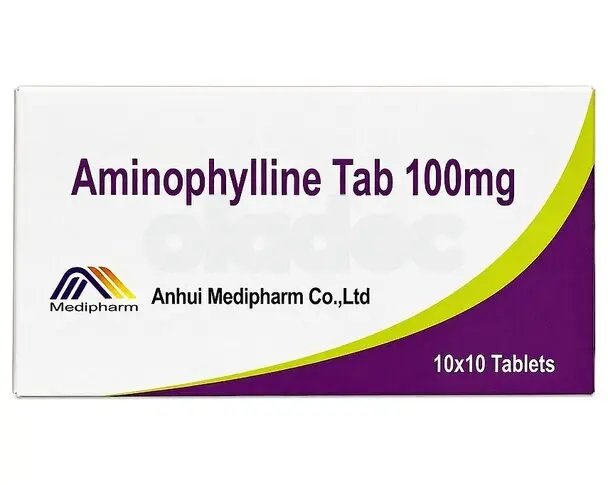
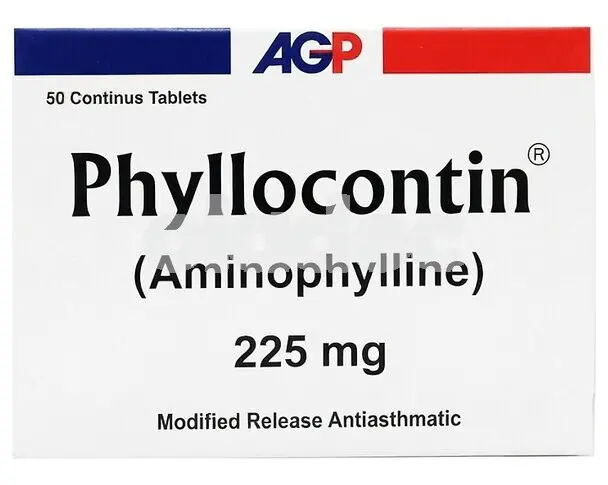
About Aminophylline Tablet 100 mg
Aminophylline Tablet 100 mg contains Aminophylline, a methylxanthine bronchodilator for asthma and COPD.
Aminophylline Tablet 100 mg Uses
- Relieves bronchospasm in bronchial asthma
- Treats reversible airway obstruction in chronic bronchitis
- Manages breathing symptoms of emphysema and COPD
- Used as maintenance therapy for chronic wheezing disorders
Aminophylline Tablet 100 mg Benefits
- Opens narrowed airways for easier breathing
- Reduces frequency of asthma and COPD flare ups with regular use
- Improves diaphragm muscle strength in some COPD patients
- Provides an affordable oral option for long term bronchodilator therapy
What Experts Say
Aminophylline works by inhibiting phosphodiesterase enzymes and blocking adenosine receptors in bronchial smooth muscle. This combined action relaxes the airways, reduces bronchospasm, and mildly strengthens diaphragm contraction, helping patients breathe more easily during an asthma or COPD flare.
Its therapeutic serum range sits between 10 and 20 micrograms per milliliter, a narrow window where a small dose increase can push levels into the toxic range. Most physicians now favor inhaled bronchodilators and steroids as first line therapy, keeping oral aminophylline as an add on option when inhaler therapy alone does not control symptoms.
Aminophylline is metabolized mainly through the liver enzyme CYP1A2, and clearance varies widely based on smoking status, liver function, age, and other medicines taken at the same time. Doctors typically start with a weight based dose and review response at follow up, adjusting the regimen if side effects or reduced efficacy suggest the blood level has shifted outside the safe range.
Drug Class
- Methylxanthine Bronchodilator
Aminophylline Tablet 100 mg Uses in Urdu
- دمہ کے دورے میں سانس کی نالیوں کو کھولنے کے لیے
- دائمی برونکائٹس میں سانس لینے میں آسانی کے لیے
- پھیپھڑوں کی سوجن کی علامات کم کرنے کے لیے
- سی او پی ڈی کے مریضوں میں سانس کی نالیوں کو کشادہ رکھنے کے لیے
Aminophylline Tablet 100 mg formula
How to use Aminophylline Tablet 100 mg?
- Take exactly as prescribed by your doctor, usually two to three times a day
- Swallow the tablet whole with a full glass of water
- Take after meals to reduce stomach upset
- Take doses at the same times each day for steady blood levels
- Do not stop or change the dose without consulting your doctor
- Contact your doctor instead of increasing the dose yourself if symptoms persist
Drug Interactions
- Ciprofloxacin: Raises aminophylline blood levels and increases the risk of toxicity.
- Erythromycin: Slows aminophylline breakdown and can raise blood levels.
- Cimetidine: Reduces clearance of aminophylline and increases toxicity risk.
- Rifampin: Speeds up aminophylline breakdown and can lower its effectiveness.
- Phenytoin: Lowers aminophylline blood levels through enzyme induction.
- Smoking: Increases the breakdown of aminophylline, often requiring higher doses.
- Caffeine: Adds to the stimulant effects, raising the risk of jitteriness and a rapid heartbeat.
Risks and warnings
- Narrow Therapeutic Index: The gap between an effective dose and a toxic dose is small, so blood level monitoring may be advised during long term use.
- Toxicity Symptoms: High blood levels can cause severe nausea, a fast or irregular heartbeat, tremors, and seizures.
- Cardiac Conditions: Use with caution in patients with heart disease or arrhythmias, since aminophylline can worsen heart rhythm problems.
- Liver Disease: Reduced liver function slows clearance and raises the risk of toxicity, so dose adjustment is needed.
- Peptic Ulcer: May worsen acid related stomach symptoms in patients with active ulcers.
- Seizure Disorders: Use cautiously in patients with a history of seizures, since aminophylline can lower the seizure threshold.
- Pregnancy And Breastfeeding: Use only if clearly needed and under direct medical supervision.
Aminophylline Tablet 100 mg Side Effects
- Nausea and vomiting
- Stomach pain or heartburn
- Headache
- Restlessness and difficulty sleeping
- Fast or irregular heartbeat
- Tremors or shakiness
- Increased urination
- Loss of appetite
- Seizures at toxic blood levels
Storage Conditions
- Store at room temperature between 15 and 30 degrees Celsius
- Keep the tablets in their original blister or container away from moisture
- Protect from direct sunlight and excess heat
- Keep out of reach of children
- Discard tablets after the expiry date printed on the pack