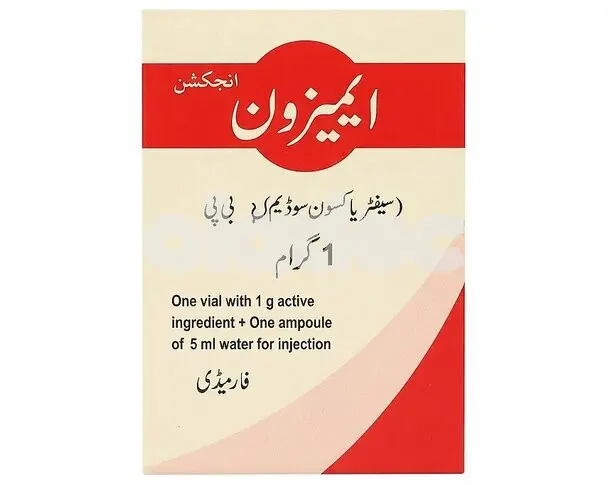
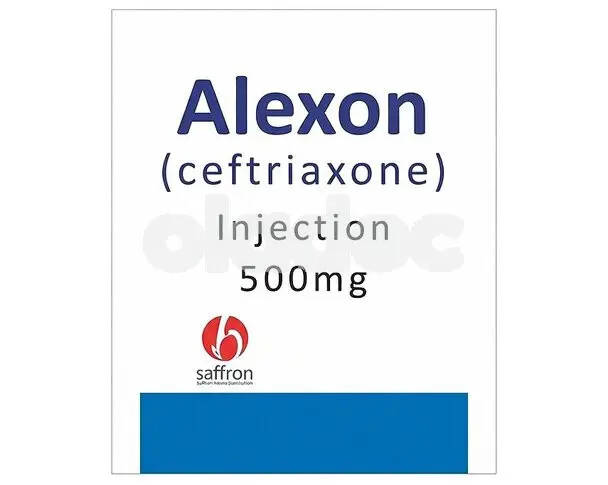
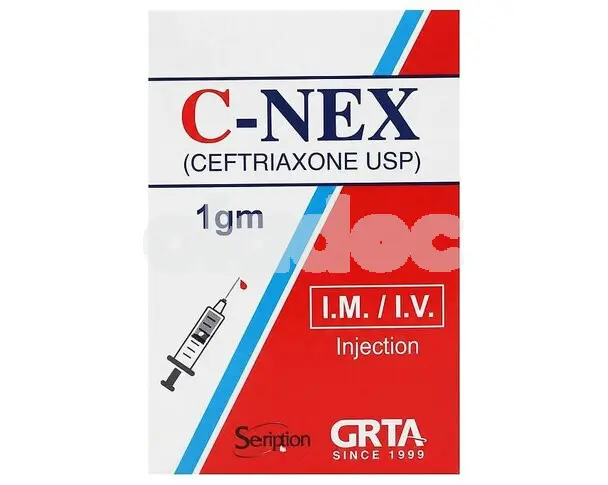
About Amizone Injection 1gm
Amizone Injection 1gm contains Ceftriaxone, a third-generation cephalosporin antibiotic for severe infections.
Amizone Injection 1gm Uses
- Treats severe bacterial infections of the lungs, including community acquired and hospital acquired pneumonia
- Used for complicated urinary tract infections and pyelonephritis
- Treats bacterial meningitis
- Used in sepsis and bloodstream infections
- Treats skin and soft tissue infections
- Used for bone and joint infections
- Treats intra abdominal infections
- Used for gonorrhea caused by susceptible bacteria
- Given before certain surgeries to prevent infection
Amizone Injection 1gm Benefits
- Broad spectrum coverage against many gram positive and gram negative bacteria
- Long half life allows once daily dosing in most infections
- Can be given by intramuscular or intravenous route depending on the clinical setting
- Reaches high concentrations in blood, tissues and cerebrospinal fluid
- Remains effective in patients with reduced kidney function since it is mainly cleared through the liver and bile
What Experts Say
Doctors across Pakistan often choose ceftriaxone as first line empiric therapy for serious infections because its long half life supports convenient once daily dosing. This reduces the number of injections needed compared with older cephalosporins and improves adherence during hospital stays.
Physicians recommend baseline liver and kidney function tests before starting high dose or prolonged courses, since gallbladder sludge and mild enzyme elevations are recognized effects. Careful review of allergy history is standard practice because of possible cross reactivity with penicillin group antibiotics.
In patients who also need calcium containing intravenous fluids, doctors separate the infusions or choose an alternative antibiotic to avoid rare but serious precipitate formation. Clinicians also emphasize completing the full prescribed course to limit development of antibiotic resistance in the wider community.
Drug Class
- Third-generation cephalosporin antibiotic
Amizone Injection 1gm Uses in Urdu
- پھیپھڑوں کے شدید انفیکشن جیسے نمونیا کے علاج کے لیے استعمال ہوتا ہے۔
- پیشاب کی نالی کے شدید انفیکشن میں دیا جاتا ہے۔
- دماغی جھلی کی سوزش یعنی میننجائٹس کے علاج میں استعمال ہوتا ہے۔
- خون میں انفیکشن یا سیپسس کی صورت میں تجویز کیا جاتا ہے۔
- جلد اور نرم بافتوں کے انفیکشن کے علاج کے لیے استعمال کیا جاتا ہے۔
- ہڈیوں اور جوڑوں کے انفیکشن میں مؤثر ہے۔
- پیٹ کے اندرونی اعضا کے انفیکشن میں استعمال ہوتا ہے۔
- بعض سرجریوں سے پہلے انفیکشن سے بچاؤ کے لیے بھی دیا جا سکتا ہے۔
Amizone Injection 1gm formula
How to use Amizone Injection 1gm?
- Administered only by a trained healthcare professional in a hospital or clinic setting
- Given as an intravenous infusion or deep intramuscular injection
- Dose and duration depend on the type and severity of infection
- Typical adult dose ranges from 1gm to 2gm once daily depending on infection severity
- For intramuscular use it may be mixed with a lidocaine solution to reduce pain, prepared only by the administering professional
- Complete the full prescribed course even if symptoms improve early
- Inform the doctor about any known allergy to penicillin or cephalosporin antibiotics before the injection is given
Drug Interactions
- Calcium Containing Solutions: Concurrent use with intravenous calcium products can form dangerous precipitates, particularly risky in neonates
- Warfarin and Other Blood Thinners: May increase bleeding risk by affecting vitamin K dependent clotting factors
- Aminoglycoside Antibiotics: Combination is sometimes used for synergy but requires monitoring of kidney function
- Probenecid: Does not significantly change ceftriaxone levels unlike with some other cephalosporins, but concurrent use should still be medically guided
- Live Typhoid Vaccine: Antibiotics can reduce the effectiveness of a live oral typhoid vaccine if taken close together
Risks and warnings
- Allergic Reactions: Ceftriaxone can cause serious allergic reactions including rash, swelling and rarely anaphylaxis, especially in people with a history of penicillin allergy
- Calcium Containing Products: Must not be given together with calcium containing intravenous solutions, especially in newborns, due to risk of fatal precipitates in the lungs and kidneys
- Biliary Sludging: Prolonged or high dose use can cause gallbladder sludge or pseudolithiasis, usually reversible after stopping treatment
- Diarrhea and Colitis: Can cause antibiotic associated diarrhea, including rare but serious Clostridioides difficile colitis
- Kidney and Liver Impairment: Requires dose caution and monitoring in patients with combined severe kidney and liver disease
- Pregnancy and Breastfeeding: Should be used only if clearly needed and under medical supervision during pregnancy and breastfeeding
Amizone Injection 1gm Side Effects
- Pain, redness or swelling at the injection site
- Nausea or vomiting
- Diarrhea or loose stools
- Headache
- Skin rash or itching
- Elevated liver enzymes on blood tests
- Changes in blood counts such as eosinophilia or low platelets
- Gallbladder sludge visible on ultrasound with prolonged use
- Severe allergic reaction with difficulty breathing or facial swelling in rare cases
- Severe watery diarrhea suggesting Clostridioides difficile infection in rare cases
Storage Conditions
- Store the unopened vial at room temperature below 30°C, away from direct sunlight and moisture
- Keep the vial in its original carton until it is ready to use
- Once reconstituted, use the solution within the time specified by the pharmacist or manufacturer and discard any unused portion
- Do not freeze the reconstituted solution
- Keep out of reach of children
- Do not use if the powder or reconstituted solution shows discoloration or visible particles