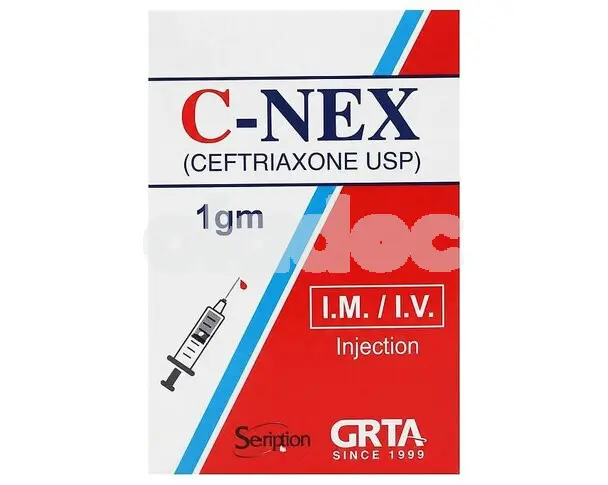
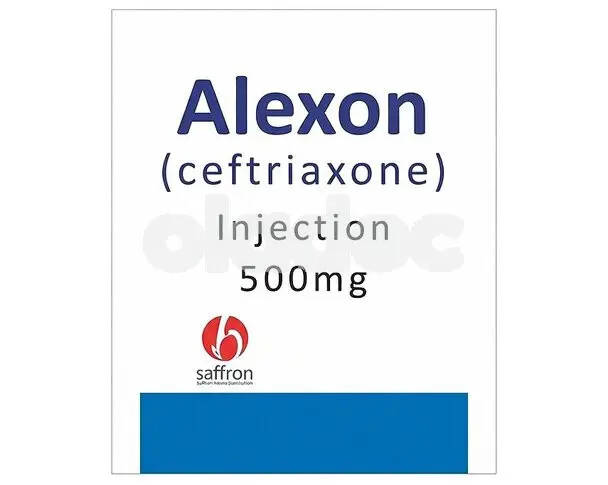
About C-Nex Injection 1gm
C-Nex Injection 1gm is Ceftriaxone, a third-generation cephalosporin antibiotic for severe infections.
C-Nex Injection 1gm Uses
- Treats severe bacterial infections such as pneumonia and sepsis
- Used for typhoid fever, common in Pakistan due to contaminated water and food sources
- Treats bacterial meningitis
- Used for complicated urinary tract infections
- Treats skin and soft tissue infections
- Used before certain surgeries to prevent infection
- Treats gonorrhea
C-Nex Injection 1gm Benefits
- Works against a wide range of gram-positive and gram-negative bacteria
- Once-daily dosing improves treatment compliance
- Can be given as IM or IV, offering flexibility in hospital and outpatient settings
- Reaches high concentrations in the brain and spinal fluid, useful for meningitis
- Fast bactericidal action helps control severe infections quickly
What Experts Say
Ceftriaxone works by blocking bacterial cell wall synthesis. It binds to penicillin-binding proteins on the bacterial membrane, stopping the cell wall from forming properly. This causes the bacteria to weaken and die, making it a bactericidal antibiotic rather than one that only slows bacterial growth.
Its long half-life allows once-daily dosing in most infections, which is unusual among injectable antibiotics. This makes it a preferred choice for hospitals moving patients from IV therapy to outpatient care. It also penetrates well into the cerebrospinal fluid, which is why doctors rely on it for bacterial meningitis.
Clinicians generally reserve ceftriaxone for infections where oral antibiotics are not effective or where rapid bacterial control matters, such as sepsis or severe pneumonia. Because broad-spectrum antibiotics like this one can contribute to resistance when overused, doctors prescribe it only after confirming or strongly suspecting a susceptible bacterial infection.
Drug Class
- Third-Generation Cephalosporin
- Beta-Lactam Antibiotic
- Bactericidal Antibiotic
C-Nex Injection 1gm Uses in Urdu
- بیکٹیریا کے شدید انفیکشنز کے علاج کے لیے
- نمونیا (پھیپھڑوں کے انفیکشن) میں
- ٹائیفائیڈ بخار کے علاج میں
- دماغی جھلی کے انفیکشن (میننجائٹس) میں
- پیشاب کی نالی کے انفیکشن میں
C-Nex Injection 1gm formula
How to use C-Nex Injection 1gm?
- Administered only by a doctor or trained healthcare professional via intramuscular (IM) or intravenous (IV) injection.
- The vial is reconstituted with the diluent provided or sterile water before use.
- Typical adult dose ranges from 1gm to 2gm once daily, depending on the infection being treated.
- IM injections are usually given into a large muscle, such as the gluteal region.
- IV infusions are given slowly over 30 minutes to reduce injection site discomfort.
- Complete the full course as prescribed, even if symptoms improve early.
Drug Interactions
- Calcium-Containing IV Solutions: Can form insoluble precipitates when mixed with ceftriaxone, especially dangerous in newborns.
- Warfarin: May increase bleeding risk by altering gut bacteria that produce vitamin K.
- Aminoglycosides: Combined use can increase the risk of kidney toxicity, though the combination is sometimes used for serious infections.
- Probenecid: Does not significantly affect ceftriaxone clearance, unlike other cephalosporins.
- Oral Contraceptives: May reduce effectiveness, so backup contraception is advised during treatment.
Risks and warnings
- Allergy Risk: Avoid if you have a known allergy to cephalosporins or penicillin, as cross-reactivity can occur.
- Gallbladder Sludge: Can cause calcium-ceftriaxone precipitates in the gallbladder, especially with high doses.
- Newborns: Not recommended in premature or jaundiced newborns due to a risk of bilirubin displacement.
- Kidney or Liver Disease: Requires dose caution in patients with significant kidney or liver impairment.
- Pregnancy and Breastfeeding: Use only if clearly needed and advised by a doctor.
- Calcium Products: Should not be mixed or given close in time with IV calcium-containing solutions, particularly in newborns.
C-Nex Injection 1gm Side Effects
- Pain or swelling at the injection site
- Diarrhea or loose stools
- Nausea or vomiting
- Skin rash or itching
- Headache
- Elevated liver enzymes
- Changes in blood counts (eosinophilia)
- Gallbladder sludge on ultrasound
- Superinfection with prolonged use
Storage Conditions
- Store the unopened vial below 25°C, away from direct sunlight.
- Keep in the original carton to protect from light.
- Once reconstituted, use the solution within the time specified on the pack insert, typically a few hours at room temperature or up to 24 hours if refrigerated.
- Keep out of reach of children.
- Do not use if the reconstituted solution appears discolored or has particles.