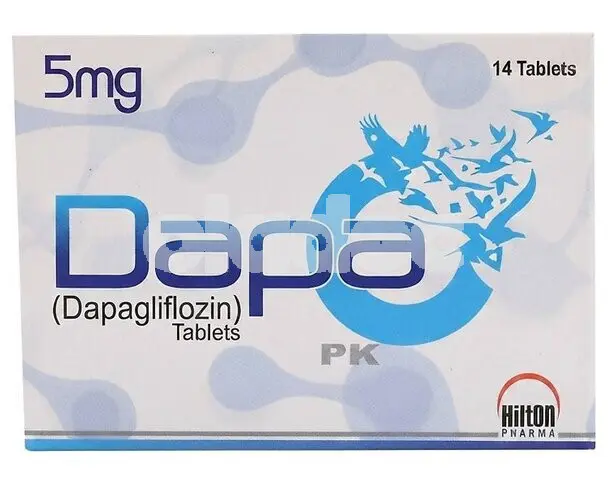
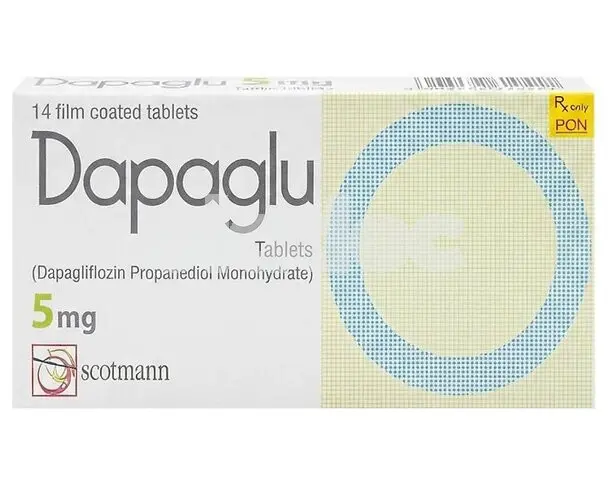
About Dapa Tablet 5mg
Dapa Tablet 5mg contains dapagliflozin, an SGLT2 inhibitor used as a starting dose for type 2 diabetes.
Uses
- Controls high blood sugar in adults with type 2 diabetes
- Often used as the starting dose before increasing to 10mg if needed
- Used alongside metformin, sulfonylureas or insulin as additional therapy for better blood sugar control
- Suitable starting strength for patients at higher risk of dehydration or low blood pressure
Benefits
- Lowers blood glucose through increased glucose loss in urine
- Allows doctors to judge tolerability before stepping the dose up to 10mg
- Lower starting risk of volume depletion and low blood pressure in sensitive patients
- Supports modest weight loss and a mild reduction in blood pressure
- Simple once daily oral dosing
What Experts Say
Dapagliflozin 5mg is often the dose doctors choose first when starting a patient with type 2 diabetes on an SGLT2 inhibitor, before deciding whether to increase to 10mg. Beginning at the lower strength lets the prescriber check how well a patient tolerates the drug's diuretic like effect and its impact on blood sugar.
This starting approach is particularly relevant for older adults, people already taking diuretics, and anyone with a tendency toward low blood pressure or dehydration, since dapagliflozin promotes fluid loss through increased urination. Physicians also lean toward 5mg first in patients on insulin or a sulfonylurea, where a sudden large drop in blood sugar could otherwise raise hypoglycemia risk.
If blood sugar targets are not met and the 5mg dose is well tolerated, the dose is usually increased to 10mg for a stronger glycemic effect. Regular monitoring of kidney function, hydration status and signs of genital fungal infection remains important at this strength too, and the medicine is not suitable for type 1 diabetes because of ketoacidosis risk.
Drug Class
- SGLT2 Inhibitor (Sodium Glucose Cotransporter 2 Inhibitor)
- Antidiabetic Agent
Dapa Tablet Uses in Urdu
- ٹائپ 2 ذیابیطس کے علاج میں ابتدائی خوراک کے طور پر
- خون میں شوگر کی سطح کو کنٹرول کرنے کے لیے دیگر ادویات کے ساتھ
- ان مریضوں کے لیے موزوں جنہیں کم مقدار سے علاج شروع کرنے کی ضرورت ہو
- بہتر برداشت کے بعد ضرورت پڑنے پر دس ملی گرام تک بڑھانے سے پہلے استعمال کی جاتی ہے
How to use Dapa Tablet 5mg?
- Take one tablet by mouth once daily, usually in the morning
- Swallow the tablet whole with water, with or without food
- Your doctor may increase the dose to 10mg later if more blood sugar control is needed
- Do not take an extra tablet if a dose is missed, resume the normal schedule the next day
- Keep taking this medicine along with any diet and exercise plan your doctor has advised
Drug Interactions
- Insulin and sulfonylureas raise the risk of hypoglycemia when combined with this medicine
- Diuretics can add to fluid loss and low blood pressure when taken together
- ACE inhibitors and ARBs may increase the chance of low blood pressure and changes in kidney function
- Regular use of NSAIDs may add extra strain on the kidneys
- Rifampin and similar enzyme inducing drugs may reduce how well this medicine works
- Tell your doctor about any other diabetes medicines or supplements before combining them with this tablet
Risks and warnings
- Not suitable for type 1 diabetes or diabetic ketoacidosis, since SGLT2 inhibitors raise DKA risk in these patients
- Even at this lower strength, it can cause dehydration and low blood pressure in elderly patients or those on diuretics
- Increases risk of genital yeast infections and urinary tract infections
- Rare risk of a severe genital and perineal infection called Fournier's gangrene
- Can trigger euglycemic diabetic ketoacidosis during illness, surgery or very low carbohydrate diets, even with normal looking blood sugar
- Caution advised in patients with reduced kidney function or a history of bladder cancer
- Avoid in pregnancy and breastfeeding
Dapa Tablet 5mg Side Effects
- Genital yeast infections in women and men
- Urinary tract infection symptoms such as burning urination
- Increased urination and mild thirst
- Dizziness related to a drop in blood pressure
- Dehydration if fluid intake is not adequate
- Back pain
- Low blood sugar when used together with insulin or a sulfonylurea
- Rare but serious diabetic ketoacidosis and Fournier's gangrene
- Mild changes in kidney function in some patients
Storage Conditions
- Keep at room temperature, below 30°C, away from heat and moisture
- Leave tablets sealed in the blister strip until the dose is due
- Store out of the sight and reach of children
- Avoid humid areas such as bathrooms when storing this medicine
- Dispose of any leftover or expired tablets properly rather than keeping them