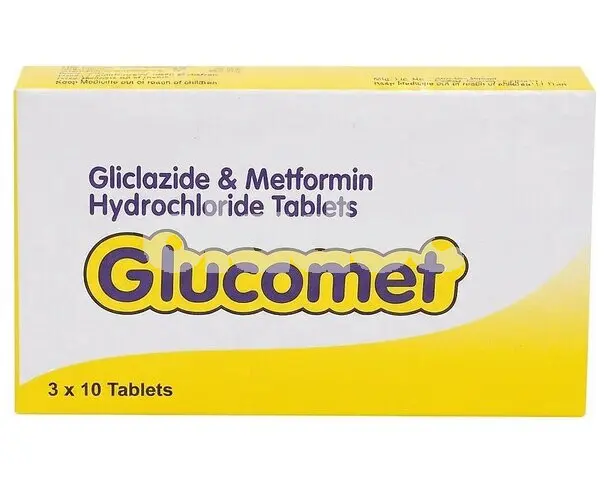
About Glucomet Tablet 5mg / 500mg
A combination tablet that helps manage blood sugar levels in type 2 diabetes.
Glucomet Tablet Uses
- Type 2 diabetes not controlled by diet and exercise alone
- Type 2 diabetes not adequately controlled by a single oral medicine
- Combination therapy alongside lifestyle changes for blood sugar control
Glucomet Tablet Benefits
- Two complementary mechanisms working together for better blood sugar control
- Convenient single tablet instead of two separate medicines
- Reduced fasting and post meal blood sugar spikes
- A dosing option that can be adjusted to individual needs under medical guidance
What Experts Say
Type 2 diabetes affects a very large proportion of adults in Pakistan, and many patients eventually need more than one oral medicine to keep blood sugar within target range. Fixed dose combinations like this one are commonly prescribed once diet, exercise and a single medicine no longer provide adequate control.
Glibenclamide stimulates the pancreas to release more insulin, while metformin reduces glucose production by the liver and improves how the body's tissues respond to insulin. Combining these two complementary mechanisms in one tablet often achieves better blood sugar control than either medicine used alone.
Physicians in Pakistan generally monitor kidney function closely in patients on this combination, since metformin needs dose adjustment or discontinuation when kidney function declines significantly. Patients are also counseled about recognizing early signs of low blood sugar, particularly around meal timing and physical activity.
Drug Class
- Sulfonylurea And Biguanide Combination (Antidiabetic)
Glucomet Tablet 5mg / 500mg Uses in Urdu
- ذیابیطس ٹائپ ٹو میں بلڈ شوگر کو قابو میں رکھنے کے لیے
- جب اکیلی دوا سے شوگر کنٹرول نہ ہو رہی ہو
- خوراک اور ورزش کے ساتھ ملا کر شوگر کنٹرول کرنے کے لیے
Glucomet Tablet 5mg / 500mg formula
- Glibenclamide 5mg + Metformin Hydrochloride 500mg
How to use Glucomet Tablet 5mg / 500mg?
- One tablet is usually taken with breakfast or the first main meal of the day.
- A full glass of water with each dose supports proper absorption.
- The same time each day helps maintain steady blood sugar control.
- Regular blood sugar monitoring guides ongoing dose changes.
- A missed dose should not be doubled up at the next scheduled dose.
Drug Interactions
- Insulin Or Other Antidiabetic Medicines: Combined use raises the risk of low blood sugar.
- Contrast Dye: Iodine based contrast agents used in imaging tests raise the risk of kidney problems when combined with metformin.
- Corticosteroids: These can raise blood sugar and reduce the medicine's effectiveness.
- Beta Blockers: These can mask the warning signs of low blood sugar, such as a fast heartbeat.
Risks and warnings
- Hypoglycemia: Low blood sugar is a common risk, especially if a meal is skipped or delayed after a dose.
- Kidney Function: Regular kidney function tests are needed since metformin accumulation in reduced kidney function raises the risk of lactic acidosis.
- Alcohol Use: Heavy alcohol intake increases the risk of both low blood sugar and lactic acidosis.
- Surgery Or Contrast Dye: This medicine is usually paused before surgery or imaging tests that use iodine based contrast dye.
- Elderly Patients: A lower starting dose and closer monitoring is often needed in older adults.
Glucomet Tablet Side Effects
- Nausea or stomach upset
- Diarrhea
- Loss of appetite
- Metallic taste in the mouth
- Low blood sugar (hypoglycemia)
- Weight gain with long term use
- Vitamin B12 deficiency with prolonged use
- Rare risk of lactic acidosis
Storage Conditions
- Store at room temperature, below 30 degrees Celsius, away from moisture.
- Keep the tablets in their original blister strip until use.
- Keep out of reach of children.
- Avoid storing in a humid bathroom cabinet.