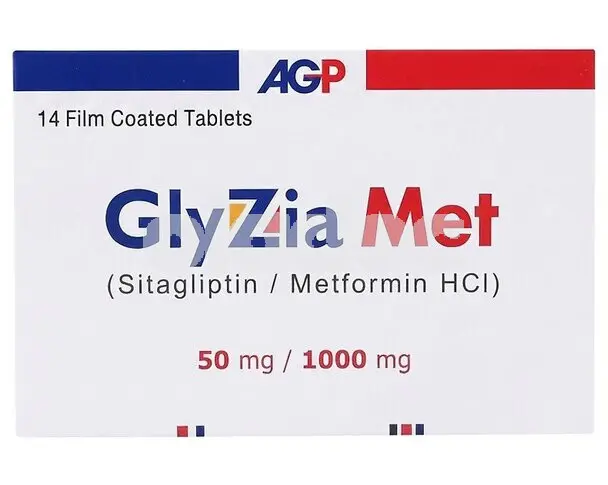
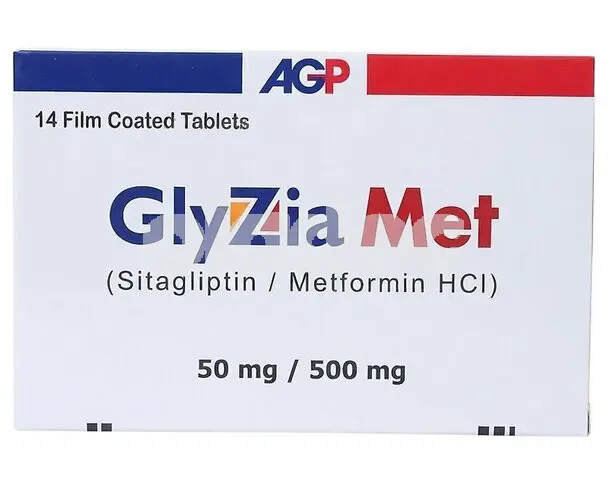
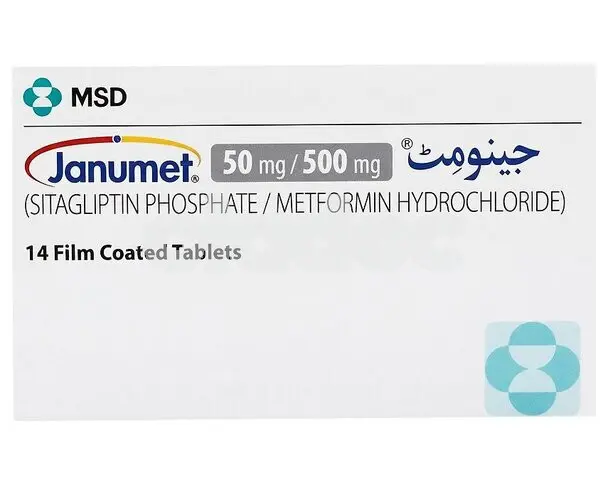
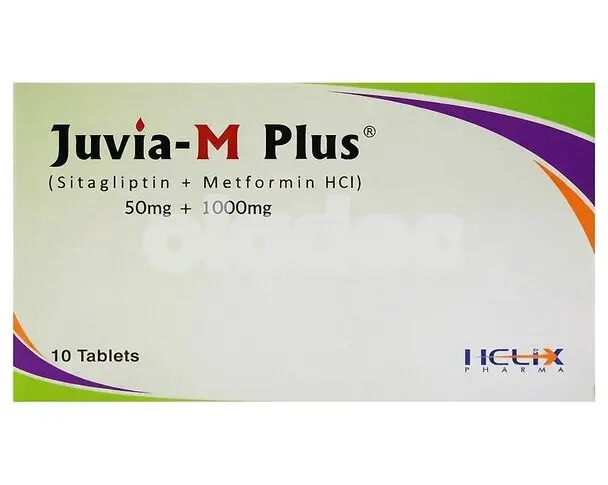
About Glyzia Met Tablet 50mg/1000mg
Glyzia Met Tablet 50mg/1000mg contains Sitagliptin, a DPP-4 inhibitor, plus Metformin for type 2 diabetes control.
Glyzia Met Tablet Uses
- Type 2 diabetes mellitus in adults not controlled by diet and exercise alone
- Type 2 diabetes when metformin alone no longer gives adequate blood glucose control
- Type 2 diabetes management as a single tablet replacement for patients already stable on separate sitagliptin and metformin doses
- Combined blood sugar control for patients who need a higher metformin dose alongside sitagliptin
Glyzia Met Tablet Benefits
- Combines a DPP-4 inhibitor and a biguanide in one tablet, covering two glucose lowering pathways at once
- Boosts insulin release after meals while reducing the liver glucose output that drives fasting sugar levels
- Replaces two separate tablets with one, which can improve daily adherence in a long term condition
- Carries a low hypoglycemia risk on its own when not combined with a sulfonylurea or insulin
- Does not typically cause the weight gain seen with some older diabetes medicines
What Experts Say
Pakistan carries one of the highest rates of type 2 diabetes in the world, and a large share of adults living with the condition need more than one medicine to reach their target blood sugar. Endocrinologists across Pakistan often move a patient from metformin alone to a combination tablet once a single agent stops giving adequate control.
A fixed dose combination of sitagliptin and metformin lets a physician add incretin based glucose lowering without a second tablet. The 1000mg metformin strength paired with 50mg sitagliptin usually suits a patient already tolerating a higher metformin dose well, since it delivers the fuller glucose lowering effect of metformin alongside the incretin hormone activity that sitagliptin preserves after meals.
Physicians still recheck kidney function and HbA1c periodically on this combination, since the metformin component needs adequate renal clearance and the sitagliptin component needs dose review if kidney function declines. Regular monitoring lets a doctor confirm the higher metformin dose stays safe while sitagliptin keeps post meal glucose spikes in check.
Drug Class
- DPP-4 inhibitor (Sitagliptin)
- Biguanide (Metformin)
- Combination oral antidiabetic
Glyzia Met Tablet 50mg/1000mg Uses in Urdu
- ٹائپ 2 ذیابیطس میں خون میں شوگر کی سطح کو قابو میں رکھنے کے لیے
- جب اکیلا میٹفارمن شوگر کو مناسب طریقے سے کنٹرول نہ کر پا رہا ہو
- سیٹاگلپٹن اور میٹفارمن کی الگ الگ گولیوں کی بجائے ایک ہی گولی میں دونوں ادویات حاصل کرنے کے لیے
- خوراک اور ورزش کے ساتھ ملا کر ذیابیطس کے مکمل انتظام میں مدد کے لیے
Glyzia Met Tablet 50mg/1000mg formula
How to use Glyzia Met Tablet 50mg/1000mg?
- Take one Glyzia Met Tablet 50mg/1000mg by mouth twice daily with meals, unless a doctor sets a different schedule
- Take with food to reduce the nausea and stomach upset that metformin can cause
- Do not split, crush, or chew the tablet, swallow it whole with a glass of water
- Follow the exact dose a doctor prescribes based on prior metformin and sitagliptin use, do not self adjust the dose
- Do not exceed a combined daily dose of 100mg sitagliptin and 2000mg metformin
- Continue diet and exercise changes alongside this tablet for best blood sugar control
Drug Interactions
- Alcohol: Heavy or binge alcohol use raises the risk of lactic acidosis and low blood sugar with this combination, limit intake
- Iodinated Contrast Dye: Using contrast dye for a CT scan or angiogram while on metformin can raise the risk of kidney injury and lactic acidosis, the dose is usually held around the procedure
- Diuretics: Water pills can affect kidney function and fluid balance, which changes how metformin is cleared from the body
- Corticosteroids: Steroid medicines raise blood sugar and can reduce how well this combination controls glucose
- Sulfonylureas and Insulin: Combining these with Glyzia Met raises the risk of low blood sugar, dose adjustment is often needed
- Cimetidine: This acid reducing medicine can raise metformin levels in the blood, dose review may be needed
Risks and warnings
- Lactic Acidosis: Metformin carries a rare but serious risk of lactic acidosis, more likely in patients with kidney impairment, liver disease, heavy alcohol use, or dehydration, seek emergency care for unusual muscle pain, breathing difficulty, or extreme tiredness
- Kidney Function: This combination is not recommended once kidney function drops below a safe threshold, doctors check kidney tests before starting and periodically during treatment
- Contrast Dye Procedures: Metformin is usually held before and for a short period after an imaging scan that uses iodinated contrast dye, to lower the risk of kidney injury and lactic acidosis
- Surgery: Tell the surgical team about this medicine, metformin is typically paused around the time of major surgery
- Pancreatitis: Stop the tablet and seek medical care for severe, persistent abdominal pain that may spread to the back, since DPP-4 inhibitors like sitagliptin carry a rare pancreatitis risk
- Joint Pain: Sitagliptin has been linked to severe joint pain in rare cases, report new or worsening joint symptoms to a doctor
- Skin Reactions: Rare cases of blistering skin reactions have been reported with sitagliptin, seek medical advice for unexplained blistering or skin peeling
- Vitamin B12: Long term metformin use can lower vitamin B12 levels, periodic blood testing is advised
Glyzia Met Tablet 50mg/1000mg Side Effects
- Nausea and stomach upset
- Diarrhea or loose stools
- Bloating and gas
- Reduced appetite
- Metallic taste in the mouth
- Headache
- Upper respiratory symptoms such as a runny nose or sore throat
- Low blood sugar when combined with insulin or a sulfonylurea
- Vitamin B12 deficiency with long term use
- Severe joint pain in rare cases
- Signs of pancreatitis such as severe abdominal pain in rare cases
- Signs of lactic acidosis such as muscle pain, breathing trouble, or unusual tiredness in rare cases
Storage Conditions
- Store Glyzia Met Tablet 50mg/1000mg below 30°C in a cool, dry place away from direct sunlight
- Keep the tablets in their original blister strip and only remove one at the time of the dose
- Keep away from moisture and humid bathroom cabinets
- Keep out of reach of children
- Do not use beyond the expiry date printed on the pack