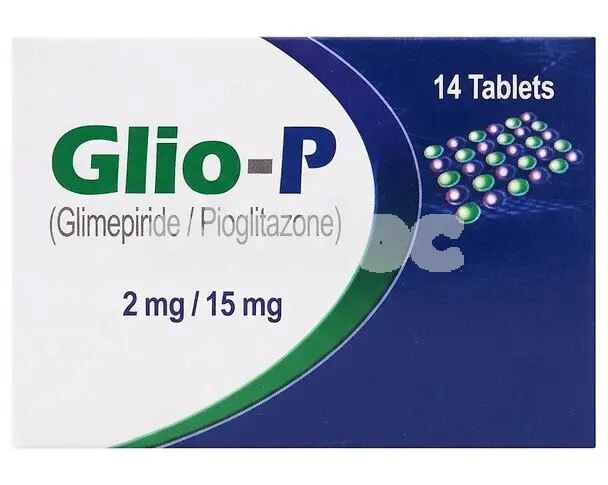
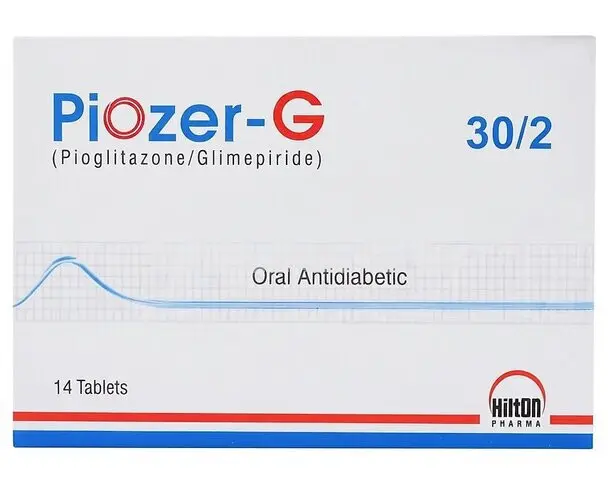
About Piozer G Tablet 30mg / 4mg
Piozer G Tablet 30mg / 4mg is a Pioglitazone and Glimepiride combination used for type 2 diabetes management.
Piozer G Tablet 30mg / 4mg Uses
- Type 2 diabetes mellitus, as an adjunct to diet and exercise
- Cases where a lower dose sulfonylurea plus pioglitazone did not achieve adequate blood sugar control
- Combination therapy for patients who need a stronger glimepiride dose alongside an insulin sensitizer
Piozer G Tablet 30mg / 4mg Benefits
- Improves insulin sensitivity in muscle and fat tissue through pioglitazone
- Stimulates additional insulin release from the pancreas at a higher glimepiride dose
- Helps achieve tighter glycemic control in patients with more pronounced insulin resistance
- Combines two complementary mechanisms in a single tablet, reducing pill burden
What Experts Say
Endocrinologists generally reserve the 4mg glimepiride strength for patients whose blood sugar stays poorly controlled on lower sulfonylurea doses combined with pioglitazone. This stepped up approach follows standard diabetes management, raising the sulfonylurea dose only after confirming the lower strength is tolerated and more beta cell stimulation is genuinely needed.
At 4mg, glimepiride carries a meaningfully higher hypoglycemia risk than the 2mg strength, particularly in patients who skip meals, exercise heavily, drink alcohol, or have reduced kidney function. Doctors typically advise closer glucose monitoring at this dose and recognizing early low sugar symptoms such as sweating, shakiness, and confusion.
Pioglitazone's action does not change with the glimepiride strength, but prescribers still weigh its known risks, fluid retention, heart failure, and fracture risk, against the benefit of improved insulin sensitivity. This higher combination is generally reserved for patients needing more intensive sulfonylurea dosing after simpler regimens fall short.
Drug Class
- Thiazolidinedione (TZD) and Sulfonylurea combination
- Antidiabetic and Antihyperglycemic agent
Piozer G Tablet 30mg / 4mg Uses in Urdu
- ٹائپ 2 ذیابیطس میں بلڈ شوگر کو کنٹرول کرنے کے لیے
- جسم میں انسولین کی حساسیت بہتر بنانے کے لیے
- لبلبے سے انسولین کا اخراج بڑھانے کے لیے
- جب اکیلی دوا سے شوگر کنٹرول نہ ہو تو مجموعی علاج کے طور پر
Piozer G Tablet 30mg / 4mg formula
- Pioglitazone + Glimepiride
How to use Piozer G Tablet 30mg / 4mg?
- Take this tablet by mouth once daily with the first main meal of the day, usually breakfast.
- Swallow the tablet whole with a glass of water. Do not crush or chew it.
- Take it at the same time each day to keep blood sugar levels steady.
- Do not skip meals after taking this tablet, since doing so raises the risk of low blood sugar.
- Follow the exact dose your doctor prescribes. Do not adjust it on your own.
Drug Interactions
- Insulin: Combining with insulin increases hypoglycemia risk and may worsen fluid retention.
- Other Antidiabetic Drugs: Using with metformin, DPP4 inhibitors, or SGLT2 inhibitors raises the chance of low blood sugar and needs dose adjustment.
- Gemfibrozil: Significantly raises pioglitazone blood levels. Concurrent use is generally avoided or requires a lower pioglitazone dose.
- Rifampicin: Reduces pioglitazone effectiveness by speeding up its breakdown in the liver.
- Alcohol: Increases the risk of severe hypoglycemia and can trigger flushing and nausea with glimepiride.
- Beta Blockers: Can mask warning signs of low blood sugar, such as a fast heartbeat, making hypoglycemia harder to detect.
- NSAIDs: Can enhance glimepiride's blood sugar lowering effect and increase hypoglycemia risk.
- CYP2C8 Inhibitors: Drugs such as gemfibrozil that inhibit this enzyme raise pioglitazone exposure significantly.
Risks and warnings
- Hypoglycemia Risk: The 4mg glimepiride dose carries a higher risk of low blood sugar than lower strengths, especially if meals are delayed or skipped.
- Heart Failure: Pioglitazone can cause or worsen fluid retention and heart failure. Report swelling, sudden weight gain, or breathlessness promptly.
- Bladder Cancer Signal: Long term pioglitazone use has been linked to a possible increase in bladder cancer risk. Report blood in urine or new urinary symptoms.
- Bone Fracture Risk: Pioglitazone is associated with a higher fracture risk, particularly in women, mainly in the hands, feet, and arms.
- Liver Function: Periodic liver function monitoring is recommended, since both components are processed by the liver.
- Kidney Impairment: Use with caution in reduced kidney function, since glimepiride clearance is affected and hypoglycemia risk rises.
- Pregnancy And Breastfeeding: Not recommended during pregnancy or breastfeeding due to insufficient safety data.
Piozer G Tablet 30mg / 4mg Side Effects
- Low blood sugar (hypoglycemia)
- Weight gain
- Swelling in the legs, ankles, or feet
- Headache
- Nausea
- Dizziness
- Upper respiratory tract infection symptoms
- Muscle or joint pain
- Shortness of breath (seek medical care)
- Rapid weight gain or chest pain (seek urgent care)
Storage Conditions
- Store below 30°C in a cool, dry place away from direct sunlight.
- Keep the tablets in their original blister pack until ready to use.
- Keep out of reach of children.
- Avoid storing in the bathroom or near a sink where moisture can reach the tablets.
- Discard expired or damaged tablets safely.