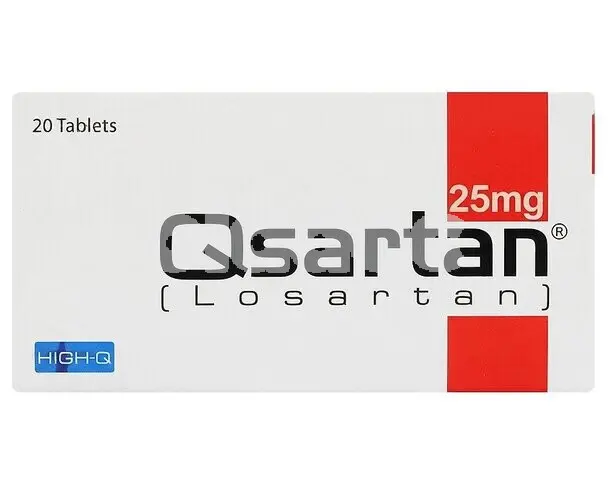
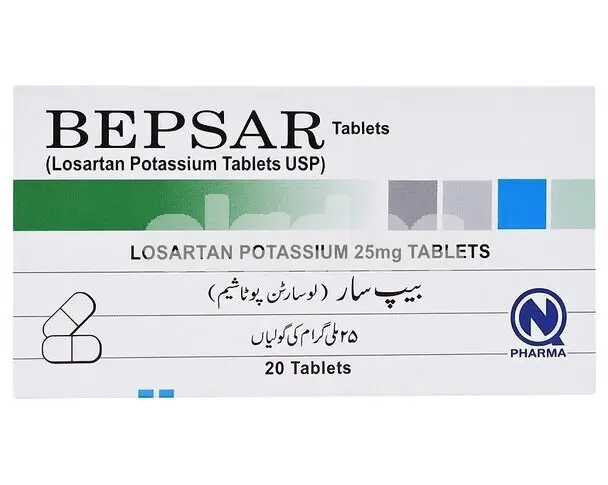
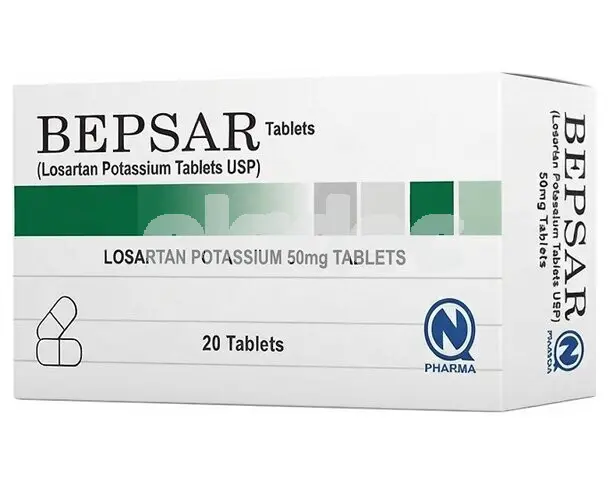
About Qsartan Tablet 25mg
Qsartan Tablet 25mg contains Losartan Potassium, an ARB used to control high blood pressure and protect the kidneys.
Qsartan Tablet 25mg Uses
- Treats high blood pressure (hypertension) in adults
- Reduces the risk of stroke in patients with high blood pressure and an enlarged heart muscle (left ventricular hypertrophy)
- Slows the progression of diabetic nephropathy (kidney disease) in people with type 2 diabetes and high blood pressure
- Used as an alternative to ACE inhibitors in heart failure management when ACE inhibitors are not tolerated
Qsartan Tablet 25mg Benefits
- Blocks the angiotensin II receptor directly, avoiding the persistent dry cough common with ACE inhibitors
- Provides kidney-protective benefits in patients with type 2 diabetes
- Low starting dose allows gradual, well-tolerated blood pressure control
- Once daily dosing supports long term adherence
Drug Class
- Angiotensin II receptor blocker (ARB)
What Experts Say
Physicians in Pakistan frequently prescribe Qsartan Tablet 25mg as a starting dose for patients newly diagnosed with hypertension, particularly those who cannot tolerate ACE inhibitors due to a persistent dry cough. Losartan blocks the angiotensin II receptor directly, which explains why cough is far less common with this drug class compared to ACE inhibitors.
Doctors often choose the 25mg strength for elderly patients, those with mild renal impairment, or patients starting antihypertensive therapy for the first time, since it allows blood pressure to be lowered gradually while monitoring for excessive drops. If blood pressure remains uncontrolled after two to four weeks, the dose is commonly increased to 50mg or 100mg once daily based on response and tolerability.
Nephrologists also value Losartan's proven ability to slow the progression of kidney disease in people with type 2 diabetes, since Pakistan carries one of the highest burdens of diabetes related kidney damage in the region. Regular monitoring of serum potassium and kidney function is recommended, especially during the first few weeks of treatment or after a dose increase.
Qsartan Tablet 25mg Uses in Urdu
- ہائی بلڈ پریشر کو کنٹرول کرنے کے لیے
- ذیابیطس کے مریضوں میں گردوں کو نقصان سے بچانے کے لیے
- فالج کے خطرے کو کم کرنے کے لیے
- دل کی کمزوری کے علاج میں معاون کے طور پر
Qsartan Tablet 25mg formula
How to use Qsartan Tablet 25mg?
- Usual starting dose is 25mg to 50mg once daily, taken at the same time each day
- Your doctor may increase the dose up to 100mg once daily based on your blood pressure response
- Can be taken with or without food
- Swallow the tablet whole with a glass of water, do not crush or chew
- Do not stop taking this medicine suddenly without consulting your doctor
- If a dose is missed, take it as soon as remembered unless it is almost time for the next dose
Drug Interactions
- NSAIDs: May reduce the blood pressure lowering effect and increase kidney risk.
- Potassium Sparing Diuretics: Potassium supplements or salt substitutes may raise potassium to unsafe levels.
- Lithium: Levels may increase, raising the risk of lithium toxicity.
- Other Blood Pressure Medicines: May cause an additive drop in blood pressure.
- Rifampicin: May reduce the effectiveness of Losartan.
- Fluconazole: May reduce conversion of Losartan to its active form.
Risks and warnings
- Pregnancy: Avoid during pregnancy, especially in the second and third trimester, as it can cause fetal injury or death.
- Breastfeeding: Not recommended during breastfeeding.
- Kidney Impairment: Use with caution, dose adjustment may be needed.
- Dehydration: Can cause a significant drop in blood pressure in patients who are dehydrated or already on diuretics.
- Hyperkalemia: May raise potassium levels in the blood, especially when combined with potassium supplements.
- Liver Impairment: Use with caution in patients with liver impairment.
- Aliskiren: Avoid combining with aliskiren in patients with diabetes or kidney disease.
Qsartan Tablet 25mg Side Effects
- Dizziness
- Fatigue or tiredness
- Low blood pressure (hypotension)
- Nasal congestion
- Back pain
- Muscle cramps
- Diarrhea
- Elevated potassium levels (hyperkalemia)
- Swelling of the face, lips, tongue or throat (angioedema, rare but serious)
- Signs of kidney problems such as reduced urination or swelling in the legs
Storage Conditions
- Store below 30°C at room temperature
- Keep tablets in the original blister pack until ready to use
- Protect from moisture, heat and direct sunlight
- Keep out of reach of children