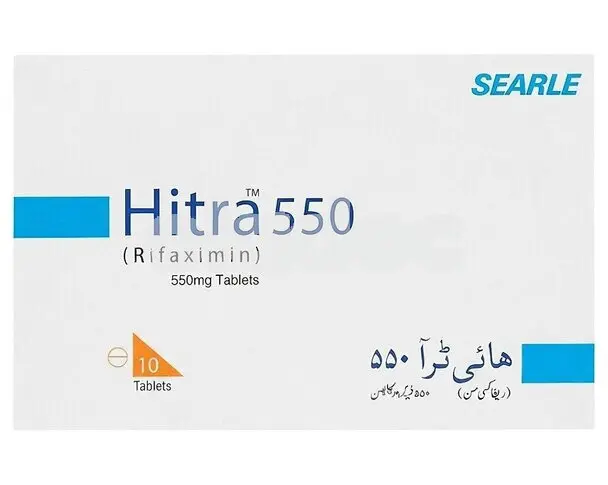
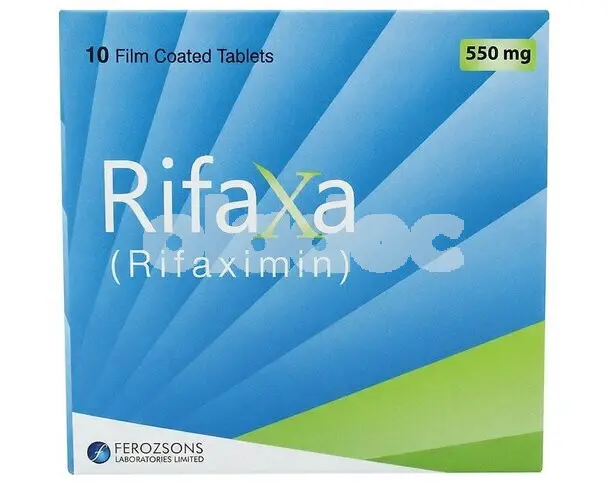
About Rifaxa Tablet 200mg
Rifaxa Tablet 200mg contains Rifaximin, a non-absorbable antibiotic for traveler's diarrhea.
Rifaxa Tablet 200mg Uses
- Treats traveler's diarrhea caused by noninvasive strains of E. coli
- Manages infectious diarrhea in adults
- Used off label for small intestinal bacterial overgrowth (SIBO)
- Helps reduce recurrence of hepatic encephalopathy episodes at higher strengths
- Used in irritable bowel syndrome with diarrhea (IBS-D) as part of gut targeted therapy
Rifaxa Tablet 200mg Benefits
- Works directly in the gut with minimal absorption into the bloodstream
- Lower risk of systemic side effects compared to absorbable antibiotics
- Short three day course effective for most traveler's diarrhea cases
- Does not significantly disturb normal gut flora balance
- Suitable for repeated courses in chronic gut conditions under medical supervision
What Experts Say
Rifaximin binds to bacterial RNA polymerase inside the gut, stopping harmful bacteria from making the proteins they need to survive. Because more than ninety percent of the drug stays inside the intestine, doctors consider it a gut selective antibiotic with a lower risk of systemic side effects than absorbable antibiotics.
Physicians in Pakistan frequently see travelers diarrhea and infectious diarrhea linked to contaminated food and water, especially in hot and monsoon months. Rifaxa Tablet 200mg given three times daily for three days is a standard first line choice for adults with watery diarrhea that has no fever or blood in the stool.
Doctors caution that rifaximin does not treat diarrhea caused by invasive bacteria such as Salmonella or Shigella, so a correct diagnosis matters before starting treatment. Patients with severe liver disease, known rifamycin allergy, or high fever should be evaluated by a doctor rather than self medicating, and symptoms lasting beyond forty eight hours need a follow up visit.
Drug Class
- Rifamycin derivative antibiotic
- Gut selective, minimally absorbed oral antibacterial
Rifaxa Tablet 200mg Uses in Urdu
- مسافروں کے اسہال کا علاج
- پیٹ کے انفیکشن سے ہونے والے دستوں میں استعمال
- آنتوں میں بیکٹیریا کی زیادتی یعنی ایس آئی بی او میں معاون
- جگر کی بیماری سے متعلق دماغی کیفیت کی روک تھام میں مددگار
- چڑچڑی آنت کے مرض میں اسہال کی شکایت کے لیے استعمال
Rifaxa Tablet 200mg formula
How to use Rifaxa Tablet 200mg?
- Take Rifaxa Tablet 200mg by mouth, with or without food
- For traveler's diarrhea, the usual adult dose is one tablet three times a day for three days
- Swallow the tablet whole with a full glass of water
- Complete the full course even if symptoms improve earlier
- Do not use for longer than the duration prescribed by your doctor
Drug Interactions
- Cyclosporine: May raise rifaximin blood levels through P glycoprotein inhibition, requiring caution in transplant patients.
- Warfarin: Rare reports of increased INR when combined with rifaximin, monitor clotting status if used together.
- Other rifamycin antibiotics: Avoid combining with rifampin or rifabutin due to overlapping antibiotic class and resistance concerns.
Risks and warnings
- Not for invasive diarrhea: Avoid use if diarrhea is accompanied by fever, blood in stool, or more than six loose stools a day, since these suggest an invasive pathogen not covered by rifaximin.
- Liver disease: Use with caution in patients with severe liver impairment, since higher systemic absorption has been observed in this group.
- Hypersensitivity: Avoid in patients allergic to rifaximin or other rifamycin antibiotics such as rifampin.
- Persistent diarrhea: Report worsening or persistent diarrhea during or after treatment, since antibiotic associated colitis can occur even with a gut selective drug.
- Pregnancy and breastfeeding: Use only if clearly needed and advised by a doctor, since safety data in pregnancy is limited.
Rifaxa Tablet 200mg Side Effects
- Headache
- Nausea
- Abdominal pain or cramping
- Flatulence
- Dizziness
- Fatigue
- Rare allergic reactions such as rash or itching
- Rare cases of Clostridioides difficile associated diarrhea
Storage Conditions
- Store at room temperature, below thirty degrees Celsius
- Keep in the original blister pack away from moisture
- Protect from direct sunlight
- Keep out of reach of children