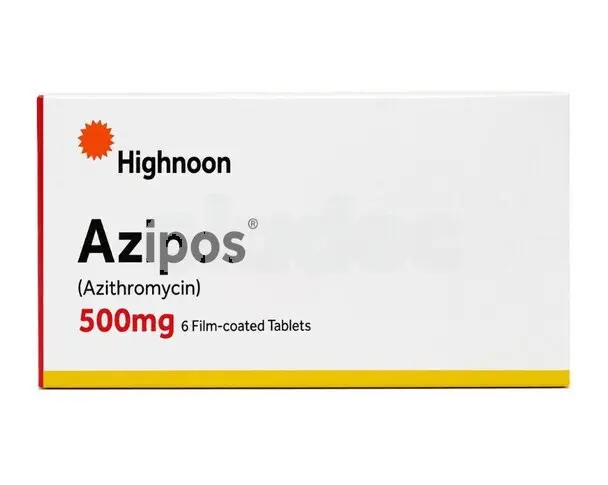
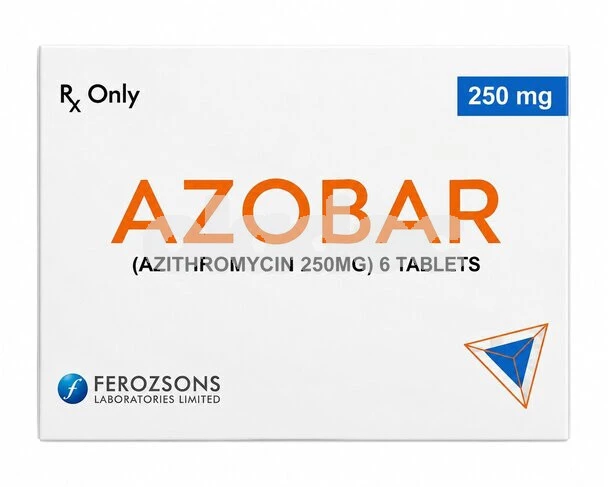
About Zetro Tablet 500mg
Zetro is a broad spectrum antibiotic tablet used to treat bacterial infections in a short course.
Zetro Tablet Uses
- Respiratory tract infections such as pneumonia, bronchitis, and sinusitis.
- Tonsillitis and pharyngitis caused by susceptible bacteria.
- Skin and soft tissue infections including acne and rosacea.
- Middle ear infections (otitis media).
- Chlamydia and certain other sexually transmitted infections.
- Typhoid fever, particularly in regions with resistance to other typhoid treatments.
Zetro Tablet Benefits
- Long half-life allows a short three to five day course to treat many infections, rather than the longer courses needed with older antibiotics.
- Reaches high concentrations inside infected tissue, supporting effective treatment of respiratory and skin infections.
- Broader coverage of gram-negative bacteria compared to Erythromycin, an older macrolide antibiotic.
- Fewer drug interactions than Erythromycin, since it has a much weaker effect on liver enzymes.
- Convenient once daily dosing improves the likelihood of completing the full course.
What Experts Say
Zetro contains Azithromycin, a macrolide antibiotic that binds to the 50S subunit of the bacterial ribosome. This blocks the translocation step needed to build new proteins, which stops bacteria from growing and reproducing. Azithromycin is closely related to Erythromycin but was developed to overcome some of its practical limitations.
Azithromycin has a much longer half-life than Erythromycin and concentrates heavily inside infected tissue rather than staying mainly in the blood. This is why a short three to five day course of Zetro can treat infections that would otherwise need a week or more of an older macrolide, with drug levels at the infection site remaining effective for days after the last dose.
Unlike Erythromycin, Azithromycin has only a weak effect on the liver enzyme system responsible for many drug interactions, which is why it interacts with far fewer medicines. It can still affect the heart's electrical activity in susceptible patients, so this risk remains relevant even though its overall interaction profile is considerably shorter than Erythromycin's.
Drug Class
- Macrolide Antibiotic (Azalide)
Packaging and Quantity
- Pack of 6 tablets (2 strips of 3 tablets each).
When Not to Use Zetro
- If you have a known allergy or hypersensitivity to Azithromycin, Erythromycin, or other macrolide antibiotics.
- If you have a history of liver problems linked to previous Azithromycin use.
- If you have a known heart rhythm disorder affecting the QT interval.
- If you have a history of cholestatic jaundice linked to previous Azithromycin use.
Zetro Tablet Uses in Urdu
Zetro ایک اینٹی بائیوٹک دوا ہے جو مختلف بیکٹیریل انفیکشن جیسے پیشاب کی نالی کے انفیکشن، اوپری اور نچلے سانس کی نالی کے انفیکشن، جلد کے انفیکشن، ٹائیفائیڈ، سائنوسائٹس اور اوٹائٹس میڈیا وغیرہ کے علاج کے لیے استعمال ہوتی ہے۔ جو بیکٹیریا کی افزائش کو روک کر کام کرتا ہے۔ زیادہ تر، میکولائڈ اینٹی بائیوٹکس دی جاتی ہیں اگر بیکٹیریا پینسلن اینٹی بائیوٹکس کے خلاف مزاحم ہوں۔ تاہم، چونکہ اینٹی بائیوٹکس صرف بیکٹیریل انفیکشن کے خلاف موثر ہیں، اس لیے وائرل انفیکشن کے علاج کے لیے زیٹرو کو استعمال کرنے کا مشورہ نہیں دیا جاتا ہے۔
Zetro Tablet 500mg formula
Available forms
- Tablets
- Capsules
- Suspension
How to use Zetro Tablet 500mg?
- Zetro tablet may be taken with or without food, though food can help if it causes stomach upset.
- The tablet should be swallowed whole with a glass of water.
- Zetro tablet is usually taken once daily, at the same time each day.
- The full course should be completed exactly as prescribed, even if symptoms improve before it is finished.
- Antacids should be avoided within two hours of taking Zetro tablet, since they can reduce its absorption.
- The dose should not be increased or the course extended beyond what a doctor has recommended.
Drug Interactions
Azithromycin has fewer interactions than many antibiotics, though a few are worth noting. The following should be noted:
- Antacids: Taking antacids within two hours of Zetro tablet can reduce how much Azithromycin is absorbed.
- Warfarin: Zetro tablet can increase Warfarin's blood thinning effect, raising the risk of bleeding.
- Digoxin: Zetro tablet can raise Digoxin blood levels, increasing the risk of toxicity.
- Other QT Prolonging Medicines: Combining Zetro tablet with other medicines that affect heart rhythm increases the risk of an abnormal heartbeat.
Risks and warnings
- Heart rhythm risk: Azithromycin can prolong the QT interval, so caution is needed in patients with existing heart rhythm problems or those taking other QT affecting medicines.
- Liver disease: Azithromycin has been linked to liver related side effects, so patients with existing liver problems should be monitored closely.
- Myasthenia gravis: Azithromycin can worsen muscle weakness in patients with this condition.
- Kidney disease: Dose adjustment may be needed in patients with significant kidney impairment.
- Pregnancy: Zetro tablet should only be used during pregnancy when clearly needed and directed by a doctor.
- Antibiotic resistance: Using Zetro tablet when it is not needed, or not completing the full course, contributes to antibiotic resistance.
- Hearing changes: High doses or prolonged use have been linked to temporary hearing loss in some patients.
Zetro Tablet Side Effects
Zetro tablet generally causes less stomach upset than older macrolide antibiotics, though some patients still notice:
- Diarrhea.
- Nausea.
- Abdominal pain.
- Headache.
Effects that call for prompt medical attention are less common but include:
- Irregular or rapid heartbeat.
- Yellowing of the skin or eyes, which may signal liver involvement.
- Severe allergic reaction including facial swelling or difficulty breathing.
Storage Conditions
- Store at room temperature, below 30°C.
- Keep away from direct sunlight, heat, and moisture.
- Store in the original packaging until ready to use.
- Keep out of reach and sight of children.
- Do not use after the expiry date printed on the packaging.
- Do not store in the bathroom or near a kitchen sink.