





Jojoba oil is one of the most versatile natural oils in skincare and haircare today. It comes from the seeds of the jojoba plant and has properties that make it suitable for nearly every skin and hair type.
This guide covers everything about jojoba oil, from what it is called in Urdu to its benefits for hair, skin and face, how to use it, and what it costs locally.
Table of Contents
Key Takeaways
- Liquid wax, not oil: Jojoba oil is technically a liquid wax whose structure closely resembles the skin’s own natural oil.
- Urdu name: In Pakistani Urdu, it is called جوجوبا آئل or جوجوبا کا تیل (jojoba ka tel).
- Works for most skin types: It is suitable for oily, dry, and sensitive skin without causing breakouts or greasiness.
- Hair and scalp: Regular use supports hair growth, reduces dandruff, and adds shine.
- Patch test first: Apply a small amount to the inner wrist and wait 24 hours before full use.
| Quick Answer: What Is Jojoba Oil? Jojoba oil is a natural liquid wax extracted from the seeds of the jojoba plant (Simmondsia chinensis), native to North America. Its molecular structure closely resembles the skin’s natural sebum, making it suitable for all skin types. It is widely used to support hair growth, reduce dandruff, hydrate skin, and treat acne with consistent daily use. |
What Is Jojoba Oil?
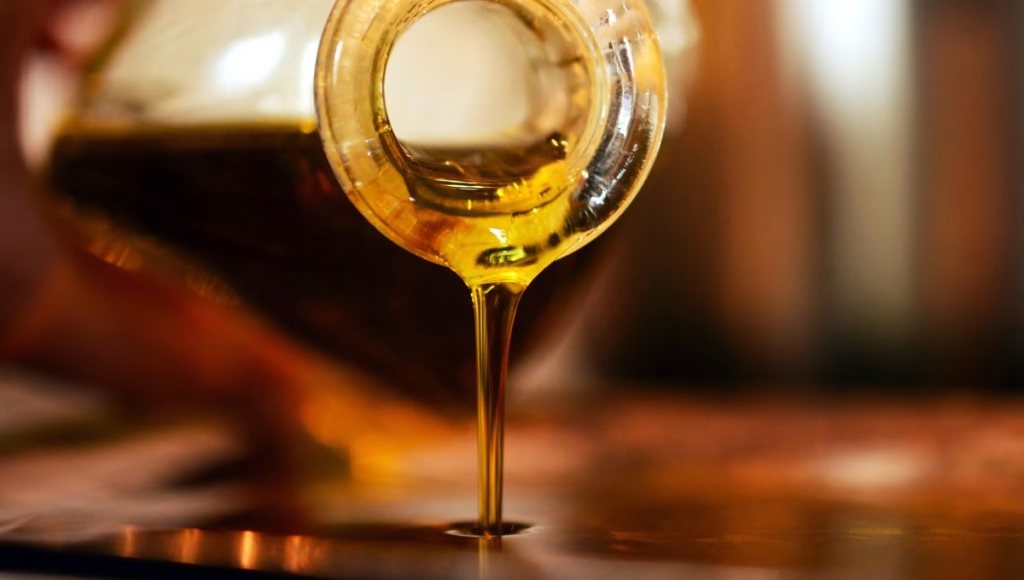
Jojoba oil is extracted from the seeds of the jojoba plant, a shrub native to the arid regions of North America. Despite being called an oil, it is technically a liquid wax, which is why it has an exceptionally long shelf life and does not go rancid easily.
Its molecular structure closely resembles the skin’s natural sebum, the oil produced by the skin’s own glands. This similarity is the main reason jojoba oil is well tolerated by sensitive, oily, and dry skin alike.
It has a light golden color, a faintly nutty scent, and absorbs quickly without leaving a greasy residue. These qualities make it one of the most widely used carrier oils in natural skincare and haircare routines.
Jojoba Oil in Urdu
Jojoba oil does not have a classical Urdu name, as the jojoba plant is not native to South Asia and was not part of traditional South Asian herbal medicine.
In everyday Pakistani Urdu, it is most commonly referred to as جوجوبا آئل or جوجوبا کا تیل (jojoba ka tel), which simply means “jojoba’s oil.” Both terms are widely understood and used interchangeably.
Most pharmacies, health stores, and online retailers list it under its English name. Searching for “jojoba oil” in local markets or online will return the correct product regardless of the spelling or language used.
Top Jojoba Oil Benefits
1. Jojoba Oil Benefits for Hair
Jojoba oil conditions the scalp and strengthens hair follicles, making it one of the most effective natural options for hair health. It improves blood circulation to the scalp, which supports stronger growth and reduces excess shedding over time.
It also provides deep moisture to the scalp, helping reduce dandruff caused by dryness. Applying it two to three times a week and leaving it for at least 30 minutes before shampooing produces the most consistent results.
For hair ends, a few drops applied after washing adds shine and reduces frizz without weighing the hair down. It also forms a light protective layer that reduces heat damage from styling tools.
2. Jojoba Oil Benefits for Skin
Jojoba oil is a deeply hydrating moisturizer that absorbs quickly and does not leave a greasy finish. Its similarity to natural skin sebum means it replenishes moisture without disrupting the skin’s own oil balance.
Its anti-inflammatory properties reduce redness, irritation, and itching, making it helpful for conditions like eczema and dry skin patches. It soothes the skin without causing sensitivity reactions in most people.
The antioxidants in jojoba oil protect against free radical damage, which contributes to premature aging. With regular use, skin tends to feel firmer and fine lines appear less visible over time.
3. Jojoba Oil Benefits for Face
Jojoba oil is one of the few oils genuinely suitable for oily and acne-prone skin. Because it mimics the skin’s sebum, it signals to the skin that it already has enough oil, which can reduce excess oil production and lower the likelihood of clogged pores.
It also has mild antibacterial properties that help control acne-causing bacteria on the skin surface. Two to three drops massaged gently onto a clean face before bed is a simple, effective routine.
For makeup removal, jojoba oil lifts product away effectively without irritating the eyes or skin. It leaves the face clean and hydrated rather than stripped or tight.
How to Use Jojoba Oil
For hair, apply a small amount directly to the scalp, massage for a few minutes, and leave for at least 30 minutes before washing with shampoo. For skin, warm a few drops between the fingertips and apply to clean, slightly damp skin for better absorption.
For the face, apply two to four drops after cleansing and before moisturizer. It works well under SPF during the day and as a final hydration step in a nighttime routine.
As a carrier oil, jojoba oil can be mixed with essential oils for targeted applications. Always dilute essential oils before applying to skin, as undiluted essential oils can cause irritation.
Jojoba Oil Price in Pakistan
Jojoba oil is widely available through pharmacies, natural health stores, and online platforms. Local brands typically offer 30 ml bottles in the range of Rs. 400 to Rs. 800, making it one of the more affordable natural skincare oils available locally.
Imported and international brands, including products by Saeed Ghani and other well-known suppliers, are priced between Rs. 1,200 and Rs. 3,000 depending on volume and quality.
When buying, look for products labeled “cold-pressed” and “100% pure jojoba oil” with a complete ingredients list. Products with added fragrances or fillers dilute the active compounds and reduce effectiveness.
Possible Side Effects and Precautions
Jojoba oil is generally safe for topical use. However, some individuals may experience an allergic reaction, particularly those with sensitivities, as jojoba belongs to a plant family that can trigger reactions in rare cases.
Before first use, apply a small amount to the inner wrist and wait 24 hours to check for redness, itching, or swelling. If any reaction occurs, discontinue use immediately and consult a doctor.
Jojoba oil is for external use only. Keep it away from the eyes and out of reach of children. Pregnant women should consult a healthcare provider before adding any new topical oil to their routine.
Have Skin or Hair Concerns? Talk to a Dermatologist at oladoc
If jojoba oil or other natural remedies have not improved your skin or hair condition after consistent use, a specialist evaluation is the right next step.
A skin specialist in Karachi can identify the underlying cause of hair loss, acne, or persistent skin dryness and recommend a treatment plan tailored to your specific needs.
Natural oils support skin health but are not a substitute for professional diagnosis and medical treatment for ongoing or worsening conditions.
Conclusion
Jojoba oil is one of the most versatile natural oils available, with genuine benefits for hair growth, skin hydration, and facial care. Its close resemblance to the skin’s own sebum makes it safe and effective across a wide range of skin and hair types.
Consistent use over several weeks produces the most visible results. Buy cold-pressed and pure, always patch test first, and consult a dermatologist if skin or hair concerns persist despite regular use.
Frequently Asked Questions
What is jojoba oil called in Urdu?
In Pakistani Urdu, jojoba oil is called جوجوبا آئل or جوجوبا کا تیل (jojoba ka tel). It does not have a classical Urdu name as the jojoba plant is not native to South Asia.
Can jojoba oil be used daily?
Yes. Jojoba oil is gentle enough for daily use on both skin and hair. A small amount applied regularly delivers more consistent results than heavy, infrequent applications.
Is jojoba oil good for oily or acne-prone skin?
Yes. Jojoba oil closely mimics the skin’s natural sebum, which can help regulate excess oil production and reduce breakouts. It is non-comedogenic for most people, meaning it does not block pores under normal use.
How long should jojoba oil be left on hair?
Leave jojoba oil on the hair and scalp for at least 30 minutes before shampooing. Leaving it overnight gives deeper conditioning results. Rinse thoroughly with shampoo afterward to avoid the hair feeling heavy.
What is jojoba oil price in Pakistan?
Local brand prices start from around Rs. 400 for a 30 ml bottle, while imported brands range from Rs. 1,200 to Rs. 3,000. Cold-pressed, pure jojoba oil costs more but produces more reliable results.
