




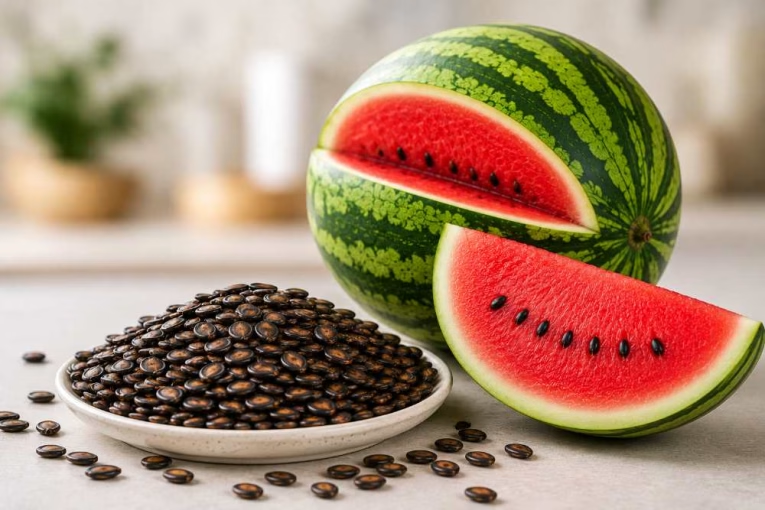
You probably spit them out without a second thought while eating a slice. But watermelon seeds deserve a second look.
They carry protein, healthy fats, and minerals that the juicy red flesh does not offer in the same amount. Roasted, dried, or ground, these small seeds can do more for your body than most people realize.
Table of Contents
Are Watermelon Seeds Good for You?
Yes, watermelon seeds are good for you. They are rich in magnesium, zinc, iron, and plant-based protein, along with heart-friendly fats.
A single ounce of dried watermelon seeds gives you close to 30 grams of protein. That is more than most nuts offer in the same amount. They also contain no added sugar, unlike the fruit’s flesh.
What Nutrients Are Packed Into Watermelon Seeds?
Watermelon seeds pack a surprising amount of nutrition into a small serving. The table below breaks down what you get from one ounce, roughly 28 grams, of dried seeds.
| Nutrient | Amount per 28g | Why It Matters |
| Protein | 28 to 30 g | Supports muscle repair and keeps you full longer |
| Magnesium | 139 mg (about 33% DV) | Helps regulate blood pressure and nerve function |
| Zinc | 2.5 mg | Supports immune response and wound healing |
| Iron | 2 mg | Helps prevent fatigue linked to low iron levels |
| Healthy fats | 13 g (mostly unsaturated) | Supports heart health when replacing saturated fats |
| Fiber | 1.5 g | Aids digestion and slows sugar absorption |
These numbers can shift slightly depending on whether the seeds are raw, roasted, or sprouted.
How Do Watermelon Seeds Support Heart Health?
Watermelon seeds support heart health through their fat profile and magnesium content. Both work together to help manage blood pressure and cholesterol levels.
The fats in these seeds are largely unsaturated. Research on seed-based fats suggests they can help lower bad cholesterol when they replace saturated fats in the diet.
Magnesium plays a separate role here too. It helps blood vessels relax, which can support healthier blood pressure over time.
That said, seeds alone will not fix an unhealthy diet. They work best as part of a balanced eating pattern, not a standalone fix.
Can Watermelon Seeds Help With Weight or Blood Sugar?
Watermelon seeds may support weight management because of their protein and fiber content. Both nutrients slow digestion and help you feel full for longer.
Protein takes more energy to digest compared to carbohydrates. This can slightly increase calorie burn during digestion, a process called the thermic effect of food.
For blood sugar, the fiber in watermelon seeds slows how quickly sugar enters your bloodstream. This may help prevent sharp spikes after meals, though more direct research on humans is still limited.
Do Watermelon Seeds Help Skin and Hair?
Watermelon seeds may benefit skin and hair through their zinc, iron, and healthy fat content. These nutrients support collagen production and reduce hair breakage.
Zinc plays a direct role in skin repair and oil regulation. A lack of zinc has been linked to slower wound healing and dull skin in several studies.
The unsaturated fats in these seeds also help keep skin hydrated from within. This is a slower, longer-term benefit rather than an overnight fix.
Roasted vs Raw Watermelon Seeds: Which Is Better?
Roasted watermelon seeds are easier to eat and digest, since roasting softens the outer shell. Raw seeds retain slightly more of their natural fat content but are harder to chew whole.
Here is a quick comparison to help you choose.
- Roasted seeds are easier to snack on and have less moisture. They’re the more common form in South Asian kitchens.
- Raw seeds hold more of their natural moisture and are often ground into a powder or paste for cooking.
- Sprouted seeds are less common at home, but sprouting seems to make some nutrients easier to absorb.
Both forms offer similar core nutrients. The choice mostly comes down to taste and how you plan to use them.
How to Add Watermelon Seeds to Your Diet
Adding watermelon seeds to daily meals does not require much effort. A few simple methods work well for most people.
- Dry roast them plain in a pan for 5 to 7 minutes, until golden.
- Blend a spoonful of ground seeds into a smoothie for extra protein.
- Sprinkle roasted seeds over a salad for crunch.
- Mix them into yogurt with fruit for a filling breakfast.
- Grind them into flour and use it in baking.
Start with a small handful, around one ounce, and adjust based on how your body responds.
Possible Side Effects and Who Should Be Careful
Watermelon seeds are generally safe for most people when eaten in normal amounts. Problems mostly show up with excessive intake or in specific health conditions.
Eating very large quantities may cause bloating or an upset stomach, largely due to the fiber content. People with kidney concerns should also watch their intake, since the seeds are relatively high in phosphorus and potassium.
Anyone with a known seed or tree nut allergy should introduce watermelon seeds slowly and watch for reactions.
If you already enjoy watermelon, you might also want to read this breakdown of the top health benefits of watermelon, which covers the fruit’s flesh separately from its seeds.
When Should You See a Nutritionist at oladoc?
Most people can enjoy watermelon seeds without any issue. But if you notice persistent digestive discomfort, unexplained weight changes, or you are managing a kidney condition, it is worth getting personalized advice.
A nutritionist can help you figure out the right serving size for your specific health needs, rather than relying on generic guidelines. This matters more if you already take medication for blood pressure or kidney function.
You can consult a top nutritionist in Rawalpindi through oladoc to get a diet plan tailored to your actual lab results and lifestyle.
The Takeaway
Watermelon seeds are far more useful than most people give them credit for. They bring protein, magnesium, zinc, and healthy fats in a small, snackable package.
They are not a miracle food, and they will not replace a balanced diet on their own. But roasted, blended, or sprinkled over a meal, they are an easy way to add real nutrition to your day.
FAQs
Yes, a small handful daily is generally safe for most healthy adults. Stick to about one ounce to avoid digestive discomfort.
No, raw seeds are edible too. Roasting just makes them easier to chew and digest.
Black seeds are fully mature and contain slightly more nutrients than the soft white seeds found in seedless varieties. Both are safe to eat.
Eating them in moderation supports weight management rather than weight gain. Overeating any calorie-dense food, including these seeds, can add up.
Their zinc and healthy fat content may support scalp health and reduce breakage. They are not a direct cure for hair loss.
Yes, in normal food amounts, watermelon seeds are considered safe during pregnancy. Anyone with specific health conditions should still check with their doctor first
