




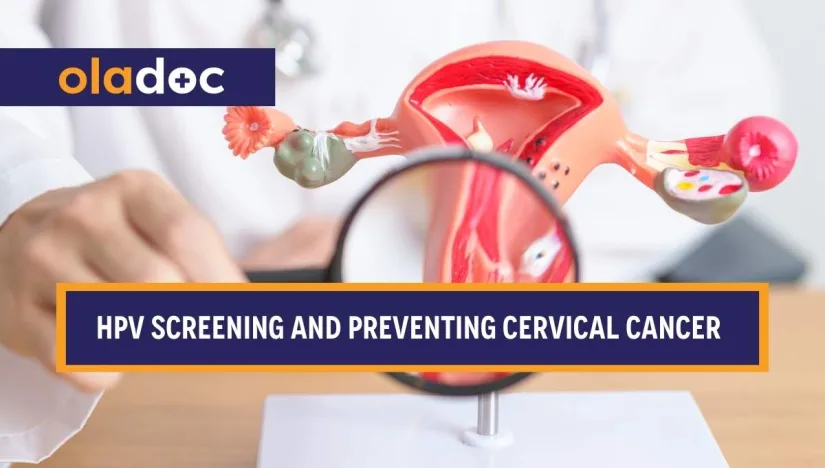
Cervical cancer is one of the most preventable cancers that exists. Yet thousands of women in Pakistan are diagnosed at advanced stages every year, simply because no one told them about HPV screening.
The test is straightforward. The timing matters. And catching this early genuinely changes outcomes.
Table of Contents
What Is HPV Screening?
HPV screening is a test that checks for the human papillomavirus in cervical cells. HPV is a common virus passed through skin-to-skin contact during sex. Most infections clear on their own, but certain high-risk strains can cause cell changes that develop into cervical cancer over many years. The test finds those strains before any damage becomes serious.
Why HPV Is the Starting Point for Cervical Cancer
Most cervical cancers start because of HPV. Not all HPV types cause cancer, but types 16 and 18 are responsible for roughly 70% of all cervical cancer cases worldwide.
The virus can live in your body silently for years. There are no symptoms. That is exactly why waiting to “feel something wrong” does not work here.
Screening interrupts that silence before the virus does lasting damage.
How the Test Works
An HPV test is done the same way as a Pap smear. A doctor or nurse takes a small sample of cells from your cervix during a routine pelvic exam.
The sample goes to a lab. Results come back within a few days to a couple of weeks. You may also hear about a “co-test,” which checks for both HPV and abnormal cells at the same time.
The procedure itself takes a few minutes and is usually done in a clinic or gynecology office.
When Should You Get Screened?
Age matters when it comes to screening schedules:
- Ages 21 to 29: A Pap smear every three years is typically recommended.
- Ages 30 to 65: An HPV test alone every five years, or a Pap smear every three years, or both together every five years.
- Under 21: Routine HPV screening is not recommended, even if sexually active.
- Over 65: Screening can often stop if your recent results have been normal, but your doctor should confirm this.
These are general guidelines. Your own history, including previous abnormal results or a weakened immune system, may mean a different schedule applies to you.
What Your Results Actually Mean
Getting an HPV-positive result is not a cancer diagnosis. It means a high-risk strain of HPV was detected in your cervical cells.
For most women, the body clears the infection within one to two years. For some, cell changes may develop and need monitoring. Your doctor will recommend a follow-up colposcopy if needed, which is a closer look at the cervix using a magnifying tool.
A negative result means no high-risk HPV was found. That is a strong result, but it does not mean you skip future screening.
The HPV Vaccine: Prevention Before Exposure
The HPV vaccine is the most direct way to reduce your risk of cervical cancer. It protects against the strains most likely to cause cancer.
The vaccine works best before any exposure to HPV, which is why it is recommended for girls aged 9 to 14. That said, women up to age 45 can still benefit, especially if they have not been vaccinated before.
Vaccination does not replace screening. Even vaccinated women should continue routine HPV testing, because the vaccine does not protect against every HPV strain.
Lifestyle Factors That Affect Your Risk
Certain patterns increase the likelihood that an HPV infection will progress rather than clear:
- Smoking weakens the cells in the cervix and makes it harder to fight the virus.
- A weakened immune system from conditions like HIV or long-term steroid use reduces your body’s ability to clear HPV naturally.
- Long-term use of the contraceptive pill over many years has shown a modest association with cervical cancer risk.
- Multiple sexual partners increases the chance of exposure to different HPV strains.
None of these make cancer inevitable. They are reasons to stay consistent with screening.
When to Consult a Specialist
See a gynecologist if your last HPV test was positive and you have not had a follow-up. See one if you have never been screened and are over 21. See one if you notice any unusual bleeding, including after sex, between periods, or after menopause.
Most women who receive an HPV diagnosis do not develop cancer. But the ones who do are almost always those who were not monitored. Verified gynecologists are available for consultation in Lahore and other major cities across Pakistan.
The Takeaway
HPV screening finds a problem years before it becomes dangerous. Getting tested on schedule, following up on positive results, and vaccinating your daughters early are three steps that genuinely reduce your risk of cervical cancer.
Frequently Asked Questions
Does HPV always lead to cervical cancer?
No. Most HPV infections clear on their own within one to two years without any treatment. Only specific high-risk strains, mainly types 16 and 18, can cause cervical cancer, and only when the infection persists without clearing.
Can I get an HPV test if I am not sexually active?
HPV is almost always transmitted through sexual contact, so testing is generally recommended for women who are or have been sexually active. Your doctor can advise based on your personal history.
How long does it take for HPV to turn into cervical cancer?
HPV-related cervical cancer typically takes 10 to 15 years to develop after infection. This long window is exactly why regular screening is so effective at catching and stopping the process early.
Is the HPV vaccine safe for adults?
Yes. The HPV vaccine has been studied extensively and is considered safe for women up to age 45. Side effects are typically mild, including soreness at the injection site or a brief fever.
What happens after an abnormal Pap or HPV result?
Your doctor will likely recommend a colposcopy, a procedure that examines your cervix more closely. Depending on what is found, monitoring or minor treatment to remove abnormal cells may follow. Most cases do not require major intervention.
Should I still get screened if I have had the HPV vaccine?
Yes. The vaccine protects against the most common high-risk strains but not all of them. Routine screening remains necessary even after vaccination.


