




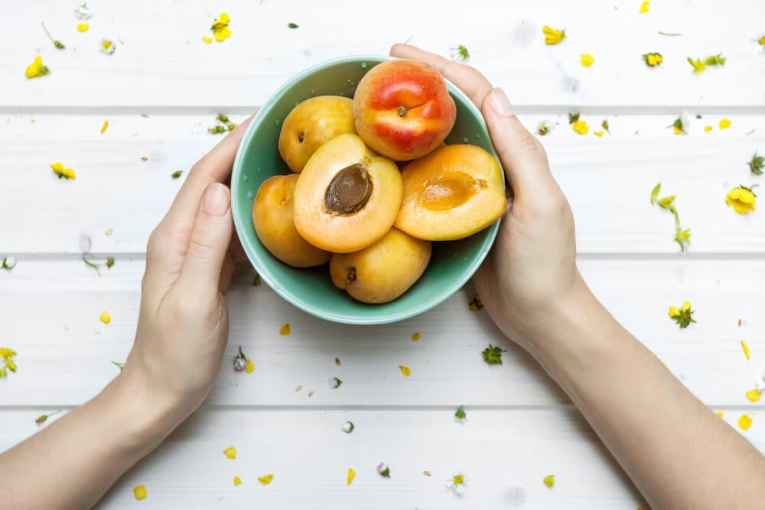
A single peach has fewer than 60 calories, yet it delivers a solid dose of vitamin C, fiber, and antioxidants. That makes it one of the easiest fruits to add to a daily diet without worrying about weight gain.
Peach is known as aaru in Urdu; it shows up in local markets from late spring through summer.
یہ آڑو (پیچ) کا موسم ہے اور یہ پھل ذائقے کے ساتھ ساتھ صحت کے لیے بھی بہت فائدہ مند ہے۔ کم کیلوریز، وٹامن سی اور فائبر سے بھرپور یہ پھل روزمرہ کی خوراک میں آسانی سے شامل کیا جا سکتا ہے۔
This article breaks down their nutrition facts, real health benefits, and how to fit them into your diet.
Table of Contents
Peach Nutrition Facts (Per 100g and Per Peach)
Peaches are mostly water, which keeps their calorie count low. The table below shows the core nutrition profile.
| Nutrient | Per 100g | Per medium peach (150g) |
| Calories | 39 kcal | 58 kcal |
| Carbohydrates | 9.5 g | 14 g |
| Fiber | 1.5 g | 2.3 g |
| Sugar | 8.4 g | 12.6 g |
| Vitamin C | 6.6 mg | 10 mg |
| Potassium | 190 mg | 285 mg |
| Vitamin A | 326 IU | 489 IU |
This makes peach a low-calorie, nutrient-dense fruit choice. It fits easily into weight management plans and diabetic-friendly meal plans in moderate portions.
Health Benefits of Peach (Aaru)
Each benefit below ties to a specific nutrient peaches provide.
Supports Digestion
Peach skin contains fiber that adds bulk to stool and supports regular bowel movements. This fiber also feeds beneficial gut bacteria, which supports overall gut health.
Eating the peach with its skin on gives the most fiber benefit. Peeling it removes a meaningful portion of that fiber.
Boosts Skin Health
Vitamin C in peaches helps the body produce collagen, a protein that keeps skin firm. Antioxidants in the fruit also help reduce damage from sun exposure and pollution.
Many people use peach pulp in homemade face packs for this reason. The internal benefit from eating the fruit matters more than topical use, though.
Helps Manage Blood Pressure
Potassium in peaches helps balance sodium levels in the body. This balance supports healthy blood pressure, especially in diets that already run high in salt.
A traditional diet includes a fair amount of salt from pickles, chutneys, and fried snacks. Adding potassium-rich fruits like peaches can help offset that.
Supports Eye Health
Peaches contain vitamin A and lutein, both linked to healthy vision over time. These compounds help protect the retina from oxidative stress.
Regular fruit intake, including peaches, is associated with a lower risk of age-related vision decline in research studies.
May Support Weight Management
At under 60 calories per fruit, peaches work well as a low-calorie snack. Its water and fiber content also promote a feeling of fullness.
Swapping a sugary snack for a fresh peach cuts calorie intake without leaving you hungry an hour later.
Peach Juice Benefits vs Whole Peach
Fresh peach juice retains some vitamin C and potassium, but it loses almost all the fiber found in the whole fruit. Store-bought peach juice often adds extra sugar too.
For the full nutritional benefit, a whole peach beats juice in almost every case. Juice works better as an occasional treat than a daily habit.
How to Add Peaches to Your Diet
A few practical ways to use peach year-round or in season:
- Eat it fresh with the skin on for maximum fiber
- Slice into breakfast oats or yogurt for added texture and vitamin C
- Blend into a smoothie with milk or curd for a filling snack
- Add to fruit chaat with chaat masala for a local twist
- Dice into salads for natural sweetness without added sugar
Possible Side Effects and Precautions
Peaches are safe for most people, but a few groups should be cautious.
- People with fruit allergies may experience itching or swelling around the mouth after eating peaches, known as oral allergy syndrome.
- People with diabetes should watch portion size, since peaches still contain natural sugar.
- People with kidney conditions should moderate intake due to the potassium content.
- Unwashed peaches can carry pesticide residue on the skin, so wash thoroughly.
Anyone with an existing health condition should check portion sizes with a professional rather than guessing.
When Should You See a Nutritionist at oladoc?
If you’re managing diabetes, kidney disease, or a specific weight goal, it’s worth getting a proper diet plan instead of guessing fruit portions on your own. A nutritionist can tell you exactly how much fruit fits your daily targets.
It’s also worth talking to a nutritionist in Islamabad if you notice allergy symptoms like mouth itching after eating stone fruits such as peach, plum, or cherry.
The Takeaway
Peach, or aaru, is a low-calorie fruit rich in vitamin C, potassium, and fiber. It supports digestion, skin health, and blood pressure control when eaten regularly.
Whole peach offers more benefits than peach juice, since juice loses most of the fiber. Most people can enjoy one to two peaches a day as part of a balanced diet.
FAQs
A medium peach, about 150 grams, contains roughly 58 calories. A 100-gram serving has about 39 calories.
Yes, peach is low in calories and high in fiber and water, which helps you feel full. It works well as a snack replacement for higher-calorie options.
Yes, in moderate portions. Peach has a moderate glycemic index, so one small to medium peach at a time is generally fine, but check with a doctor for personalized advice.
No, peach juice loses most of the fiber found in the whole fruit and often contains added sugar. Whole peach is the better choice nutritionally.
Yes, the vitamin C and antioxidants in peach support collagen production and help protect skin cells from damage.
Yes, excess intake can cause digestive discomfort due to natural sugar and fiber, and those with fruit allergies may notice mouth irritation.
