

Book Appointment with the best "General Physicians"
Book AppointmentThese tiny seeds sit in your kitchen, sprinkled on bread or mixed into oil, and most people have no idea what they actually do inside the body.
Sesame seeds are one of the most nutrient-dense foods available. They carry calcium, zinc, magnesium, iron, and a group of plant compounds called lignans, all packed into a single tablespoon.
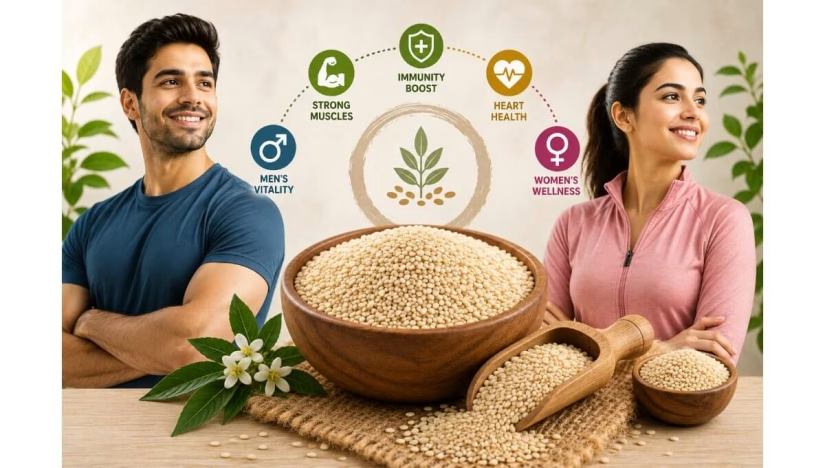
For men, they support testosterone and sperm health. For women, they help regulate hormones, protect bones, and ease menopausal symptoms. The benefits are different by sex, and that’s exactly what this article covers.
What Are Sesame Seeds?
Sesame seeds are small, oil-rich seeds from the Sesamum indicum plant. They come in white, black, and brown varieties. All three are edible and nutritious, though black sesame seeds tend to have a slightly higher antioxidant content.
They contain two lignans, sesamin and sesamolin, found almost exclusively in sesame. These compounds act as antioxidants and influence how the body processes hormones.
One tablespoon of sesame seeds provides roughly 88 mg of calcium, 1.3 mg of iron, and 0.7 mg of zinc, which makes them one of the most mineral-rich seeds per gram.
Nutritional Profile of Sesame Seeds
Sesame seeds pack a lot of nutrition into a very small serving. Per 100 grams, here is what they contain:
| Nutrient | Amount (per 100g) | Key Role in the Body |
| Calcium | 975 mg | Bone density, nerve function |
| Zinc | 7.75 mg | Testosterone, sperm quality, immunity |
| Magnesium | 351 mg | Muscle function, blood pressure |
| Iron | 14.5 mg | Red blood cell production |
| Protein | 17.7 g | Muscle repair, enzyme production |
| Copper | 4.1 mg | Joint health, collagen production |
| Vitamin B6 | 0.79 mg | Hormonal balance, brain function |
| Sesamin/Sesamolin | Present | Antioxidant, hormonal regulation |
Sesame seeds have been used in traditional medicine across South Asia, the Middle East, and East Asia for thousands of years, and the nutritional data makes it easy to see why.
Sesame Seeds Benefits for Males
Sesame seeds support male health primarily through zinc, the mineral most directly linked to testosterone production and sperm function.
Men with zinc deficiency often have lower testosterone levels, poor sperm motility, and reduced fertility. Sesame is one of the richest plant-based sources of this mineral.
A clinical study published in the Journal of Research in Medical Sciences found that men who consumed 0.5 grams of sesame per kilogram of body weight daily for three months showed significant improvements in sperm count and motility. Researchers attributed the improvement to zinc, antioxidants, and sesame lignans working together.
Testosterone and Hormonal Health
Zinc in sesame seeds plays a direct role in testosterone production. Low zinc is a well-documented cause of low testosterone in men of all ages.
Sesame also contains phytosterols, plant compounds that are structurally similar to cholesterol. Cholesterol is the raw material the body uses to make testosterone. Some research suggests phytosterols may help maintain healthy testosterone levels naturally.
Sesamin, a lignan in sesame, has been shown to reduce oxidative stress in testicular tissue. Less oxidative damage means better hormonal signaling.
Sperm Quality and Fertility
Sperm cells are highly sensitive to oxidative damage. Antioxidants protect them during production and transit.
Sesame seeds contain vitamin E, selenium (in small amounts), and sesaminol, all of which help reduce oxidative stress. The Journal of Research in Medical Sciences study found measurable improvements in sperm morphology (shape), count, and motility.
For men thinking about fertility, sesame is not a treatment, but it does offer real dietary support.
Prostate health
Sesamin has shown anti-inflammatory effects in cell and animal studies. Some research points to its potential role in reducing oxidative stress in prostate tissue.
This does not mean sesame seeds treat or prevent prostate disease. As part of a diet rich in antioxidants and healthy fats, though, they contribute to long-term prostate cell health.
Sesame Seeds Benefits for Females
For women, sesame seeds work at different life stages, from the reproductive years through menopause. The plant lignans are the main driver.
Lignans are phytoestrogens, meaning they are plant compounds that can weakly mimic estrogen activity in the body. When estrogen levels are high, lignans can act as mild blockers. When estrogen drops, as in menopause, they can provide gentle support.
Menstrual Health and Hormonal Balance
Sesame seeds can help regulate the menstrual cycle by supporting estrogen balance. The phytoestrogens in sesame interact with estrogen receptors without the risks of synthetic hormones.
Some women include sesame seeds in a practice called seed cycling, where they eat specific seeds during each half of the menstrual cycle to support natural hormone shifts. In the first half (follicular phase), sesame and flaxseeds are commonly used. Seed cycling lacks large-scale clinical trial evidence, but the nutritional logic behind it is sound.
Zinc and B6 in sesame also reduce PMS symptoms like bloating, mood changes, and breast tenderness by supporting progesterone production in the second half of the cycle.
Menopause and bone health
Bone loss accelerates after menopause because estrogen drops sharply, and estrogen is what helps maintain bone density. Sesame seeds address this on two fronts.
First, their calcium content is exceptional. One cup of sesame seeds provides more calcium than most dairy products, making them a good option for women who are dairy-free or lactose intolerant.
Second, the phytoestrogens in sesame may partially compensate for falling estrogen levels, offering mild protective effects on bone tissue. A study in the Menopause journal found that postmenopausal women who consumed sesame powder showed improvements in antioxidant status and reduced bone loss markers.
Female Fertility and Reproductive Health
Sesame seeds support female fertility through their combined zinc, iron, and folate content. Zinc regulates the release of eggs from the ovaries. Iron is essential to prevent anemia, which can disrupt ovulation. Folate supports cell division and early fetal development.
For women trying to conceive, sesame as a regular dietary food is beneficial. Sesame supplements or extracts should not be used during pregnancy without medical advice, as some research suggests high doses may affect uterine muscle activity.
Sesame Seeds Benefits for Both Males and Females
Several benefits apply equally to men and women, regardless of hormonal differences.
- Heart health: Sesame seeds lower LDL (bad) cholesterol and raise HDL (good) cholesterol. Sesamin reduces the activity of enzymes that produce cholesterol in the liver.
- Blood pressure: Magnesium relaxes blood vessel walls. Regular intake of magnesium-rich foods is associated with lower risk of hypertension.
- Blood sugar control: Pinoresinol, a lignan in sesame, may inhibit the enzyme maltase, which breaks down complex sugars. This slows glucose absorption and reduces post-meal blood sugar spikes.
- Anti-inflammatory effects: Sesamol and sesamin carry measurable antioxidant and anti-inflammatory properties, reducing cellular damage over time.
- Skin and hair: Zinc supports collagen synthesis. Vitamin E in sesame protects skin cells from oxidative aging. Regular intake is associated with a healthier scalp and reduced hair thinning.
- Liver health: Animal studies show sesamin may protect liver cells from fat accumulation and oxidative stress, supporting liver detox function.
How to Eat Sesame Seeds for Maximum Benefit
Raw sesame seeds have an outer hull that limits nutrient absorption. Breaking that hull by roasting, soaking, or grinding significantly improves how much the body can use.
| Method | How to Use | Best Benefit |
| Roasted | Sprinkle on rice, salads, bread, or yogurt | General daily nutrition |
| Soaked overnight | Eat in the morning before breakfast | Improved mineral absorption |
| Ground (tahini) | Mix into smoothies, dips, or salad dressings | Highest calcium bioavailability |
| Sesame oil | Use for cooking or as a finishing drizzle | Heart and skin health |
| Seed cycling dose | 1 tbsp daily in the first half of the cycle | Female hormonal balance support |
The recommended daily amount for general health is 1 to 3 tablespoons. More than that can add up in calories fast. Sesame seeds are energy-dense.
Side Effects and Precautions
Sesame seeds are safe for most people when eaten as food. A few groups should be careful.
- Sesame allergy: Sesame is one of the top 9 major allergens. Reactions can range from mild skin irritation to severe anaphylaxis. Anyone with a known seed allergy should avoid sesame entirely.
- Blood thinners: Sesame has mild blood-thinning properties. People on anticoagulant medications like warfarin should check with their doctor before adding large amounts to their diet.
- Low blood pressure: The magnesium in sesame can lower blood pressure further. People already on blood pressure medication should monitor their levels.
- Pregnancy: Normal culinary use is safe. Sesame supplements, oils, or extracts in large amounts should not be used during pregnancy without medical advice.
- Oxalate sensitivity: Sesame contains oxalates. People prone to kidney stones, particularly calcium-oxalate stones, may need to limit intake.
When to Consult a Nutritionist at oladoc
If you are adding sesame seeds for a specific reason, whether hormone imbalance, fertility, bone loss, or persistent fatigue, it is worth getting a proper nutritional assessment first.
An experienced nutritionist in Lahore can look at your full dietary picture, identify real deficiencies, and build a plan around your actual health goals.
This matters especially for women managing PCOS, perimenopause, or cycle irregularities, and for men dealing with low testosterone or fertility concerns. A food alone rarely fixes a hormonal issue, but the right diet, built around your specific needs, can.
The Takeaway
Sesame seeds are nutritionally dense across the board. For men, the main benefits are testosterone support, better sperm quality, and prostate health, driven by zinc, antioxidants, and sesamin. For women, they help regulate hormones, protect bone density through menopause, and support reproductive health through iron, folate, and phytoestrogens.
One to three tablespoons a day, roasted or soaked, is all most people need. They are affordable, widely available, and easy to work into everyday meals. The research behind them is real and growing.
FAQs
One to three tablespoons daily is the recommended range for most adults. Start with one tablespoon and increase gradually to avoid digestive discomfort from the high fiber content.
Sesame seeds are rich in zinc, which the body needs to produce testosterone. Regular intake may help maintain healthy levels, especially in men with zinc deficiency. They are not a medical treatment for low testosterone.
The zinc, iron, folate, and phytoestrogens in sesame seeds support hormonal balance and ovulation regularity. They work best as part of an overall nutrient-rich diet, not as a standalone fertility remedy.
Roasted or soaked sesame seeds have significantly better nutrient absorption than raw ones. Grinding them into tahini offers the highest bioavailability, especially for calcium.
Sesame allergy is a real and serious risk for those who have it. Otherwise, very large amounts may lower blood pressure or mildly affect blood clotting. Stick to food quantities rather than supplement extracts unless a doctor advises otherwise.
Soaked sesame seeds on an empty stomach in the morning are commonly recommended for maximum mineral absorption. Roasted seeds added to any meal throughout the day are equally effective for general health.
Disclaimer: The contents of this article are intended to raise awareness about common health issues and should not be viewed as sound medical advice for your specific condition. You should always consult with a licensed medical practitioner prior to following any suggestions outlined in this article or adopting any treatment protocol based on the contents of this article.