




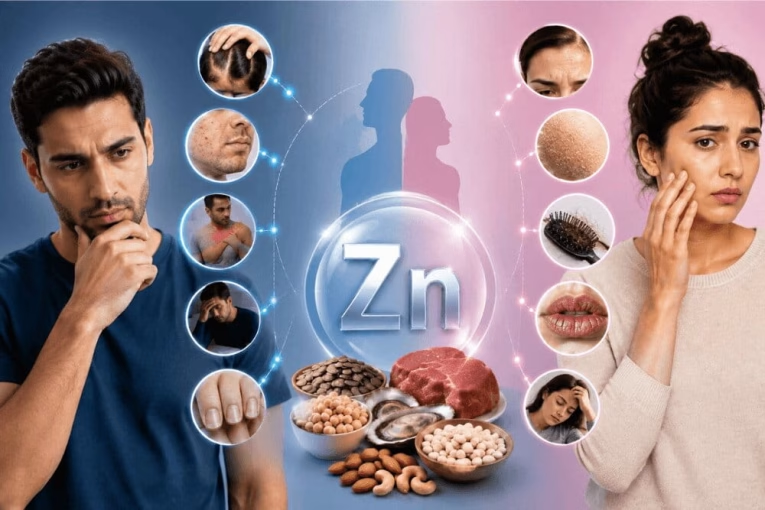
Millions of Pakistanis live with a zinc deficiency and never know it. The symptoms come on slowly, often mistaken for stress, poor diet, or just feeling run-down.
Zinc is one of the body’s most essential minerals. A shortage affects the skin, hair, immune system, and reproductive health, often at the same time.
This guide covers the key signs to watch for, why zinc deficiency is so common in Pakistan, and what to do about it.
Table of Contents
What Is Zinc Deficiency?
Zinc deficiency occurs when the body does not get or absorb enough zinc to carry out its normal functions.
Zinc supports immune defence, wound healing, cell growth, and hormone regulation. A deficiency can cause a wide range of symptoms affecting the skin, hair, eyes, and reproductive system.
In Pakistan, it remains one of the most common nutritional deficiencies, particularly among women and children.
Zinc Deficiency Symptoms in Women
Women experience zinc deficiency in ways that are often dismissed as hormonal or stress-related.
- Hair thinning and loss: Zinc supports the hair follicle structure, and low levels cause hair to shed faster than it grows back.
- Irregular or absent periods: The mineral plays a direct role in the regulation of reproductive hormones, and low zinc disrupts this balance.
- Dry, rough, or flaking skin: Zinc is essential for skin cell renewal, and a deficiency shows quickly on the surface.
- Brittle nails with white spots: White spots and weak nails are a common early physical sign of low zinc.
- Slow healing of cuts and wounds: Zinc is required for tissue repair, and deficiency visibly slows healing.
- Frequent colds or infections: Low zinc weakens the immune defence, making the body more vulnerable to minor illnesses.
- Low mood and difficulty concentrating: Zinc supports brain function, and deficiency can affect focus and emotional stability.
Zinc Deficiency Symptoms in Men
In men, zinc deficiency often goes unnoticed until it affects physical performance or fertility.
- Low testosterone: Zinc is directly involved in testosterone production, and deficiency can cause fatigue, reduced muscle mass, and low libido.
- Reduced sperm quality: Studies consistently link low zinc to poor sperm motility and count, affecting fertility.
- Hair loss or thinning at the crown: Low zinc disrupts the hair growth cycle, and thinning at the crown is a common early sign.
- Poor wound healing: Zinc-dependent tissue repair slows significantly when levels fall below normal.
- Taste and smell changes: A reduced ability to taste or smell food is a well-documented sign of zinc deficiency.
- Night blindness or poor vision in low light: Zinc supports vitamin A metabolism, which is directly linked to vision in dim conditions.
- Acne or slow-clearing skin infections: Low zinc impairs the skin’s ability to fight bacteria and repair itself.
Common Causes of Zinc Deficiency in Pakistan
Pakistan’s food culture creates specific zinc-risk patterns that differ from those of Western populations.
- Wheat-heavy diets: Wheat contains phytates, compounds that bind to zinc and block absorption in the gut. A diet built around roti, bread, and rice reduces the amount of zinc the body actually absorbs.
- Low animal protein intake: Meat, poultry, and seafood are the richest zinc sources. Families relying heavily on lentils, beans, and vegetables absorb far less zinc per meal.
- Crohn’s disease or irritable bowel syndrome: These conditions reduce nutrient absorption and deplete zinc stores over time.
- Prolonged diarrhoea: The body loses zinc rapidly during extended bouts of diarrhoea, especially in young children.
- Excessive alcohol intake: Alcohol reduces zinc absorption and increases the amount lost through urine.
- Certain medicines: Diuretics and some blood pressure medications lower zinc levels with long-term use.
- Pregnancy and breastfeeding: Both stages significantly increase daily zinc requirements, raising deficiency risk.
How Zinc Deficiency Is Diagnosed
A doctor diagnoses zinc deficiency through a combination of symptom review and a blood test.
The most common test is a serum zinc test, which measures zinc levels in the blood. Normal levels for adults generally sit between 70 and 120 micrograms per decilitre (mcg/dL). Levels below this range suggest a deficiency.
A single test result is not always conclusive. Zinc levels fluctuate throughout the day, so a doctor may repeat the test or combine results with a dietary assessment.
Treatment and Zinc-Rich Foods in Pakistan
Mild zinc deficiency responds well to dietary changes. Moderate to severe cases require supplementation under medical supervision.
Zinc Supplements in Pakistan
Zinc sulphate and zinc gluconate tablets are widely available at pharmacies across Pakistan.
A standard adult supplement dose ranges from 8 to 11 mg per day for maintenance, and higher for correction of deficiency.
The exact dose should be confirmed by a doctor, as excess zinc causes its own health problems.
Here are some zinc supplements in Pakistan:
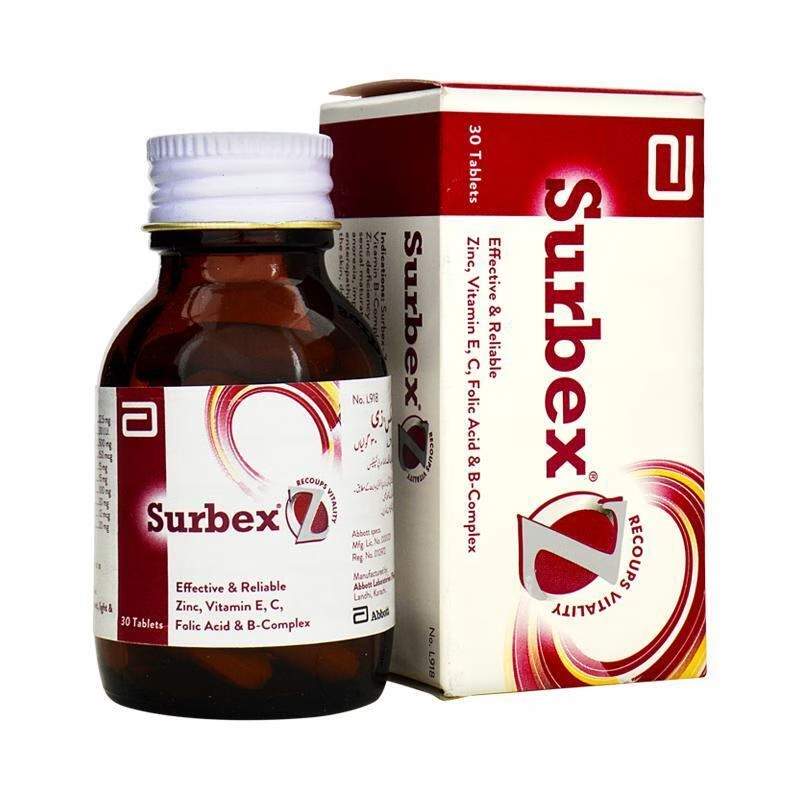
1. Surbesx Z
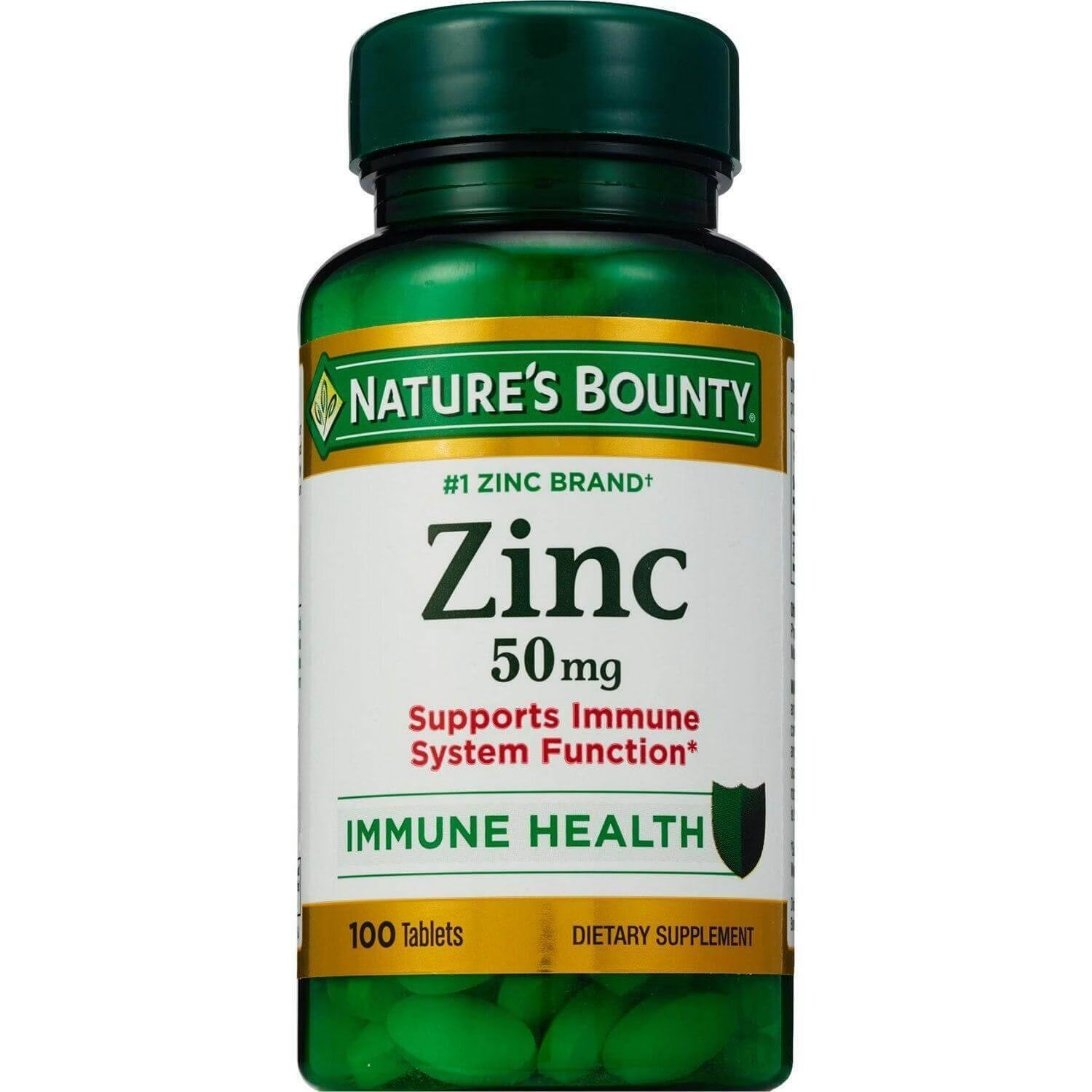
2. Nature’s Bounty Zinc
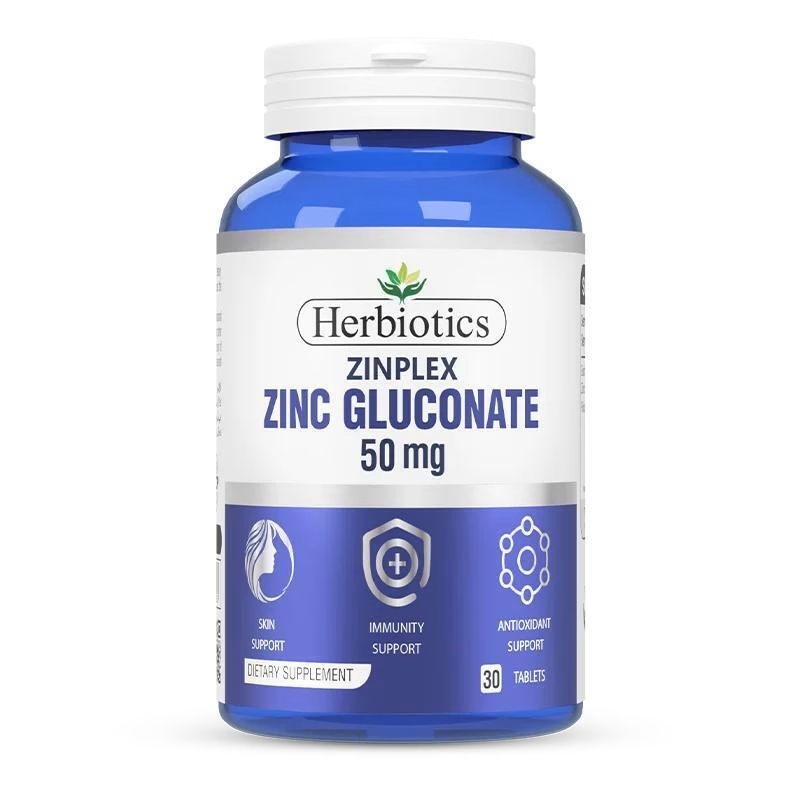
3. Herbiotics Zinc
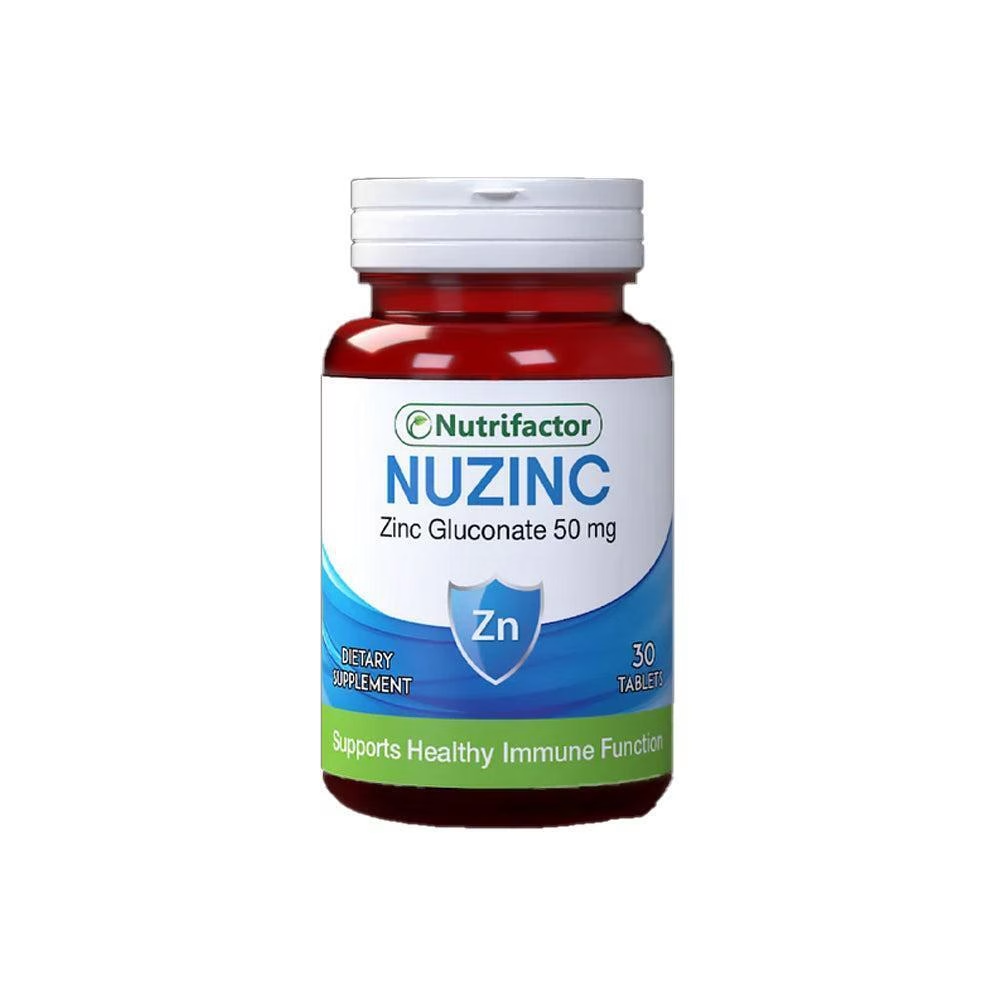
4. Nutrifactor Zinc
Certified general physicians and nutritionists are available for consultation in Karachi and other major cities across Pakistan.
Best Natural Zinc Sources in Pakistan
Adding these zinc-rich foods to daily meals can raise zinc levels naturally:
- Beef and mutton: The richest commonly eaten zinc sources in Pakistan
- Chicken: A reliable everyday source, especially dark meat
- Eggs: A moderate source suitable for daily intake
- Chickpeas and lentils: Lower bioavailability but useful when eaten with vitamin C-rich foods
- Pumpkin seeds: A practical plant-based zinc source, widely available
- Dairy products: Milk and yoghurt provide moderate amounts of zinc
Pairing plant-based zinc sources with foods like tomatoes, citrus, or amla improves absorption by reducing the effect of phytates.
The Takeaway
Zinc deficiency is common in Pakistan and often goes unrecognised because its symptoms, from hair loss to low immunity, overlap with other conditions.
A simple blood test can confirm a deficiency, and most cases respond well to dietary changes or short-term supplementation under medical guidance.
Frequently Asked Questions
The earliest signs are usually hair thinning, slow wound healing, and frequent minor infections. Taste changes and dry skin often follow if the deficiency continues.
Low zinc disrupts the hair growth cycle and causes noticeable shedding. Hair loss linked to zinc deficiency typically improves within two to three months of correcting the deficiency.
Beef, mutton, chicken, eggs, chickpeas, and pumpkin seeds are the most accessible zinc-rich foods in Pakistan. Meat sources provide the highest absorption rate.
Mild cases are corrected through dietary changes. Moderate to severe deficiency requires zinc supplements, typically for eight to twelve weeks, under a doctor’s guidance.
Zinc deficiency is widespread in Pakistan, particularly among children under five and women of childbearing age. Wheat-heavy diets and low meat intake are the primary contributing factors.
Excess zinc intake suppresses copper absorption and can cause nausea, vomiting, and immune suppression over time. Supplements should be taken only under medical supervision.
