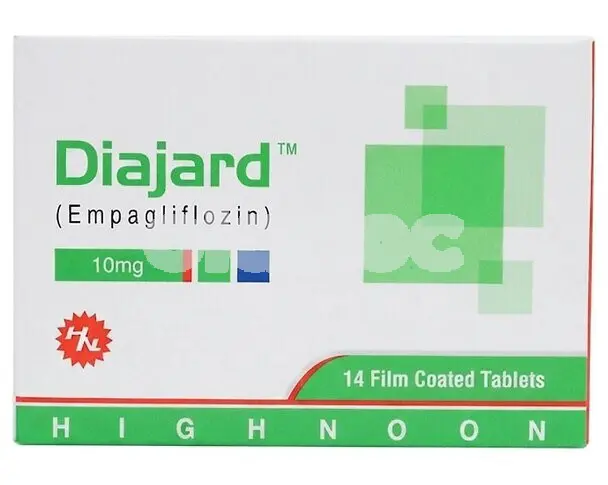
About Adrance Tablets 25mg
Adrance Tablets 25mg contains Empagliflozin, an SGLT2 inhibitor used to manage type 2 diabetes.
Adrance Tablets 25mg Uses
- Treats type 2 diabetes mellitus in adults
- Prescribed alongside diet and exercise to improve blood sugar control
- Lowers the risk of cardiovascular death in diabetics who already have heart disease
- Reduces hospitalization for heart failure in adults with type 2 diabetes
- Slows the progression of chronic kidney disease linked to diabetes
Adrance Tablets 25mg Benefits
- Lowers blood glucose without directly stimulating insulin release
- Supports modest weight loss through extra glucose loss in the urine
- Causes a mild, useful reduction in blood pressure for many patients
- Combines well with metformin, insulin, or other diabetes medicines
- One tablet daily suits patients who need a simple, consistent routine
Drug Class
- SGLT2 inhibitor, blocking glucose reabsorption in the kidneys so excess sugar leaves through urine, independent of insulin secretion
What Experts Say
Endocrinologists value empagliflozin because its glucose lowering action does not depend on remaining insulin production, useful even in long standing type 2 diabetes with declining beta cell function. Large outcome trials also showed a meaningful drop in cardiovascular death and heart failure hospitalization, a benefit not shared by every diabetes drug class.
Physicians weigh this benefit against a genuine risk of euglycemic diabetic ketoacidosis, where blood glucose looks only mildly raised while ketone levels climb dangerously. Prescribers often pause SGLT2 inhibitors before major surgery or during acute illness with poor oral intake, and patients are counselled to treat nausea, vomiting, and unusual fatigue as warning signs, not routine side effects.
Kidney function is checked before starting therapy and periodically afterward, since both efficacy and risk shift once kidney function falls below certain thresholds. Combining empagliflozin with insulin or a sulfonylurea also raises hypoglycemia risk, so clinicians often lower the dose of those companion medicines when adding this drug to an existing plan.
Adrance Tablets 25mg Uses in Urdu
- ذیابیطس ٹائپ 2 میں خون میں شوگر کی سطح کو کم کرنے کے لیے
- دل کی بیماری کے شکار ذیابیطس کے مریضوں میں دل کے دورے کے خطرے کو کم کرنے کے لیے
- دل کی ناکامی کی وجہ سے ہسپتال داخلے کے خطرے کو کم کرنے کے لیے
- گردوں کی حفاظت اور ذیابیطس سے ہونے والے گردوں کے نقصان کو سست کرنے کے لیے
Adrance Tablets 25mg formula
How to use Adrance Tablets 25mg?
- Take one tablet by mouth, usually once daily in the morning
- Swallow the tablet whole with a glass of water
- Take it with or without food, at the same time each day
- Do not crush, chew, or split the tablet
- If a dose is missed, take it as soon as remembered unless the next dose is near
- Do not take two doses together to make up for a missed one
Drug Interactions
- Insulin And Sulfonylureas: Combined use raises the risk of low blood sugar, often needing a dose adjustment
- Diuretics: Additive fluid loss can worsen dehydration and low blood pressure
- ACE Inhibitors Or ARBs: May increase the chance of kidney function changes when combined
- Digoxin: Fluid shifts caused by Adrance Tablets 25mg can affect digoxin blood levels
Risks and warnings
- Diabetic Ketoacidosis: Can occur even when blood sugar looks normal, so unusual nausea, vomiting, or abdominal pain need urgent review
- Dehydration: Increased urination can lower blood pressure and cause dizziness, especially in elderly patients
- Kidney Function: Dose and suitability depend on kidney function, checked before and during treatment
- Genital Infections: Higher risk of yeast and urinary tract infections due to sugar in the urine
- Type 1 Diabetes: Not approved for type 1 diabetes because of ketoacidosis risk
- Pregnancy And Breastfeeding: Not recommended, since safety data is limited
- Surgery: Usually paused for a few days before planned surgery on medical advice
Adrance Tablets 25mg Side Effects
- Increased urination and thirst
- Genital yeast infections
- Urinary tract infection symptoms
- Dizziness or lightheadedness from low blood pressure
- Nausea or upset stomach
- Joint pain
- Skin rash or itching
- Dehydration, especially in hot weather or with low fluid intake
- Signs of diabetic ketoacidosis such as vomiting and abdominal pain
Storage Conditions
- Store below 30 degrees Celsius in a cool, dry place
- Keep the tablets in the original blister pack until use
- Protect from direct sunlight and moisture
- Keep out of reach of children