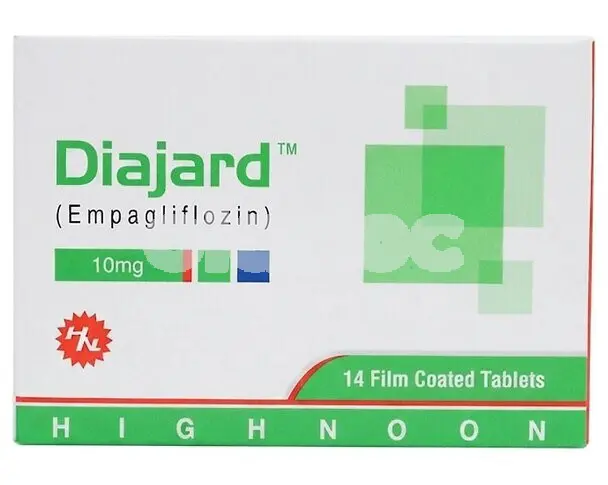
About Diajard Tablet 10mg
Diajard Tablet 10mg contains Empagliflozin, an SGLT2 inhibitor used to control blood sugar in type 2 diabetes.
Diajard Tablet Uses
- Type 2 diabetes mellitus, as monotherapy or in combination with other antidiabetic medicines
- Reduction of cardiovascular death risk in adults with type 2 diabetes and established heart disease
- Treatment of chronic heart failure with reduced or preserved ejection fraction
- Slower progression of chronic kidney disease in at-risk adults
Diajard Tablet Benefits
- A steady drop in blood glucose through increased glucose excretion in urine
- Modest weight reduction alongside glycemic control
- A mild blood pressure reduction through a gentle diuretic effect
- Once-daily dosing for easier treatment adherence
What Experts Say
Empagliflozin belongs to the sodium-glucose cotransporter-2 (SGLT2) inhibitor class. It works in the proximal renal tubule by blocking glucose reabsorption, so excess glucose is passed out through urine rather than staying in the bloodstream. This mechanism is independent of insulin secretion, which makes it useful even in patients with reduced beta-cell function.
Large outcome trials including EMPA-REG OUTCOME and the EMPEROR heart failure program showed that Empagliflozin lowers cardiovascular death and heart failure hospitalization beyond its glucose-lowering effect. This dual cardiorenal benefit is why physicians now prescribe it for heart failure and chronic kidney disease even in patients without diabetes.
The 10mg strength is the standard starting dose for most adults with type 2 diabetes and the approved dose for heart failure and kidney protection indications. Physicians monitor renal function, volume status, and signs of genital mycotic infection during treatment, since the drug's glucosuric action can cause mild dehydration in some patients.
Drug Class
- Sodium-Glucose Cotransporter-2 (SGLT2) Inhibitor
- Antidiabetic Agent
- Oral Hypoglycemic Drug
Diajard Tablet 10mg Uses in Urdu
- ذیابیطس ٹائپ 2 میں بلڈ شوگر کو کنٹرول کرنے کے لیے
- دل کی بیماری کے مریضوں میں امراض قلب کے خطرے کو کم کرنے کے لیے
- دل کی ناکامی یعنی ہارٹ فیلیئر کے علاج میں معاون کے طور پر
- گردوں کی بیماری کے بڑھنے کی رفتار کو کم کرنے کے لیے
Diajard Tablet 10mg formula
How to use Diajard Tablet 10mg?
- One tablet by mouth once daily, usually in the morning, with or without food
- The tablet should be swallowed whole with water, not crushed or chewed
- A consistent daily time helps maintain a steady blood level
- No extra dose is needed if a tablet is missed, just resume the next scheduled dose
Drug Interactions
- Diuretics: A higher risk of dehydration and low blood pressure when used together
- Insulin and Sulfonylureas: A higher risk of hypoglycemia, dose adjustment may be needed
- ACE Inhibitors and ARBs: A combined effect that may lower blood pressure further and affect kidney function
- Lithium: A possible drop in lithium blood levels through altered fluid balance
Risks and warnings
- Genital Infections: A higher risk of yeast and fungal infections in the genital area due to glucose in urine
- Urinary Tract Infections: A greater chance of UTIs, report burning or frequent urination promptly
- Dehydration and Low Blood Pressure: Possible volume depletion, especially in elderly patients or those on diuretics
- Diabetic Ketoacidosis: A rare but serious risk that can occur even with normal blood sugar readings
- Kidney Function: Monitoring is required in patients with reduced kidney function before starting therapy
- Necrotizing Fasciitis of the Perineum: A rare but severe genital infection reported with SGLT2 inhibitors, seek care for genital pain or swelling
Diajard Tablet Side Effects
- Urinary tract infection
- Genital yeast infection
- Increased urination
- Thirst
- Nausea
- Low blood pressure or dizziness on standing
- Joint pain
- Skin rash
Storage Conditions
- Store below 30°C in a cool, dry place away from direct sunlight
- Keep the tablets in their original blister pack until ready to use
- Protect from moisture and humidity, avoid storing in the bathroom
- Keep out of reach of children