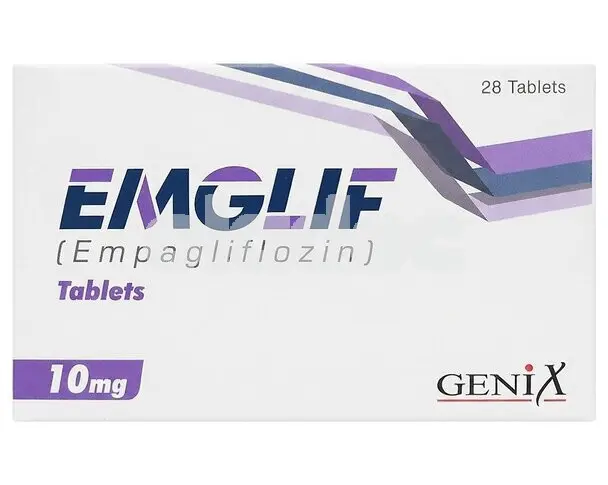
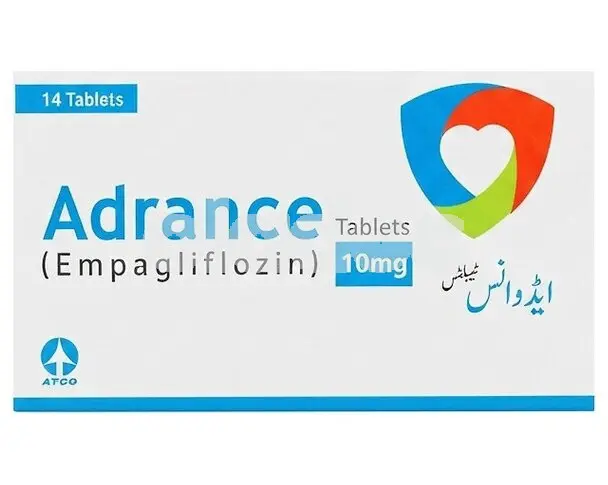
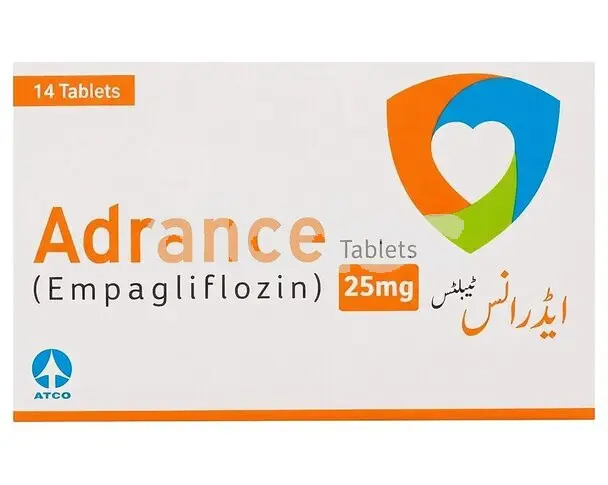
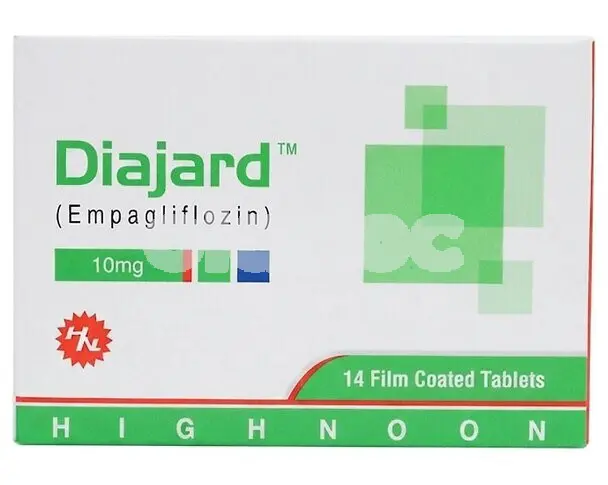
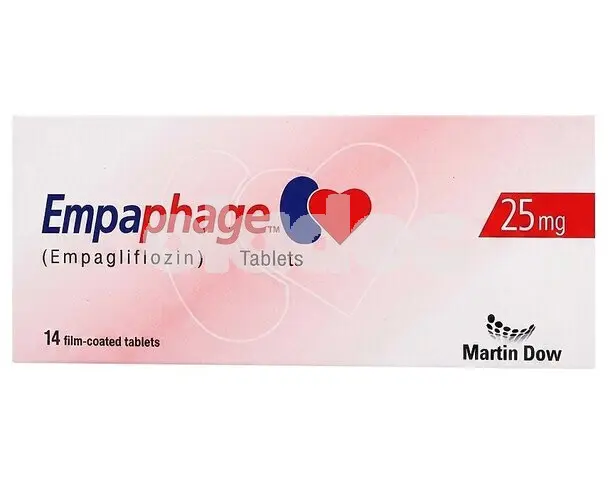
About Emglif Tablet 10mg
Emglif Tablet 10mg contains Empagliflozin, an SGLT2 inhibitor used to manage type 2 diabetes mellitus.
Emglif Tablet 10mg Uses
- Type 2 diabetes mellitus, to improve blood sugar control
- Reducing cardiovascular risk in adults with type 2 diabetes and established heart disease
- Slowing progression of chronic kidney disease in eligible patients
- Reducing hospitalization risk in adults with heart failure
Emglif Tablet 10mg Benefits
- Lowers blood glucose independent of insulin, through increased glucose excretion in urine
- Associated with modest weight reduction in many patients
- Can lower blood pressure slightly alongside glucose control
- Shown to reduce heart failure hospitalization in clinical trials
What Experts Say
Endocrinologists prescribe empagliflozin because it works through a mechanism independent of insulin secretion or sensitivity. By blocking the SGLT2 protein in the kidney's proximal tubule, it prevents glucose reabsorption and allows excess sugar to leave the body through urine, so it keeps working even as beta cell function declines.
Large outcome trials changed how this drug class is viewed. Empagliflozin showed a reduction in cardiovascular death and heart failure hospitalization in patients with established heart disease, a benefit that appeared earlier than expected from glucose lowering alone, so many physicians now consider it for diabetes and heart failure together.
Prescribers weigh this benefit against known risks. Volume depletion, genital fungal infections, and a rare risk of euglycemic diabetic ketoacidosis are documented with the SGLT2 inhibitor class, so hydration counseling matters, particularly around surgery or acute illness. Renal function is checked before starting and periodically afterward.
Drug Class
- Sodium glucose co transporter 2 (SGLT2) inhibitor
Emglif Tablet 10mg Uses in Urdu
- ٹائپ 2 ذیابیطس میں بلڈ شوگر کو کنٹرول کرنے کے لیے
- دل کی بیماری کے مریضوں میں امراض قلب کے خطرے کو کم کرنے کے لیے
- گردوں کی بیماری کے بڑھنے کی رفتار کو سست کرنے کے لیے
- ہارٹ فیلیئر کے مریضوں میں ہسپتال داخلے کے خطرے کو کم کرنے کے لیے
Emglif Tablet 10mg formula
How to use Emglif Tablet 10mg?
- Take Emglif Tablet 10mg once daily in the morning, with or without food
- Swallow the tablet whole with a glass of water, do not crush or chew it
- Take it at the same time each day to maintain steady blood sugar control
- Continue diet and exercise measures advised by your doctor alongside this medicine
- Do not skip doses even if blood sugar readings look normal
Drug Interactions
- Insulin and sulfonylureas: Combined use raises the risk of low blood sugar, dose adjustment may be needed
- Diuretics: Can add to fluid loss and increase the risk of dehydration and low blood pressure
- ACE inhibitors and ARBs: Combined use with volume depletion can affect kidney function, monitoring is advised
- Lithium: Blood lithium levels may change with SGLT2 inhibitor use, monitoring is recommended
Risks and warnings
- Ketoacidosis risk: Empagliflozin can rarely cause diabetic ketoacidosis with near normal blood sugar levels, seek care for nausea, vomiting or unusual fatigue
- Dehydration and low blood pressure: The medicine increases urination, so dizziness or lightheadedness can occur, especially in older adults or those on diuretics
- Genital and urinary infections: Increased sugar in urine raises the risk of yeast infections and urinary tract infections
- Fournier's gangrene: A rare but serious infection of the genital area has been reported with this drug class, seek urgent care for severe genital pain or swelling
- Kidney function: Not recommended in patients with severe kidney impairment or those on dialysis
- Pregnancy and breastfeeding: Not recommended, discuss alternatives with your doctor
Emglif Tablet 10mg Side Effects
- Increased urination
- Thirst
- Genital yeast infections
- Urinary tract infection
- Nausea
- Dizziness from low blood pressure
- Low blood sugar when combined with insulin or sulfonylureas
- Rash or itching
- Rare risk of diabetic ketoacidosis
- Rare risk of Fournier's gangrene
Storage Conditions
- Store below 30°C, in a cool dry place away from direct sunlight
- Keep the tablet in its original blister pack until ready to use
- Keep out of reach of children
- Do not use after the expiry date printed on the pack