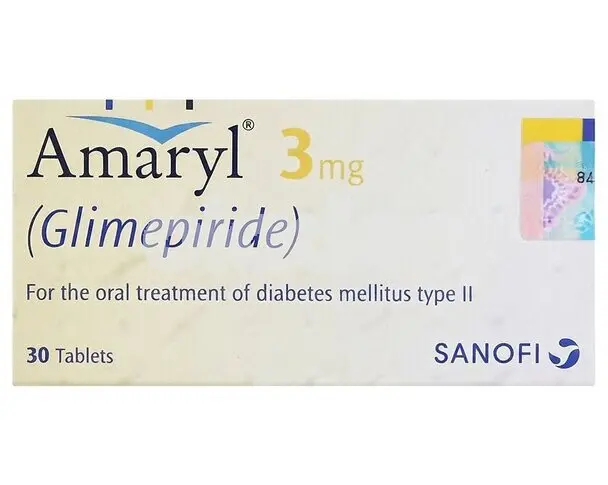
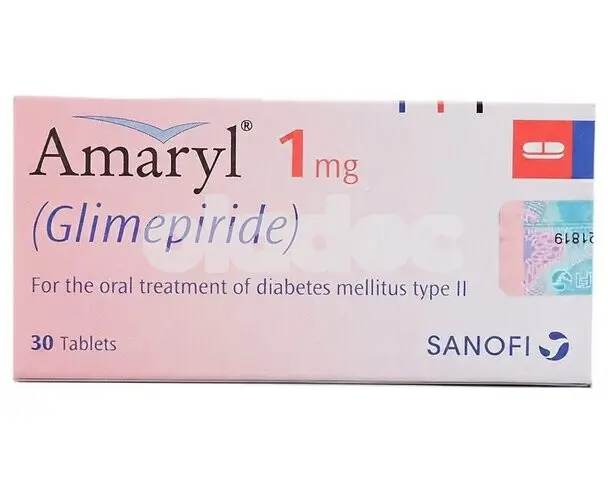
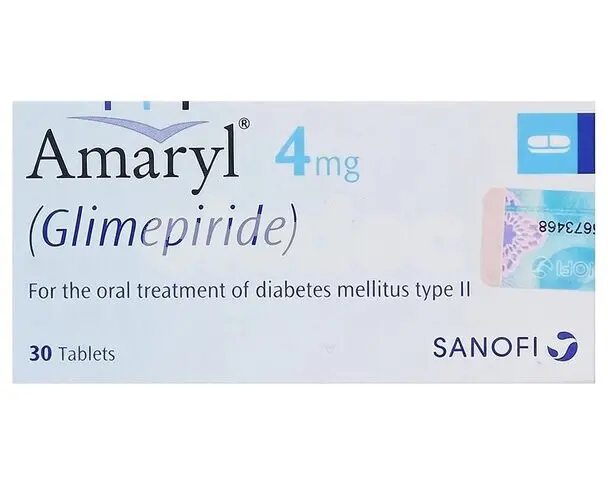
About Amaryl Tablet 3mg
Amaryl Tablet 3mg contains glimepiride, a sulfonylurea used to lower blood sugar in type 2 diabetes.
Amaryl Tablet 3mg Uses
- Type 2 diabetes mellitus, to lower and control blood sugar levels
- Used alongside diet and exercise when these alone do not control blood sugar
- Often prescribed with metformin or insulin for patients needing extra glycemic control
- Used as a higher strength for patients whose blood sugar is not controlled on lower Amaryl doses
Amaryl Tablet 3mg Benefits
- Once daily dosing improves treatment adherence
- Starts lowering blood sugar within 2 to 3 hours of the first dose
- Effective HbA1c reduction when combined with lifestyle changes
- Affordable long term option for chronic type 2 diabetes management
- Can be combined safely with several other diabetes medicines under medical supervision
What Experts Say
Glimepiride works by stimulating the pancreas to release more insulin, and the 3mg strength is typically prescribed once blood sugar is not adequately controlled on the 1mg or 2mg starting doses. Doctors across Pakistan usually raise the dose gradually, waiting one to two weeks between adjustments, to find the lowest dose that keeps fasting and post meal glucose within target range.
At the 3mg strength, the risk of hypoglycemia is higher than at lower doses, so physicians recommend regular blood sugar monitoring, especially in patients who skip meals, exercise more than usual, or drink alcohol. Kidney and liver function are checked periodically, since glimepiride is partly cleared through both organs and impaired clearance can raise drug levels.
Pakistan has one of the highest rates of type 2 diabetes in the world, and sulfonylureas like glimepiride remain widely used because they work quickly and cost far less than newer drug classes. Physicians generally prefer combining a moderate glimepiride dose such as 3mg with metformin rather than pushing to the maximum 8mg dose alone, since combination therapy controls blood sugar with fewer side effects.
Drug Class
- Second generation sulfonylurea
- Oral hypoglycemic agent (antidiabetic)
Amaryl Tablet 3mg Uses in Urdu
- ٹائپ 2 ذیابیطس میں بلڈ شوگر کو کنٹرول کرنے کے لیے
- جب خوراک اور ورزش سے شوگر کنٹرول نہ ہو تو استعمال کی جاتی ہے
- میٹفارمن یا انسولین کے ساتھ ملا کر بھی تجویز کی جا سکتی ہے
- کم طاقت کی گولیوں سے شوگر کنٹرول نہ ہونے پر بڑھائی گئی خوراک کے طور پر
Amaryl Tablet 3mg formula
How to use Amaryl Tablet 3mg?
- Take once daily, right before breakfast or the first main meal of the day
- Swallow the tablet whole with a full glass of water
- Take the dose at the same time every day for consistent blood sugar control
- Do not skip a meal after taking the dose, since this raises hypoglycemia risk
- Follow the prescribed dose exactly, do not increase or stop the dose without consulting a doctor
Drug Interactions
- NSAIDs: Painkillers such as ibuprofen and aspirin can increase glimepiride's blood sugar lowering effect and raise hypoglycemia risk
- Beta blockers: Can mask common warning signs of hypoglycemia such as a fast heartbeat
- ACE inhibitors: May enhance the blood sugar lowering effect of glimepiride
- Antifungals: Fluconazole and miconazole can raise glimepiride levels and increase hypoglycemia risk
- Rifampicin: Can lower glimepiride levels and reduce its effectiveness
- Alcohol: Increases the risk of hypoglycemia and can cause flushing or nausea
- Corticosteroids and thiazide diuretics: Can raise blood sugar and reduce glimepiride's effectiveness
- Other diabetes medicines: Insulin and other oral antidiabetics increase the combined risk of hypoglycemia when used together
- Warfarin: Glimepiride may enhance the blood thinning effect, requiring closer monitoring
Risks and warnings
- Hypoglycemia risk: Higher at the 3mg dose, especially if meals are skipped, alcohol is consumed, or physical activity increases
- Cardiovascular caution: Sulfonylureas have been linked to a small increase in cardiovascular risk in some studies, so use is monitored closely in patients with heart disease
- G6PD deficiency: Can trigger hemolytic anemia in patients with this enzyme deficiency
- Kidney and liver impairment: Use with caution and closer monitoring since clearance is reduced
- Pregnancy and breastfeeding: Not recommended, insulin is preferred for blood sugar control during this time
- Sulfa allergy: Avoid if there is a known allergy to sulfonamide based medicines
- Type 1 diabetes: Not effective and not indicated for type 1 diabetes or diabetic ketoacidosis
- Elderly patients: Higher risk of hypoglycemia, dose adjustments made cautiously
Amaryl Tablet 3mg Side Effects
- Hypoglycemia (low blood sugar)
- Nausea and vomiting
- Diarrhea or stomach upset
- Weight gain
- Dizziness or headache
- Skin rash or itching
- Blurred vision, usually temporary as blood sugar stabilizes
- Low sodium levels (hyponatremia), rare
- Elevated liver enzymes, rare
- Hemolytic anemia in patients with G6PD deficiency, rare
Storage Conditions
- Store below 30°C in a dry place, away from direct sunlight
- Keep tablets in the original blister strip until ready to use
- Do not store in the bathroom or near a sink where moisture can reach the strip
- Keep out of reach of children