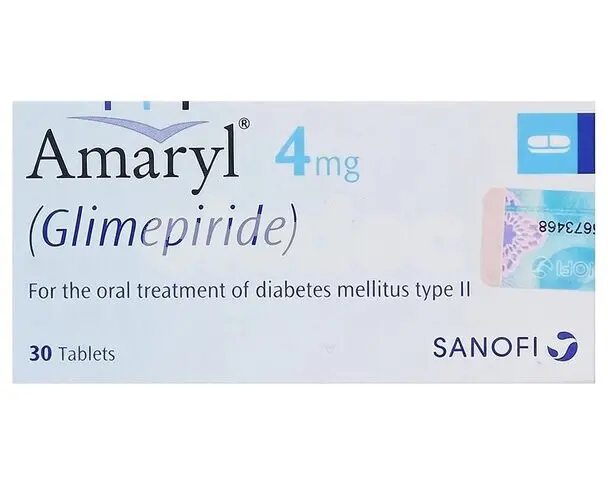
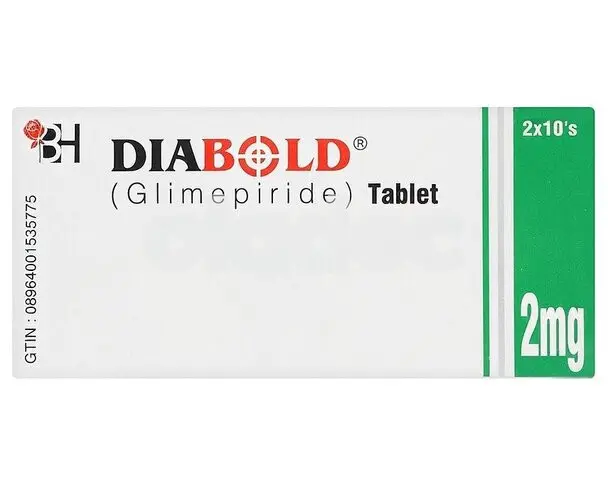
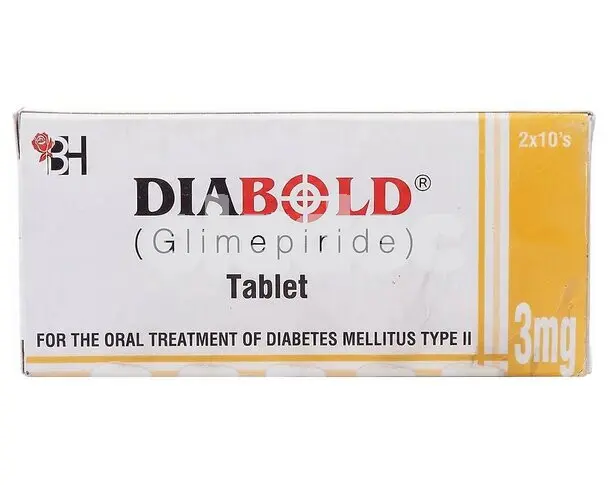
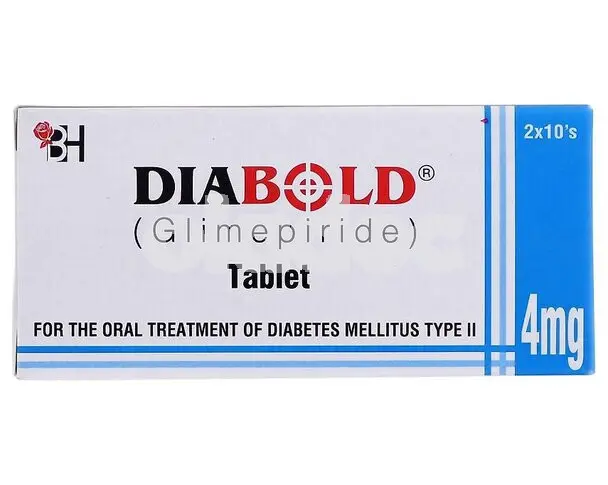
About Amaryl Tablet 4mg
Amaryl Tablet 4mg contains Glimepiride, a sulfonylurea that lowers blood sugar in type 2 diabetes.
Amaryl Tablet 4mg Uses
- Type 2 diabetes mellitus, to help control blood sugar alongside diet and exercise
- Given when metformin alone or lifestyle changes do not achieve adequate blood sugar control
- Sometimes combined with insulin or metformin for better overall glycemic management
Amaryl Tablet 4mg Benefits
- Lowers fasting and post meal blood sugar levels effectively
- Once daily dosing helps improve adherence to the treatment plan
- May help reduce long term diabetes complications when blood sugar stays consistently controlled
- A cost effective option compared to some newer diabetes medicines
What Experts Say
Glimepiride belongs to the sulfonylurea class of oral antidiabetic medicines. It works by stimulating the pancreas to release more insulin, lowering blood glucose after meals and between meals. Physicians consider it a reliable second generation option since it has a long duration of action and can be taken once daily with the first main meal.
Doctors usually reserve the 4mg strength for patients whose blood sugar remains uncontrolled on lower doses or on other oral medicines alone. Dose titration is done gradually, moving up from 1mg or 2mg over several weeks, since jumping straight to a higher strength raises the chance of low blood sugar episodes. Regular blood glucose monitoring becomes more important at this dose.
Pakistan carries a high burden of type 2 diabetes, and sulfonylureas remain a widely prescribed, affordable treatment option in general practice. Physicians recommend combining Glimepiride with consistent meal timing and routine blood sugar checks, since skipping meals while on a higher dose like 4mg increases hypoglycemia risk, particularly in older adults or those with reduced kidney function.
Drug Class
- Sulfonylurea, an oral antidiabetic (hypoglycemic) agent
- Second generation sulfonylurea
- Insulin secretagogue class
Amaryl Tablet 4mg Uses in Urdu
- ٹائپ ٹو ذیابیطس میں خون میں شوگر کی سطح کو کنٹرول کرنے کے لیے
- غذا اور ورزش کے ساتھ بلڈ شوگر کو بہتر طریقے سے سنبھالنے کے لیے
- جب صرف میٹفارمن یا طرز زندگی میں تبدیلیوں سے شوگر کنٹرول نہ ہو تو استعمال کی جاتی ہے
- بعض اوقات انسولین یا میٹفارمن کے ساتھ ملا کر دی جاتی ہے
Amaryl Tablet 4mg formula
How to use Amaryl Tablet 4mg?
- Take Amaryl Tablet 4mg once daily, usually with breakfast or the first main meal of the day
- Swallow the tablet whole with a glass of water, do not crush or chew it
- Take it at the same time every day to maintain steady blood sugar control
- Do not skip a meal after taking this tablet, as this raises the risk of low blood sugar
- Follow the exact dose prescribed by your doctor, do not adjust it yourself
Drug Interactions
- Insulin: Combined use increases hypoglycemia risk and may need dose adjustment
- Beta blockers: Can mask warning signs of low blood sugar such as a rapid heartbeat
- NSAIDs: May enhance the blood sugar lowering effect and raise hypoglycemia risk
- ACE inhibitors: May increase the glucose lowering effect of Glimepiride
- Corticosteroids: Can raise blood sugar and reduce the effectiveness of Glimepiride
- Fluconazole and other antifungals: May increase Glimepiride levels and hypoglycemia risk
- Alcohol: Increases the risk of severe hypoglycemia
Risks and warnings
- Hypoglycemia: The 4mg strength carries a higher risk of low blood sugar than lower doses, especially if a meal is skipped or delayed
- Kidney or liver impairment: Use with caution, as reduced clearance can increase the risk of hypoglycemia
- Elderly patients: Older adults are more sensitive to blood sugar drops and may need closer monitoring
- G6PD deficiency: May trigger hemolytic anemia in patients with this enzyme deficiency
- Pregnancy and breastfeeding: Not recommended, insulin is generally preferred for blood sugar control during this time
- Alcohol use: Can increase the risk and severity of hypoglycemia
- Sulfa allergy: Avoid if allergic to sulfonamide related medicines
Amaryl Tablet 4mg Side Effects
- Low blood sugar (hypoglycemia), more likely at this higher strength
- Nausea and mild stomach upset
- Headache
- Dizziness
- Weight gain
- Skin rash or itching
- Sweating and shakiness during hypoglycemic episodes
- Rarely, changes in liver enzyme levels
Storage Conditions
- Store below 30°C in a cool and dry place
- Keep the tablet in its original blister pack away from moisture
- Protect from direct sunlight and heat
- Keep out of reach of children
- Do not use after the expiry date printed on the pack