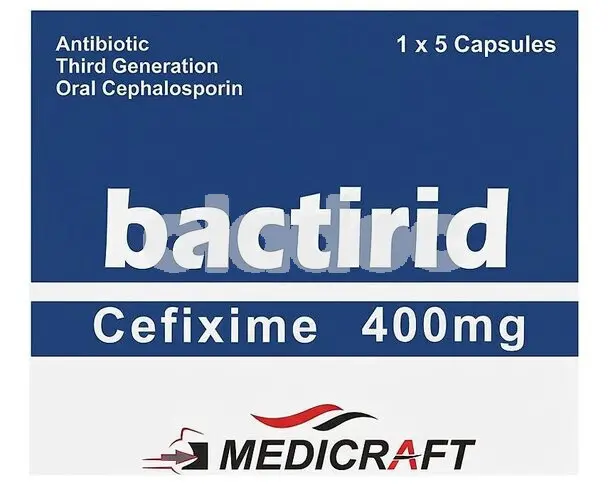
About Cebosh Tablet 200mg
Cebosh Tablet 200mg contains Cefixime, a third generation cephalosporin used for bacterial infections.
Cebosh Tablet 200mg Uses
- Typhoid fever caused by Salmonella typhi
- Urinary tract infections
- Acute bronchitis and flare ups of chronic bronchitis
- Otitis media (middle ear infections)
- Pharyngitis and tonsillitis
- Uncomplicated gonorrhea
- Skin and soft tissue infections caused by susceptible bacteria
Cebosh Tablet 200mg Benefits
- Effective against many gram negative and some gram positive bacteria
- Convenient oral option that can avoid the need for injections
- Once or twice daily dosing improves treatment compliance
- Absorption is not significantly reduced by food
- Widely available and affordable across pharmacies
- Useful alternative in patients who cannot tolerate penicillins, with medical caution
What Experts Say
Cefixime works by interfering with bacterial cell wall synthesis, making it effective against many gram negative organisms including Salmonella typhi. Physicians increasingly rely on third generation oral cephalosporins like cefixime as first line treatment for typhoid fever, since resistance to older fluoroquinolone antibiotics has become widespread. Oral bioavailability allows outpatient treatment for infections that once required hospital admission and intravenous therapy.
The standard adult dose of 200mg twice daily, or 400mg once daily, reflects cefixime's relatively long half life compared to other oral cephalosporins. This schedule maintains drug levels above the minimum concentration needed to clear susceptible bacteria between doses. Doctors generally advise completing the full prescribed course, often 7 to 14 days depending on the infection, even after symptoms improve, to prevent relapse and limit resistant strains from developing.
Clinicians weigh cefixime's narrower spectrum against broader agents when culture and sensitivity results are unavailable, since empirical use in high resistance settings can reduce effectiveness. Monitoring for gastrointestinal side effects and rare hypersensitivity reactions remains part of routine follow up. Patients with a documented penicillin allergy are counseled about a small but real risk of cross reactivity with cephalosporins before starting therapy.
Drug Class
- Third-Generation Cephalosporin Antibiotic
Cebosh Tablet 200mg Uses in Urdu
- ٹائیفائیڈ بخار کے علاج کے لیے
- پیشاب کی نالی کے انفیکشن میں
- سانس کی نالی کے انفیکشن جیسے برونکائٹس میں
- کان کے انفیکشن یعنی اوٹائٹس میڈیا میں
- گلے اور ٹانسلز کے انفیکشن میں
- جلد اور نرم بافتوں کے بیکٹیریل انفیکشن میں
Cebosh Tablet 200mg formula
How to use Cebosh Tablet 200mg?
- Take Cebosh Tablet 200mg exactly as prescribed, usually every 12 hours
- Swallow the tablet whole with a glass of water, with or without food
- Complete the full course even if symptoms improve within a few days
- If a dose is missed, take it as soon as remembered unless it is almost time for the next dose
- Do not double the next dose to make up for a missed one
- Take at evenly spaced times each day to keep antibiotic levels steady
Drug Interactions
- Warfarin: Cefixime may increase the blood thinning effect, raising bleeding risk, so INR should be monitored
- Probenecid: Increases cefixime blood levels by reducing its elimination from the body
- Oral Typhoid Vaccine: Antibiotics can reduce the effectiveness of the live oral typhoid vaccine, so spacing between the two is advised
- Calcium Carbonate Antacids: May slightly reduce cefixime absorption when taken at the same time
- Carbamazepine: Combined use may raise carbamazepine levels and related side effects
Risks and warnings
- Penicillin Allergy: Patients with a history of severe penicillin allergy should use cefixime cautiously due to a small risk of cross reactivity
- Kidney Impairment: Dose adjustment may be needed in patients with reduced kidney function since cefixime is partly cleared by the kidneys
- Pregnancy: Generally considered low risk in pregnancy but should only be used when clearly needed and under medical supervision
- Breastfeeding: Small amounts pass into breast milk, discuss use with a doctor while nursing
- Clostridioides Difficile Colitis: Prolonged or repeated antibiotic use can lead to severe diarrhea from overgrowth of this organism
- Elderly Patients: Older adults may need closer monitoring of kidney function and side effects
Cebosh Tablet 200mg Side Effects
- Diarrhea
- Nausea
- Abdominal pain
- Headache
- Skin rash
- Loss of appetite
- Dizziness
- Vaginal itching or yeast infection in women
- Severe allergic reaction with swelling of face, lips or throat and difficulty breathing
- Severe watery or bloody diarrhea, a sign of Clostridioides difficile colitis
- Yellowing of skin or eyes, a rare liver related effect
Storage Conditions
- Store Cebosh Tablet 200mg at room temperature, below 25°C
- Keep the strip in its original packaging away from direct sunlight and moisture
- Keep out of reach of children
- Avoid storing in the bathroom or near a kitchen sink where humidity is high
- Dispose of any unused or expired tablets safely, do not flush them