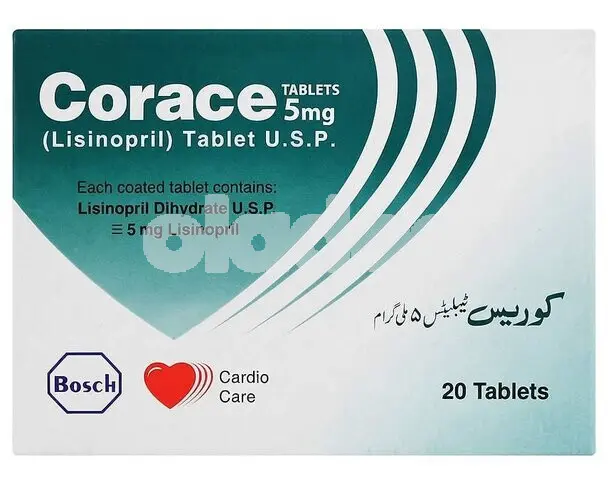
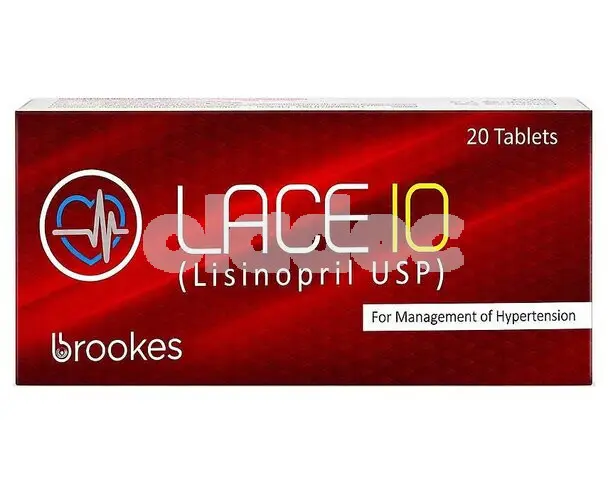
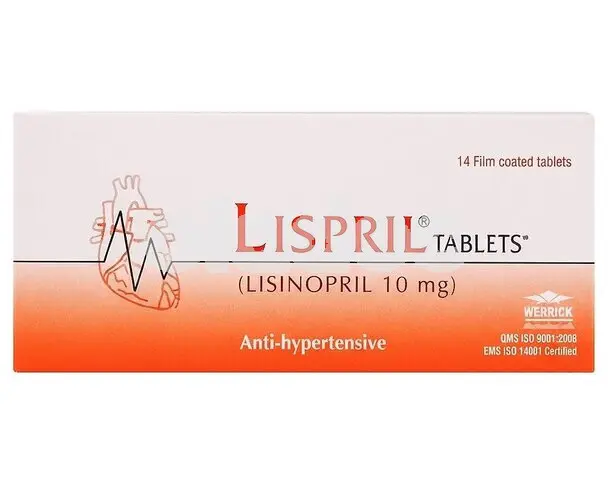
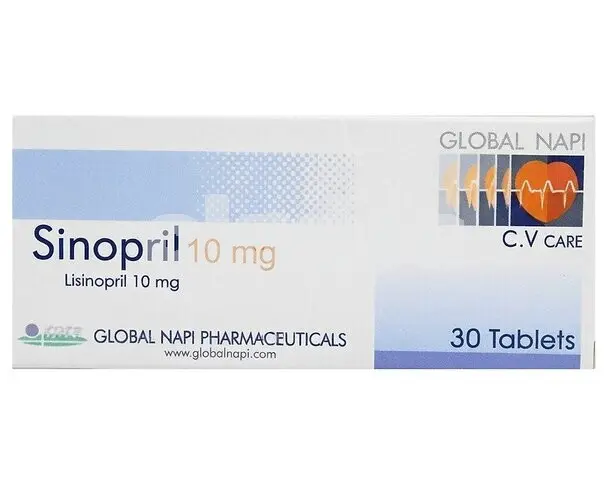
About Corace Tablet 5mg
Corace 5mg treats high blood pressure and supports heart failure management.
Corace Tablet Uses
- Treatment of high blood pressure (hypertension) in adults and children above 6 years
- Management of symptomatic heart failure, often combined with other heart medicines
- Post heart attack care within 24 hours in hemodynamically stable patients
- Kidney protection for people with diabetes and high blood pressure
Corace Tablet Benefits
- Relaxation of blood vessels, making it easier for the heart to pump blood around the body
- Reduced strain on the heart in patients with weak pumping function
- A lower long term risk of heart attack, stroke and kidney damage linked to high blood pressure
- An affordable price point, making long term treatment easier to continue
What Experts Say
Lisinopril belongs to a group of medicines called ACE inhibitors, which stands for angiotensin converting enzyme inhibitors. It works by blocking an enzyme that produces angiotensin II, a substance that narrows blood vessels. This action allows blood vessels to relax and widen, lowering blood pressure and reducing the amount of work the heart has to do.
Clinical evidence supports lisinopril's use in lowering blood pressure, treating heart failure and improving survival after a heart attack. In diabetes, it helps slow kidney disease progression by reducing pressure inside the kidney's filtering units. A dry, persistent cough is a well known side effect of this drug class and is one reason some patients switch to an ARB instead.
Lisinopril usually begins lowering blood pressure within a few hours, with the maximum effect reached after several weeks. Kidney function and potassium levels are checked before starting treatment and periodically afterward. Sudden swelling of the face or throat is rare but needs immediate medical attention, since it can signal a serious reaction called angioedema.
Drug Class
- Angiotensin Converting Enzyme (ACE) Inhibitor
- Antihypertensive Agent
Corace Tablet 5mg Uses in Urdu
- ہائی بلڈ پریشر کو کنٹرول کرنے کے لیے
- دل کی کمزوری اور ہارٹ فیلیئر کے علاج میں
- ہارٹ اٹیک کے بعد دل کو مضبوط رکھنے کے لیے
- ذیابیطس کے مریضوں میں گردوں کی حفاظت کے لیے
Corace Tablet 5mg formula
How to use Corace Tablet 5mg?
- The tablet is usually taken once daily, exactly as prescribed by your doctor
- Water should be used to swallow the tablet whole, with or without food
- A consistent daily time helps maintain steady blood pressure control
- This medicine should not be stopped suddenly without consulting your doctor
- A missed dose can be taken as soon as remembered, unless the next dose is near
Drug Interactions
- NSAIDs: Medicines like ibuprofen or diclofenac can lower the blood pressure effect and raise kidney risk when combined with lisinopril
- Potassium Sparing Diuretics: A combination with spironolactone or similar drugs can raise potassium to dangerous levels
- Lithium: Lisinopril can increase lithium levels in the blood, raising the risk of toxicity
- ARBs: A combination with drugs like losartan increases the risk of low blood pressure, high potassium and kidney problems
- Diuretics: Existing diuretic use combined with lisinopril can cause a sharp drop in blood pressure
Risks and warnings
- Pregnancy: Fetal injury or death is possible when used during the second or third trimester, so treatment should stop immediately if pregnancy is confirmed
- Angioedema: Rare but serious swelling of the face, lips, tongue or throat can occur, especially in the first weeks of treatment
- Kidney Function: Reduced kidney function is possible, particularly in patients with existing kidney disease or those on diuretics
- High Potassium: Blood potassium levels can rise, especially in patients with kidney problems or diabetes
- Persistent Cough: A dry cough is common with this drug class and may require a medicine switch if it does not resolve
Corace Tablet Side Effects
- Dry, persistent cough
- Dizziness
- Headache
- Tiredness or fatigue
- Low blood pressure with lightheadedness on standing
- Nausea
- Diarrhea
- High potassium levels
- Changes in kidney function tests
- Skin rash
- Swelling of the face, lips, tongue or throat (rare, seek emergency care)
Storage Conditions
- Store at room temperature, between 15 and 30 degrees Celsius
- Keep away from direct sunlight and moisture
- Keep the tablets in their original blister pack until use
- Store out of reach of children
- Discard any expired or unused tablets safely