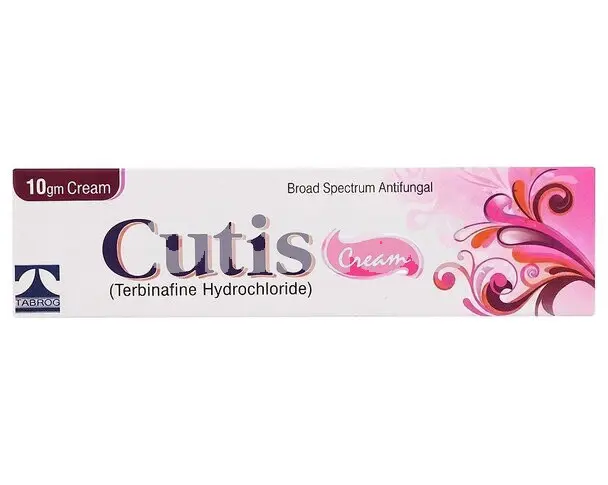
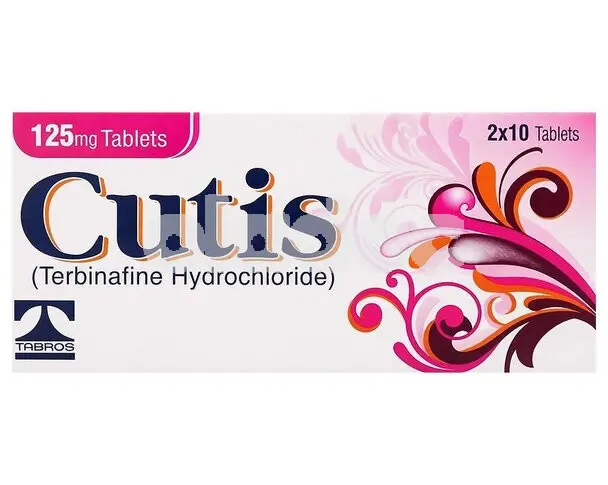
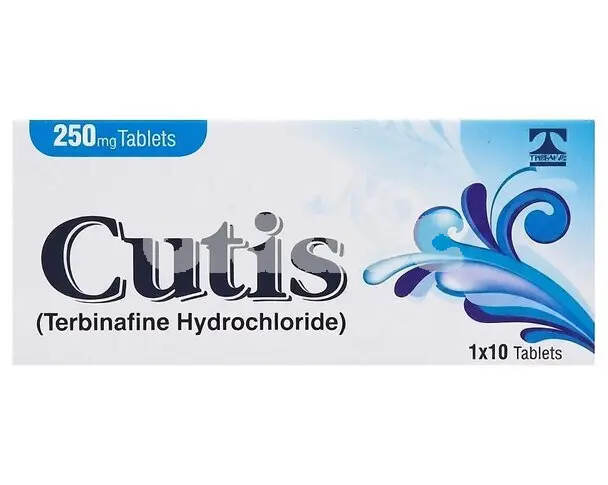
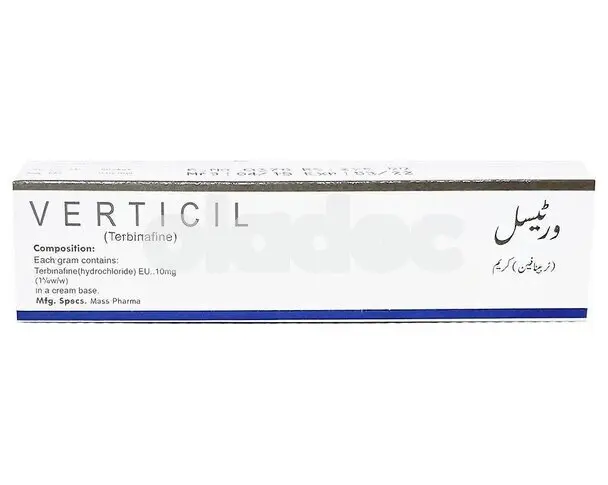
About Cutis 1% Cream
Antifungal cream for ringworm, athlete's foot and other fungal skin infections.
Cutis Cream Uses
- Ringworm (tinea corporis)
- Athlete's foot (tinea pedis)
- Jock itch (tinea cruris)
- Fungal skin infections caused by susceptible dermatophytes
- Cutaneous candidiasis in select cases
Cutis Cream Benefits
- Kills the fungus instead of only slowing its growth
- Works with once or twice daily application
- Shows visible improvement within one to two weeks
- Stays active in skin tissue after the course ends
- Non greasy formula suitable for daily use
What Experts Say
Terbinafine hydrochloride belongs to the allylamine class of antifungals. It works by blocking squalene epoxidase, an enzyme fungi need to build ergosterol for their cell membranes. Without this enzyme the fungal cell accumulates toxic squalene and dies rather than just stops growing.
Because terbinafine acts as a fungicidal agent rather than a fungistatic one, most dermatophyte infections respond faster than they do to azole based creams. Clinical evidence on tinea pedis, tinea cruris and tinea corporis shows visible clearance within one to two weeks of once or twice daily application, with cure rates generally higher than clotrimazole.
The cream penetrates the outer skin layer and remains active in tissue for several days after application stops, a property known as substantivity. This residual effect lowers the chance of an early relapse once symptoms fade. Even so, finishing the full course matters, since stopping too early on visible improvement is a common reason fungal infections come back.
Drug Class
- Allylamine antifungal
- Topical antifungal cream
Cutis 1% Cream Uses in Urdu
- داد یعنی رنگ ورم کے علاج کے لیے
- ایتھلیٹس فٹ یعنی پاؤں کی پھپھوندی کے لیے
- زیر ناف پھپھوندی یعنی جاک اچ کے لیے
- جلد کی مختلف فنگل انفیکشنز کے لیے
- خارش اور جلن کو کم کرنے کے لیے
Cutis 1% Cream formula
- Terbinafine Hydrochloride
How to use Cutis 1% Cream?
- Wash and dry the affected area before application
- Apply a thin layer of cream once or twice daily as directed
- Rub gently into the skin until fully absorbed
- Continue treatment for the full duration even if symptoms improve early
- Avoid covering the treated area with airtight bandages unless advised
- Wash hands after application unless the hands are the treated area
Drug Interactions
- Other Topical Products: Avoid applying other creams, ointments or cosmetics on the same area at the same time.
- Corticosteroid Creams: Combined use without medical advice can mask signs of a worsening infection.
- Occlusive Dressings: Airtight bandages over the treated area can increase local irritation.
Risks and warnings
- Skin Irritation: Mild burning, redness or itching can occur at the application site.
- Allergic Reaction: Discontinue use and seek medical advice if rash, swelling or breathing difficulty develops.
- Eye Contact: Avoid contact with eyes, mouth and open wounds; rinse with water if accidental contact occurs.
- Pregnancy And Breastfeeding: Use only if advised by a doctor, since topical absorption data in pregnancy is limited.
- Broken Skin: Do not apply on deep cuts, severely cracked skin or infected wounds without medical guidance.
Cutis Cream Side Effects
- Mild burning or stinging at the application site
- Redness or itching on the treated skin
- Dryness or peeling near the application area
- Skin irritation with prolonged use
- Rare allergic contact dermatitis
- Rare swelling, rash or difficulty breathing signaling a serious reaction
Storage Conditions
- Store below 30°C in a cool, dry place
- Keep the tube tightly closed after each use
- Protect from direct sunlight and moisture
- Keep out of reach of children
- Discard the cream after the expiry date printed on the pack